A bowel routine that has changed, persistent bloating, or a feeling of incomplete emptying can be deeply uncomfortable. When researching colonic hydrotherapy versus enema cleanse, it is easy to find bold claims and conflicting advice. The meaningful difference is not simply the amount of water used. It is the area treated, the level of practitioner support, the intended purpose, and whether either option is suitable for your health history.
Neither treatment is a substitute for medical assessment, a balanced diet, hydration, movement, or prescribed care. They should not be presented as a way to remove unspecified “toxins” from the body. For some people, however, professionally delivered colonic hydrotherapy may form part of a considered wellbeing plan for digestive comfort and regularity.
Colonic hydrotherapy versus enema cleanse: the core difference
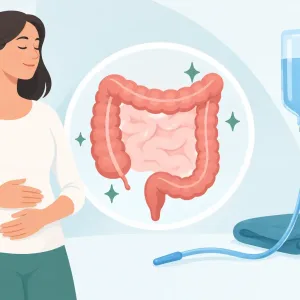
An enema introduces a relatively small amount of liquid into the rectum, the final section of the large bowel. It is designed to encourage evacuation of the lower bowel. Some enemas are prescribed or recommended before certain procedures, while others are bought over the counter for occasional constipation. A person may administer an enema at home, although correct use, hygiene and product choice still matter.
Colonic hydrotherapy, also known as colonic irrigation, is a practitioner-led treatment. Warm, purified water is introduced gently through a small, single-use rectal tube while the client rests comfortably on a treatment bed. The water is released in controlled cycles, allowing the bowel to empty through a closed system. A qualified therapist monitors comfort throughout and may use gentle abdominal massage where appropriate.
The practical distinction is therefore clear: an enema focuses on the rectum and lower bowel, while colonic hydrotherapy aims to support a more extensive bowel emptying process. That does not mean one is automatically better. The right choice depends on why you are considering treatment, your symptoms, and whether there are any reasons to avoid it.
What a professionally delivered colonic treatment involves
A reputable colonic hydrotherapy appointment should begin before any treatment takes place. Your therapist should ask about your health history, current symptoms, medications, surgery, bowel habits and relevant diagnoses. This consultation is not a formality. It helps identify whether treatment is appropriate and whether referral to a GP or specialist is the safer next step.
During treatment, water temperature and flow should be carefully regulated. The process is usually discreet and respectful, with the client covered and supported throughout. A therapist may encourage slow breathing and relaxation, as abdominal tension can make the experience less comfortable.
People often seek colonic hydrotherapy because they experience constipation, bloating, sluggish bowel habits or a sense of digestive heaviness. Some report feeling lighter or more comfortable afterwards. Individual responses vary considerably, and a responsible clinic will not promise that a treatment can cure chronic digestive disease, resolve unexplained pain, or treat conditions that need medical management.
At Willows Clinic, colonic irrigation is approached as a tailored therapeutic service, with client comfort, screening and experienced practitioner care at the centre of the appointment.
When an enema may be the more appropriate option
An enema is generally the more limited intervention. It may be appropriate when a clinician has advised bowel preparation, or for occasional short-term constipation in a person for whom it is safe. Because it acts locally, it may produce a bowel movement more quickly than dietary changes alone.
However, an enema is not a routine answer to ongoing constipation. Repeated use without professional advice can irritate the rectum, disrupt normal bowel habits, and in some cases contribute to dehydration or electrolyte imbalance. Stimulant laxatives and certain enema products can be particularly unsuitable for frequent use.
If you find that you regularly need an enema to open your bowels, the priority is to understand why. Constipation can be linked to low fluid intake, diet, reduced movement, stress, medication, pelvic floor dysfunction, hormonal changes, irritable bowel syndrome, or other health conditions. It deserves proper assessment rather than repeated self-treatment.
Safety considerations matter more than the method
Colonic hydrotherapy and enemas both involve the bowel, so neither should be treated casually. A trained practitioner will be clear about contraindications and will not proceed where the potential risk outweighs the benefit.
You should avoid colonic hydrotherapy and seek medical advice first if you have, or may have, any of the following:
- severe or unexplained abdominal pain, vomiting, fever, rectal bleeding, or a sudden change in bowel habit;
- inflammatory bowel disease that is active or poorly controlled, diverticulitis, a bowel obstruction, or a suspected bowel perforation;
- recent bowel surgery, significant haemorrhoids, anal fissures, or a known bowel tumour;
- serious kidney, heart or circulatory conditions, or you are pregnant and have not received appropriate clinical advice.
This is not an exhaustive list. Medication, previous surgery and individual medical history can all affect suitability. A qualified therapist should advise you honestly if treatment is not indicated.
It is also wise to be cautious with any provider who guarantees dramatic weight loss, claims to treat every illness through cleansing, or does not take a detailed consultation. Emptying the bowel may change the number on the scales temporarily, but it is not fat loss and should not be marketed as such.
Choosing based on your actual concern
For occasional lower-bowel constipation, an enema may be the simpler option when recommended by a pharmacist, GP or other appropriate clinician. It is short-term, localised and does not require a clinic appointment. That said, it is not necessarily the right choice for someone with recurrent symptoms or a complex digestive history.
For those looking for practitioner-led support, colonic hydrotherapy offers a more structured experience. The consultation, monitored water flow and opportunity to discuss bowel habits can be particularly valuable for clients who feel unsure about self-administered methods. It may also suit people who want treatment delivered in a hygienic, calm clinical environment rather than managing it alone at home.
There are also situations where neither is the right first move. New constipation after age 50, blood in the stool, unintentional weight loss, persistent diarrhoea, night-time symptoms, anaemia, or a family history of bowel cancer require medical evaluation. These signs should never be explained away as a need for a cleanse.
Supporting bowel regularity between treatments
Long-term digestive comfort is usually built through everyday habits, not frequent cleansing. Aim for regular meals, enough water, gradual increases in dietary fibre where tolerated, and movement that suits your body. A consistent toilet routine and allowing adequate time to go can also help.
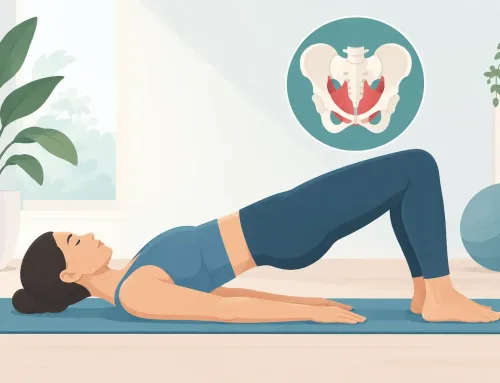
Some people with bloating or irritable bowel symptoms find that abruptly adding large amounts of fibre makes matters worse. This is where an individual approach matters. A GP, dietitian or suitably qualified practitioner can help identify whether food intolerances, medication, stress, pelvic floor tension or another factor may be affecting bowel function.
Colonic hydrotherapy should sit within that wider picture. It is a complementary therapy, not a replacement for diagnosis or conventional treatment where needed. The most responsible approach is one that respects both your wish to feel better and the signals your body may be giving you.
If you are deciding between a colonic and an enema, begin with the question behind the question: what is your bowel trying to tell you? A careful consultation can provide more useful direction than a quick cleanse ever could.