When exhaustion does not lift, brain fog lingers, and even small tasks leave you feeling drained, recovery can start to feel uncertain. For many people, the Perrin Technique for Long Covid offers a more structured, hands-on approach when rest alone has not been enough.
Long Covid is rarely a single symptom problem. People often describe a mix of fatigue, poor concentration, disturbed sleep, muscle heaviness, headaches, dizziness, breathlessness, and a sense that their body is simply not recovering properly. That complexity matters, because treatment needs to reflect it. A generic wellbeing approach is unlikely to be enough for someone dealing with ongoing post-viral symptoms that affect day-to-day life.
What is the Perrin Technique for Long Covid?
The Perrin Technique is a specialised manual therapy approach developed in the treatment of chronic fatigue-related conditions, including ME and CFS, and now used by some trained practitioners to support people with Long Covid. It is based on the view that dysfunction in the lymphatic drainage of the brain and spine may contribute to persistent symptoms such as fatigue, pain, fogginess, and poor recovery.
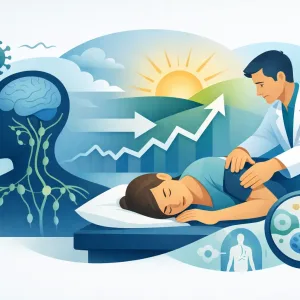
In practical terms, treatment involves gentle, hands-on techniques designed to support fluid movement, reduce congestion, and encourage better drainage through the lymphatic system. The method also looks at how the spine, chest, and surrounding tissues may be affecting that process. This is not a one-size-fits-all massage. It is a structured clinical approach that requires specific training and careful assessment.
For people with Long Covid, that distinction is important. Many are sensitive to overexertion, become worse after activity, or find that even minor treatment can trigger a setback if it is not handled correctly. A properly delivered treatment plan should take account of symptom severity, pacing needs, and how reactive the nervous system may be.
Why people consider Perrin Technique for Long Covid
Most people seeking this treatment have already tried the obvious basics. They may have rested, adjusted their diet, attempted gentle exercise, or explored various medical and complementary options. Sometimes those steps help. Sometimes progress remains frustratingly slow.
The appeal of the Perrin Technique for Long Covid lies in its focus on persistent post-viral dysfunction rather than surface symptom management alone. It aims to address patterns that may be contributing to ongoing fatigue, brain fog, pain, and poor resilience. For some clients, that makes it feel more relevant than general relaxation treatments or non-specific bodywork.
It can also be a good fit for those who want practitioner-led care. Long Covid often leaves people feeling as though they have to piece their own recovery plan together. A specialist treatment process, with assessment, monitoring, and a tailored approach, can provide much-needed clarity.
That said, expectations need to be realistic. No responsible practitioner should present this as a quick fix. Long Covid varies widely from person to person, and the rate of change can be gradual. Some people notice improvements in energy, sleep, or mental clarity over time. Others need a longer course of care before patterns begin to shift.
How treatment usually works
A proper course of treatment begins with assessment. The practitioner will look at your symptom picture, how long symptoms have been present, what aggravates them, and whether there are signs of post-exertional worsening, autonomic disturbance, muscular tension, or lymphatic congestion. The aim is to understand not just what symptoms you have, but how your system is coping overall.
Hands-on treatment itself is gentle and specific. Techniques may focus around the chest, spine, head, and related soft tissues to support drainage pathways and reduce restriction. The pressure used is generally light to moderate rather than forceful. This matters because many people with Long Covid do not tolerate intensive treatment well.
A home care element is often included too. That may involve a simple self-massage routine or supportive guidance intended to complement in-clinic work. The point is not to overload you with tasks. It is to reinforce treatment in a way that feels manageable.
Treatment is usually delivered as a course rather than a single session. That reflects the nature of Long Covid. If symptoms have been established for months, it is sensible to think in terms of careful progression rather than instant change.
What symptoms may improve?
People often ask whether this technique is mainly for fatigue. Fatigue is certainly one of the key reasons clients seek it out, but the symptom picture is often broader. Some people pursue treatment because of brain fog, headaches, dizziness, poor sleep, muscular aches, heaviness in the limbs, or a lingering sense of systemic overload.
Potential improvements may include better mental clarity, steadier energy, fewer headaches, reduced bodily tension, and improved sleep quality. Some clients also report that they feel less overwhelmed by day-to-day activity and more able to recover from normal demands.
However, progress is rarely perfectly linear. It is common to have better and worse periods during recovery. Symptom fluctuations do not necessarily mean treatment is not working, but they do need to be monitored carefully. The therapist should adjust the pace and intensity of care to match your tolerance.
Who is a suitable candidate?
This approach may suit adults whose Long Covid symptoms include persistent fatigue, cognitive fog, pain, sleep disturbance, or a pattern of poor recovery after physical or mental effort. It may be especially relevant where symptoms overlap with those seen in ME or CFS, as this is the area in which the technique is most established.
Suitability depends on the individual. Someone who is severely unwell, highly reactive, or dealing with multiple overlapping medical issues may need a very cautious plan. Equally, anyone with new or unexplained symptoms should be medically assessed first so that other causes are not missed.
The best outcomes usually come when care is joined up. Complementary therapy works most effectively when it sits within a broader understanding of your health, rather than trying to replace every other form of support.
Why specialist training matters
With Long Covid, good intentions are not enough. The condition can be unpredictable, and overstimulation can leave some people significantly worse. That is why practitioner training matters so much.
The Perrin Technique is not simply a set of strokes that can be copied from a general bodywork background. It requires knowledge of the method itself, an understanding of post-viral and fatigue-related conditions, and the clinical judgement to pace treatment appropriately. A therapist needs to know when to proceed, when to modify, and when a client needs to be referred elsewhere.
For a client, this should translate into confidence. You want to know that your treatment plan has a clear rationale, that your symptoms are being taken seriously, and that the person treating you understands the difference between helpful support and too much, too soon.
At a specialist clinic such as Willows Clinic, that level of care is central to how complex conditions are approached. The goal is not simply to provide a treatment session. It is to deliver a thoughtful therapeutic plan that fits the person in front of you.
What to expect from recovery
One of the hardest parts of Long Covid is uncertainty. People often want to know how many sessions they will need and when they will feel like themselves again. Honest treatment conversations should acknowledge that there is no single timeline.
Recovery depends on several factors, including how long you have been unwell, the severity of your symptoms, whether you experience post-exertional crashes, your overall resilience, and what other support you are receiving. Someone with mild but persistent symptoms may respond differently from someone whose daily function is severely limited.
The most useful way to view treatment is as part of a measured recovery process. The early goals may be small but meaningful – better sleep, less head pressure, fewer crashes, slightly clearer thinking, or a little more consistency in energy. Those changes can lay the groundwork for broader improvements over time.
That may sound modest, but with Long Covid, small gains matter. They often mean you can think more clearly, cope better with work or family life, and feel less trapped by your symptoms.
Is it right for everyone?
Not necessarily. Some people benefit from a manual therapy approach, while others may need to focus first on medical investigation, pacing, nutrition, nervous system regulation, or a different form of support altogether. The right plan depends on the whole picture.
What matters most is choosing care that is individual, properly assessed, and delivered with an understanding of chronic post-viral illness. Long Covid is too complex for blanket promises or generic treatment language.
If you are considering the Perrin Technique for Long Covid, look for a practitioner who can explain how the treatment works, how it will be tailored to your symptoms, and how progress will be reviewed over time. Feeling heard and carefully guided is not a luxury in this process – it is part of good care.
When recovery has stalled, the next step does not need to be dramatic. Sometimes it starts with a treatment approach that is calm, precise, and built around what your body can manage now.