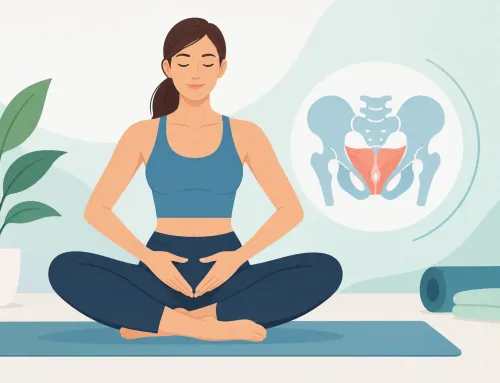
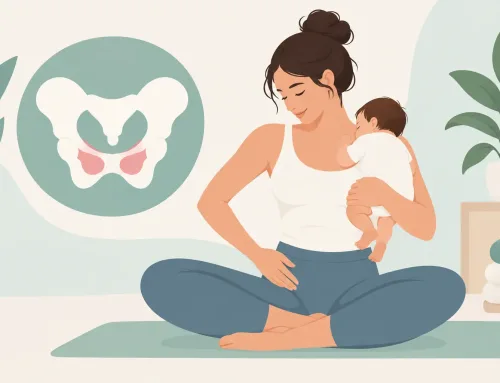
Trying to conceive can become surprisingly clinical, even when the goal is deeply personal. Ovulation tracking, appointments, test results and waiting can leave many people feeling as though their body is being observed rather than supported. That is often why acupuncture for fertility support appeals – not as a replacement for medical care, but as a structured complementary treatment that looks at regulation, resilience and the wider factors that can affect reproductive health.
For some, the focus is cycle irregularity or painful periods. For others, it is preparing for IVF, supporting egg quality, improving general wellbeing, or managing the stress that often builds over months or years of trying. The value of fertility acupuncture lies in its individual approach. Two people may share the same headline concern and still need very different treatment plans.
What acupuncture for fertility support is designed to do
Acupuncture for fertility support is typically used to help create better conditions for conception. In practice, that means looking at menstrual health, circulation, stress levels, sleep, digestion, pain, hormone balance and recovery. In a fertility-focused setting, treatment is not generic. It is timed and adapted around your cycle, your symptoms and, where relevant, your medical treatment plan.
From a traditional Chinese medicine perspective, acupuncture aims to restore balance in patterns that may be linked with delayed or difficult conception. From a modern complementary care perspective, many patients seek it to help regulate cycles, reduce pelvic tension, encourage relaxation and support overall wellbeing during a demanding time.
It is worth being clear about expectations. Acupuncture is not a guarantee of pregnancy, and a responsible practitioner should never present it that way. Fertility is complex. Age, ovarian reserve, sperm health, endometriosis, PCOS, thyroid function, tubal issues, uterine factors and unexplained infertility can all shape the picture. Good support takes these realities seriously.
How acupuncture may help fertility
One reason acupuncture remains popular in fertility care is that it addresses several moving parts at once. When periods are irregular, treatment may focus on supporting cycle regulation from one phase to the next. When periods are painful or heavy, the aim may be to reduce congestion and improve comfort. If stress is high, sessions may help calm the nervous system and improve sleep, which can matter more than many people realise.
There is also the practical issue of blood flow and tissue health. Many fertility acupuncturists work with treatment strategies intended to support circulation to the pelvic area and encourage a more settled internal environment. Patients often report that their cycles become more predictable, ovulation signs clearer, and premenstrual symptoms less disruptive after a course of treatment.
That does not mean the same protocol suits everyone. Someone with PCOS may need a different approach from someone with a short luteal phase or a history of recurrent miscarriage. Equally, a person preparing for embryo transfer has different needs from someone in the early stages of trying naturally. The detail matters.
Cycle support and symptom patterns
A healthy menstrual cycle gives useful information about reproductive health. Length, flow, pain, clotting, cervical mucus, basal body temperature patterns and PMS can all provide clues. Acupuncture treatment often uses these signs to shape care over time.
For example, care in the follicular phase may differ from care after ovulation. If there is marked anxiety before menstruation, treatment may focus on regulation and nervous system support. If fatigue, bloating or digestive symptoms are part of the picture, these may also be addressed, because fertility does not sit in isolation from the rest of the body.
Stress, the nervous system and fertility care
People are sometimes told to just relax, which is rarely helpful. Fertility-related stress is not a minor issue, and it cannot be switched off by good intentions. What supportive acupuncture can do is provide regular space for the body to come out of a heightened stress response. That may help with sleep, muscular tension, mood and the sense of being constantly braced for the next result.
This matters because fertility journeys are often cumulative. Even when stress is not the cause of infertility, it can still affect coping, recovery and quality of life. A treatment plan that acknowledges both the physical and emotional load is often more sustainable.
Acupuncture for fertility support alongside IVF
Many patients seek acupuncture for fertility support while undergoing assisted conception. In this context, the goal is usually to complement medical treatment, not compete with it. Sessions may be scheduled before stimulation, during a cycle, around egg collection, or close to embryo transfer, depending on clinical advice and the practitioner’s approach.
The main advantage of integrated care is that it can be responsive. If medication causes bloating, headaches, poor sleep or heightened anxiety, acupuncture may be used to help manage those symptoms. If a patient feels exhausted after repeated cycles, treatment may focus on recovery and steadiness before the next stage.
Again, there are trade-offs and limits. Timing matters, and fertility acupuncture should be delivered by someone who understands reproductive health and knows when a gentler or more specific treatment approach is needed. It should also sit comfortably alongside consultant-led care, with no suggestion that medical investigation can be bypassed.
What to expect from treatment
A proper fertility acupuncture appointment should begin with a detailed case history. That includes menstrual patterns, reproductive history, diagnosis, test results where available, medications, digestion, sleep, pain, energy, temperature tendencies and stress levels. If you are under a fertility clinic, that information should shape the treatment plan rather than be treated as background detail.
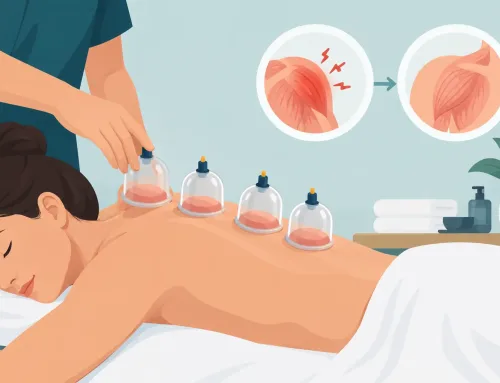
Treatment itself usually involves fine needles placed at carefully selected points on the body. Most people find it manageable and often deeply relaxing. Sessions are generally calm and quiet, with the emphasis on therapeutic effect rather than a spa experience.
Frequency depends on the reason for treatment. Some people attend weekly over several months, particularly if they are preparing for conception or trying to regulate a cycle. Others come at key points around assisted reproduction. A realistic plan should reflect your timeframe, symptoms and wider care pathway.
Why practitioner experience matters
Not all acupuncture is fertility acupuncture. When conception is the goal, experience matters because treatment decisions are more nuanced. A practitioner should be comfortable working with cycle timing, common fertility diagnoses, IVF scheduling and early pregnancy considerations. They should also know when symptoms suggest the need for further medical review.
This is especially important for patients who have had a long or difficult journey. If there has been recurrent loss, failed implantation, severe period pain, endometriosis, PCOS or significant hormonal disruption, generic wellness treatment is unlikely to be enough. You need someone who can build a tailored plan with clear therapeutic purpose.
At a specialist clinic such as Willows Clinic, fertility support may also be strengthened through complementary therapies used appropriately alongside acupuncture. In some cases, combining approaches can help patients feel more supported physically and emotionally, provided the treatment plan remains focused and clinically sensible.
Who may benefit most from acupuncture for fertility support
Acupuncture can be relevant at several points in a fertility journey. That includes people trying to conceive naturally, those with irregular or symptomatic cycles, patients preparing for IVF or IUI, and those looking for supportive care after months of stress and uncertainty.
It can also be valuable for people who do not have a clear diagnosis but know that their cycles are not settled, their sleep is poor, or their stress levels are affecting daily life. While acupuncture is not a cure-all, it can offer a more joined-up form of support than many patients receive elsewhere.
What matters most is matching treatment to the person in front of you. Fertility support should never feel formulaic. It should be thoughtful, well-timed and grounded in both experience and honesty.
If you are considering acupuncture, the most useful question is not whether it works in the abstract, but whether it is the right support for your body, your diagnosis and your current stage of treatment. When care is properly tailored, acupuncture can become a steadying part of the process – helping you feel better supported, better informed and less alone while you move forward.