When fatigue lingers for months after a Covid infection, it rarely behaves like ordinary tiredness. People describe waking unrefreshed, hitting a wall after simple tasks, and finding that even a short walk or a busy morning can trigger a setback. That is why interest in acupuncture for long covid fatigue has grown – not as a quick fix, but as part of a more careful, personalised approach to recovery.
Why long Covid fatigue needs a tailored approach
Long Covid fatigue is often more complex than low energy alone. It can come with sleep disturbance, brain fog, headaches, dizziness, pain, shortness of breath, palpitations, or a heightened stress response. For some people, the central issue is post-exertional worsening, where symptoms flare after physical or mental effort. For others, nervous system dysregulation, poor sleep, digestive upset, or ongoing inflammation seem to play a stronger part.
This matters because treatment has to fit the pattern in front of you. A one-size-fits-all wellness approach is rarely enough when someone is dealing with a condition that affects stamina, concentration, mood, and physical resilience all at once. The safest and most useful complementary care starts with listening carefully, identifying what is driving the fatigue, and adjusting treatment to the person rather than the label.
How acupuncture for long covid fatigue may help
Acupuncture is used in clinical practice to support regulation across several systems that are often affected in Long Covid. Depending on the individual, treatment may be aimed at improving sleep quality, easing tension and pain, calming an overactive stress response, supporting circulation, and helping the body move out of a prolonged state of strain.
For someone living with persistent fatigue, that can be significant. Better sleep does not solve Long Covid on its own, but poor sleep can intensify every other symptom. Likewise, if the nervous system is stuck in a cycle of over-alertness, it becomes harder to recover energy, manage exertion, and think clearly. Acupuncture is often valued because it can work on these overlapping factors together rather than addressing each one in isolation.
There is also the practical side of treatment. Many people with Long Covid are already managing multiple appointments, tests, and conflicting advice. Acupuncture sessions provide protected time to slow things down, monitor symptom patterns, and build a plan that respects the body’s current capacity. That structure can be as valuable as the treatment itself.
What a practitioner looks for before starting treatment
A skilled practitioner does not simply treat fatigue as if it were all the same. They will usually ask when symptoms began, whether there was a clear Covid infection, what makes symptoms worse, and whether exertion causes delayed crashes. They may also ask about sleep, digestion, stress levels, pain, temperature regulation, breathing, menstrual health, and previous recovery attempts.
This detailed picture helps shape treatment intensity and pacing. Someone who becomes significantly worse after overdoing things may need a gentler, slower start than a person whose main issue is residual tiredness with poor sleep. In complex cases, pushing too hard can be counterproductive, even with a supportive therapy.
That is why experienced complementary care should feel measured, not aggressive. The goal is to support recovery without adding another demand on an already depleted system.
Acupuncture is not about forcing energy
One common misunderstanding is that treatment should make you feel instantly energised. In reality, that is not always the right target. For people with Long Covid, the first signs of progress may be subtler – deeper sleep, fewer afternoon crashes, less wired-but-tired feeling, calmer breathing, or a more stable baseline across the week.
These changes matter because recovery is often built on improved regulation rather than sudden bursts of energy. If the body can settle, restore, and tolerate daily activity more consistently, stamina has a better chance to improve over time.
What treatment may look like in practice
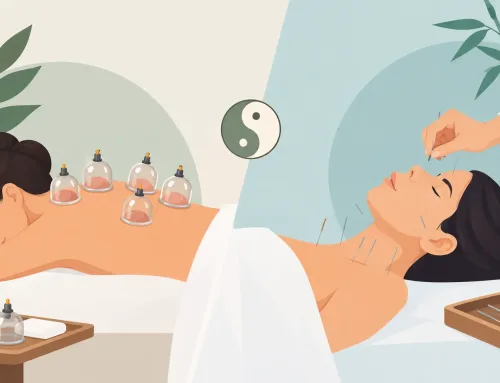
Acupuncture for long covid fatigue is usually delivered as a course rather than a single session. Early appointments may be closer together, then spaced out depending on response. Needles are typically placed in specific points chosen for the person’s presentation, and sessions are adjusted if symptoms are fluctuating.
The treatment room experience should be calm and paced appropriately. If someone is light-headed, sensitive, or prone to post-exertional crashes, the practitioner may keep the session shorter or modify positioning. This is especially important for clients who have become wary of treatments that leave them drained afterwards.
Some people notice benefit quickly, particularly where stress, sleep disruption, or muscular tension are prominent. Others progress more gradually. Long Covid is not linear, and neither is response to treatment. Good practitioners are honest about that.
When integrated care makes more sense
There are times when acupuncture works best as one part of a broader plan. If lymphatic congestion, pain, autonomic imbalance, or chronic fatigue patterns are also present, a more integrated approach may be appropriate. At Willows Clinic, this may include specialist hands-on therapies where clinically suitable, especially for people whose symptoms overlap with ME, CFS, fibromyalgia, or established Long Covid patterns.
That kind of joined-up care can be useful because persistent fatigue rarely sits alone. The more complex the symptom picture, the more valuable it is to work with practitioners who understand how these systems interact.
What the current evidence can and cannot say
People understandably want clear proof. The difficulty is that Long Covid covers a wide range of symptoms and severities, so research is still catching up. There is growing clinical interest in acupuncture as a supportive therapy for fatigue, pain, sleep disturbance, and nervous system regulation, but evidence specific to Long Covid is still developing.
That does not mean the therapy lacks value. It means expectations should be realistic. Acupuncture should not be presented as a cure for Long Covid, and reputable practitioners will not promise that. What it may offer is symptom support, improved resilience, and a better platform for day-to-day recovery.
The trade-off is that results vary. Someone with mild but persistent fatigue may respond differently from someone with severe post-viral exhaustion and marked post-exertional malaise. The more complex the case, the more important careful assessment becomes.
Who may benefit most from acupuncture for long covid fatigue
In practice, acupuncture may be worth considering for people whose fatigue is accompanied by poor sleep, stress sensitivity, muscular tension, headaches, low mood, digestive disruption, or a sense that their system never properly settles. It can also be helpful for those who want practitioner-led support that is gentle, structured, and personalised.
It may be less appropriate as a standalone option for someone with significant cardiac, respiratory, or neurological symptoms that have not yet been medically assessed. Complementary therapy should sit alongside proper medical oversight, not replace it. If symptoms are severe, changing, or concerning, a GP or specialist review remains essential.
Choosing the right practitioner
With Long Covid, experience matters. You are not simply looking for someone who offers acupuncture. You are looking for a practitioner who understands chronic fatigue patterns, knows how to pace treatment, and takes setbacks seriously.
Ask whether they have experience with Long Covid, ME, CFS, fibromyalgia, or post-viral fatigue. Notice whether they talk about tailored care or generic detox language. A good practitioner should be clear about what treatment may help with, where its limits are, and how they will adapt if you are sensitive or prone to crashes.
That clinical judgement is often what makes the difference between supportive care and an approach that is too much, too soon.
A sensible way to think about next steps
If you are considering acupuncture, it helps to start with one question: what would meaningful improvement look like for you? For some, it is being able to work a fuller week. For others, it is fewer setbacks, clearer thinking, or the ability to do school runs and household tasks without paying for it the next day.
That kind of clarity gives treatment a more useful focus. Instead of chasing a dramatic transformation, you and your practitioner can look for steady gains in function, recovery time, and symptom stability. With a condition as unpredictable as Long Covid, those smaller shifts are often the ones that rebuild confidence.
The most helpful care is not the most dramatic. It is the care that meets you where you are, respects the complexity of your symptoms, and supports recovery at a pace your body can actually sustain.