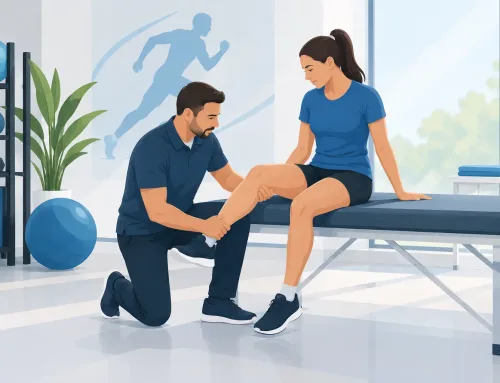
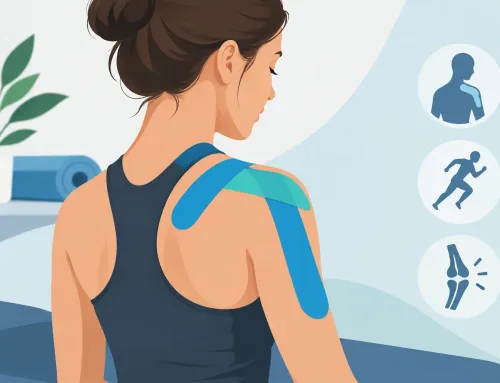
A calf strain that lingers for weeks, a shoulder that never quite settles after training, a hamstring that keeps tightening just as activity starts to feel normal again – these are the moments when sports acupuncture for injury recovery becomes worth serious consideration. For many active adults, the issue is not simply pain. It is the frustration of stalled progress, repeated flare-ups and uncertainty about when the body will feel reliable again.
Acupuncture is often associated with relaxation or general wellbeing, but in a clinical sports setting its role is far more specific. Used appropriately, it can help reduce pain, ease muscular guarding, improve local circulation and support the body through different stages of repair. That matters whether you are recovering from a recent strain, dealing with overuse from running or gym work, or trying to stop a minor problem turning into a long-term limitation.
How sports acupuncture for injury recovery works
Sports acupuncture is a targeted treatment approach used to support soft tissue recovery, joint function and pain reduction. It is not the same as simply placing needles for general balance. In practice, treatment is guided by the injury pattern, the tissues involved, your symptoms, activity level and the stage of healing.
From a physical recovery point of view, acupuncture may help in several ways. It can calm pain signalling, reduce excessive muscle tension around an injured area and encourage better blood flow to tissues that are healing. In some cases, it also helps restore more normal movement by reducing the protective tightening that often develops after injury. That protective response is useful in the first instance, but if it continues for too long it can delay progress.
For example, with a calf strain, the original tear is one issue. The secondary tightness through the surrounding muscle, altered walking pattern and fear of pushing off properly can become equally important. With a shoulder problem, the pain may start in one area, but the resulting restriction can spread into the neck, upper back and arm. Good treatment looks at the whole pattern, not just the sore spot.
What types of injuries can acupuncture help with?
Sports acupuncture is commonly used for muscle strains, tendon irritation, ligament sprains, repetitive stress problems and movement-related pain. This may include hamstring strains, calf injuries, Achilles pain, plantar fasciitis, tennis elbow, shoulder impingement, hip tightness, lower back pain linked to training, or knee discomfort related to overload.
That said, acupuncture is not a one-size-fits-all answer. Acute injuries with significant swelling, suspected fractures, complete tears or symptoms that suggest instability need proper assessment first. In some cases, acupuncture works best as part of a broader recovery plan alongside manual therapy, rehabilitation exercises, load management and rest. The goal is not to replace sensible sports medicine principles. It is to support them.
This is where a practitioner-led approach matters. An experienced therapist should identify whether the tissue is irritated, overloaded, weak, restricted or compensating for something nearby. Those distinctions affect where treatment is applied, how strong it should be and what advice accompanies it.
The difference between pain relief and proper recovery
One of the biggest misunderstandings around sports treatment is the idea that if pain settles, the injury is fixed. Often, it is not. Pain reduction is valuable because it allows the body to move more normally and can improve confidence, sleep and day-to-day function. But proper recovery also depends on tissue healing, gradual return to load and correcting the patterns that helped create the injury in the first place.
That is why sports acupuncture for injury recovery should be used with clear intent. In an early phase, the focus may be to settle pain and reduce protective muscle spasm. In a subacute phase, treatment may support mobility and help tissues tolerate rehabilitation work. Later on, it may be used to deal with persistent tightness, residual pain or areas that are overworking because movement mechanics have changed.
If you are returning to running, lifting, tennis or regular training, this staged thinking is especially useful. The treatment you need in week one is not necessarily the treatment you need in week five.
What a session usually involves
A proper sports acupuncture appointment should begin with an assessment rather than straight-to-treatment needling. Your practitioner should ask how the injury happened, what movements aggravate it, how long it has been present, whether the pain is improving or worsening, and what training or daily activities you are trying to return to.
They may then examine movement, muscle tone, tenderness, compensatory patterns and range of motion. This helps identify whether the primary issue is local tissue irritation, deeper muscular dysfunction, restricted movement elsewhere or a mix of all three.
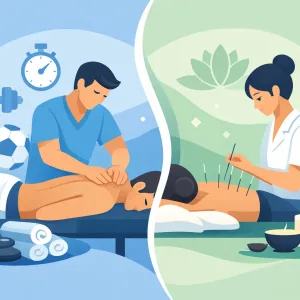
Treatment itself may involve needling local points near the injury, distal points that affect the wider movement chain, or trigger points within tight muscle bands. Sometimes the needles are left in place for a short period. In other cases, the practitioner may use a more active technique to release tension and improve response in stubborn tissue.
Most people describe the sensation as mild, though some areas can feel heavy, achy or twitchy for a moment. After treatment, the area may feel looser, calmer or slightly fatigued. Depending on the injury, some soreness for 24 hours is possible, especially when treating deeper muscular restriction.
When acupuncture can be especially useful
Acupuncture can be particularly helpful when pain and muscle guarding are preventing progress. This is common in recurrent injuries, where the tissue may no longer be acutely damaged but still does not feel normal under load. It can also help when a person is stuck between resting too much and returning too quickly.
Another common scenario is overuse. Runners, gym-goers, golfers and recreational athletes often develop injuries gradually rather than through one clear incident. Tendons become irritated, calves remain permanently tight, hips stop moving freely, or the lower back begins compensating. In these cases, the problem is often less about a dramatic tear and more about accumulated strain. Acupuncture can help reduce the physical tension around these patterns, making it easier for the body to respond to corrective treatment.
This is also why many people seek treatment before an injury becomes severe. A persistent niggle that affects movement quality is easier to address than a full stop caused by compensation and overload.
What results should you realistically expect?
The honest answer is that it depends on the type of injury, how long it has been present, how active you are and whether there are underlying biomechanical issues. Some clients notice meaningful relief after one or two sessions, particularly if the main issue is muscular tightness or protective spasm. Others need a short course of treatment, especially if the problem is longstanding or tied to repeated overload.
Acupuncture is rarely about a dramatic instant fix. Its value often lies in moving recovery forwards when the body feels stuck. That may mean less pain on stairs, improved shoulder range, easier return to walking, or being able to train without the same post-session flare-up. Small changes can be clinically significant if they allow steady progress.
It is also worth saying that not every injury responds equally. Fresh muscle strains and tension-dominant problems may improve more quickly than chronic tendon pain or complex injuries involving several joints and movement compensations. A good practitioner should be clear with you about that from the outset.
Why practitioner experience matters
With sports injuries, precision matters. Needling a general area is not the same as understanding tissue behaviour, training demands and recovery timelines. You want someone who can assess what is driving the problem, adapt treatment to the healing stage and recognise when acupuncture should sit alongside other therapies.
At a clinic such as Willows Clinic, that therapeutic thinking is part of the value. Recovery is not treated as a generic wellness goal but as a structured process with clear aims: reduce pain, improve movement, support tissue repair and help clients return to normal activity with more confidence.
That level of care is particularly important if you have been dealing with repeated setbacks. Recurrent injury often has more than one cause. Tissue sensitivity, poor load tolerance, movement restriction and stress in surrounding muscles can all play a part. A tailored treatment plan is far more useful than a standard protocol.
Is sports acupuncture right for you?
If you are active, dealing with a strain, overuse problem or persistent muscular restriction, and you want a hands-on, practitioner-led treatment that supports recovery rather than masking symptoms, it may be a strong option. It is especially worth considering if progress has plateaued or if pain is changing the way you move.
The right time to seek support is usually earlier than people think. Many wait until a manageable problem becomes a limiting one. Addressing pain, tension and compensation sooner can make recovery more straightforward and may reduce the risk of the issue becoming chronic.
A body recovering well should gradually feel more capable, not more guarded. When treatment helps restore that direction of travel, it can make a real difference – not only to pain levels, but to confidence in movement again.