A calf that will not release on a run, shoulders that feel restricted after strength training, or a back that tightens after long hours in the saddle can interrupt more than one session. They can change how you move, compensate for the affected area and make a familiar activity feel uncomfortable. Cupping for sports recovery is a hands-on complementary treatment that some active people use to address local muscular tension and support a more comfortable return to movement.
At Willows Clinic, cupping is never treated as a shortcut or a substitute for a proper assessment. The value lies in applying it thoughtfully, at the right time in your recovery, and alongside the practical habits that protect long-term performance.
What is cupping therapy?
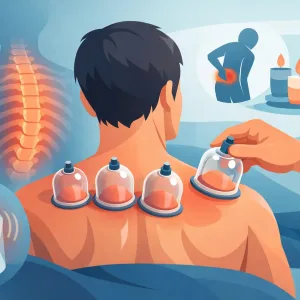
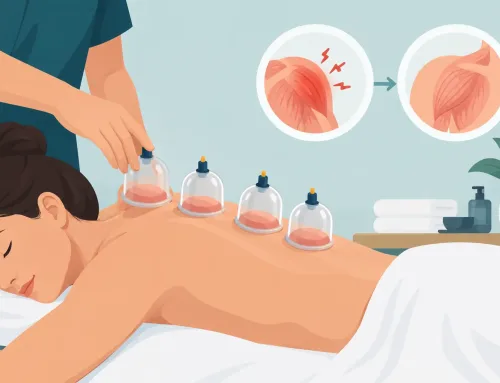
Cupping therapy uses specially designed cups placed on the skin to create gentle suction. Rather than compressing tissues as massage does, the suction lifts the skin and superficial soft tissues. This can create a strong pulling sensation, followed by a feeling of release or warmth in the area.
For sports recovery, dry cupping is generally used over areas that feel tight, overworked or restricted, such as the upper back, shoulders, hips, thighs and calves. Cups may remain still for a short period or be moved carefully across lubricated skin. A practitioner will select the method, pressure and treatment area according to your symptoms, activity and health history.
The circular marks often associated with cupping are not bruises caused by impact. They are a temporary skin response to suction and can range from light pink to deeper purple-red. Their appearance varies considerably between people and may last for several days. Marks are not an indicator that treatment has been more effective.
How cupping for sports recovery may support you
Training places repeated demand on muscles, connective tissue and the nervous system. Recovery is not simply about removing soreness. It is about giving the body sufficient time, nutrition, sleep, appropriate loading and support to adapt. Cupping may have a useful place within that wider picture for people experiencing local tightness or a sense of restricted movement.
Many clients choose cupping when a particular area feels dense, guarded or difficult to stretch comfortably. The treatment can provide a different sensory input to hands-on massage, and some people find it helps them feel freer in a joint or more at ease when moving afterwards. It may be especially appealing where direct pressure on a sore area feels too uncomfortable.
That said, results are individual. Some people notice an immediate change in how a muscle feels; others experience a more gradual benefit over several sessions, particularly when cupping is paired with guided mobility work, sensible training adjustments or sports massage. It is not designed to override pain signals or make an injury safe to train through.
Common reasons active adults seek treatment
Cupping may be considered for muscular tightness after repetitive training, postural tension around the shoulders and upper back, stiffness around the hips or legs, and a general sense that movement is not as fluid as usual. It can also be used as part of a recovery plan after a demanding event, provided there is no acute injury or medical reason to avoid treatment.
For a runner, that might mean working around calves and hamstrings that repeatedly feel loaded. For someone who lifts weights, it may involve the chest, upper back or shoulders where training and desk posture combine. For cyclists, the focus may be on the hips, thighs and lower back. The treatment plan should reflect the person in front of the practitioner, not the sport alone.
What the evidence and experience tell us
Cupping has a long history in traditional therapeutic systems and is widely used in modern complementary practice. Research into cupping for sports performance and recovery is still developing. Studies have suggested possible short-term benefits for pain and range of movement in certain musculoskeletal presentations, but the quality and consistency of evidence varies.
This matters because honest care means avoiding exaggerated promises. Cupping should not be presented as a cure for tendon tears, stress fractures, significant ligament injuries or persistent pain with an unclear cause. Nor is there good reason to assume that darker marks mean toxins have been removed or that treatment has repaired damaged tissue.
Its practical role is more measured. For the right person, it may reduce the feeling of tightness, support relaxation in an overworked area and make movement-based rehabilitation feel more manageable. When a client feels more comfortable moving, it can be easier to return to the progressive exercises and training choices that build resilience.
What happens during a cupping appointment?
Your appointment should begin with a discussion about your concern, your sport or activity, recent training load, relevant injuries and any health conditions or medication. This helps the practitioner decide whether cupping is appropriate and, if it is, which areas and techniques are suitable.
The skin is assessed before cups are applied. You may feel a firm suction sensation, but treatment should remain tolerable. Speak up if there is sharp pain, pinching, numbness or discomfort that feels wrong. Cupping is adaptable: less suction, shorter application times or an alternative treatment approach may be more appropriate.
Afterwards, the area can feel warm, loose or temporarily tender. The skin may carry marks, so it is sensible to consider timing before an event, a holiday or an occasion where you would prefer not to have visible circles on your back or legs. Most people can return to normal daily activity, although a hard training session immediately afterwards is not always the best choice.
Aftercare that supports recovery
Hydration, regular meals and a good night’s sleep are sensible after any recovery-focused treatment. Gentle walking or easy mobility may feel beneficial, while high-intensity training should be guided by how your body responds and the nature of the issue being treated.
Avoid aggressively stretching a painful area simply because it feels looser after treatment. A temporary improvement in sensation is useful, but it is not a reason to jump straight back into maximal loading. If your practitioner has suggested exercises or a modified training plan, following that advice is usually more valuable than adding extra intensity.
When cupping is not the right first step
A sudden injury with swelling, severe pain, loss of function, an obvious deformity or an inability to bear weight needs medical assessment. The same applies to chest pain, unexplained shortness of breath, neurological symptoms, fever or symptoms that continue to worsen.
Cupping may also be unsuitable over broken or irritated skin, an active skin infection, an acute inflammation, a suspected blood clot or certain vascular conditions. People taking blood-thinning medication, those with bleeding disorders, significant varicose veins, reduced sensation, cancer-related health concerns or a history of fainting should discuss their circumstances before treatment. Pregnancy, particularly where treatment is being considered around the abdomen or lower back, requires an appropriately adapted approach.
A responsible practitioner will screen for these factors rather than applying a standard treatment. If your symptoms indicate that physiotherapy, GP review, imaging or another clinical pathway is needed, cupping should not delay that care.
Making cupping part of a sensible sports recovery plan
The best recovery plans are specific. A recreational runner preparing for a race has different needs from a parent returning to exercise after time away, or a gym-goer whose shoulder discomfort has been building for months. The questions are not only where it hurts, but when it started, what aggravates it, what has changed in training and what outcome matters most.
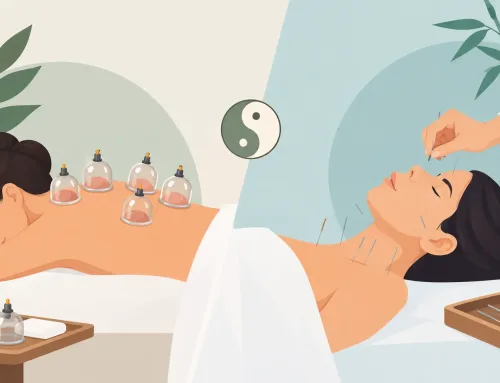
Cupping may sit alongside sports massage, acupuncture, mobility work or a gradual return-to-training strategy where appropriate. The combination depends on your presentation. Someone with broad muscular tension may benefit from hands-on treatment and movement guidance, while a recurring focal pain may need more careful assessment before any complementary therapy is used.
The aim is not to chase a feeling of being completely pain-free after every session. It is to improve comfort and confidence in movement while addressing the patterns that keep bringing the problem back. If you are considering cupping for sports recovery, choose practitioner-led care that looks beyond the visible mark and towards a recovery plan that makes sense for your body and your goals.