Back pain rarely stays in one part of your life. It changes how you sit at work, how you sleep, how confidently you exercise, and even how patient you feel by the end of the day. That is why cupping therapy for back pain appeals to so many people – not as a trend, but as a hands-on treatment that aims to reduce tension, improve movement, and support recovery when the back feels persistently tight, sore, or restricted.
For some clients, the problem is muscular overuse after sport or physical work. For others, it is a more stubborn pattern of postural strain, desk-related tension, or ongoing discomfort that has not fully settled with rest alone. Cupping can be a useful part of a treatment plan, but the real value lies in understanding when it is appropriate, what it can realistically do, and how it should be applied by an experienced practitioner.
How cupping therapy for back pain works
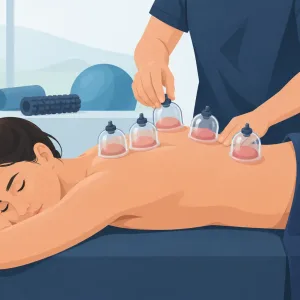
Cupping therapy uses specially designed cups placed on the skin to create suction. That suction gently lifts the superficial tissues rather than pressing down into them, which gives it a very different effect from standard massage. On the back, this can help release tight fascia, ease muscular holding, and encourage local circulation in areas that feel congested or restricted.
From a practical point of view, many people describe the sensation as a strong pulling or stretching feeling. It is usually noticeable but should not feel alarming or uncontrolled. Depending on the presentation, cups may be left in place for a short period or moved across the skin in a gliding technique. Both approaches are used with a clear therapeutic purpose.
When the back is tight and overloaded, tissues often stop moving well together. Muscles may feel knotted, the area can become tender, and simple movements such as bending or turning may feel more effortful than they should. Cupping is often used to reduce that sense of local restriction, giving the tissues a chance to soften and respond.
What cupping can help with
Cupping is not a cure-all, and it should never be presented as one. It can, however, be helpful for several common back pain patterns, particularly when muscular tension is a major part of the picture.
It is often used for upper back and shoulder girdle tightness, especially in people who spend long hours sitting, driving, or working at a computer. It may also support people with mid-back stiffness, lower back muscular tension, and sports-related overuse where the soft tissues feel heavy, tight, or slow to recover.
Some clients seek treatment after noticing recurring flare-ups rather than one dramatic injury. In that setting, cupping may help calm an irritated area and improve comfort, especially when combined with wider hands-on care and sensible advice on recovery. Where pain is linked to stress-related muscular holding, it can also have a settling effect on the nervous system.
That said, results depend on the cause of the pain. If symptoms are coming from a disc issue, nerve irritation, inflammatory condition, or a more complex structural problem, cupping may still have a supportive role, but it is unlikely to be the whole answer. Back pain is not one diagnosis. Good treatment starts with distinguishing muscular tension from something that needs a different level of assessment.
Who may benefit most from cupping therapy for back pain
The people who tend to respond best are those with clear soft tissue involvement. That includes active adults with training-related tightness, people recovering from muscular strain, and clients whose posture and work habits have contributed to chronic tension across the back and shoulders.
It may also suit those who feel that conventional massage is helpful but does not quite address the deeper pulling or restriction they notice in the tissues. Because cupping lifts rather than compresses, it can be particularly useful when the area feels dense, stuck, or guarded.
For clients with persistent pain, a personalised approach matters more than choosing one therapy in isolation. A skilled practitioner will consider how long the pain has been present, what aggravates it, whether movement is limited, and whether there are any signs that point away from routine muscular tension. That is especially important if there is pain travelling into the leg or arm, numbness, marked weakness, unexplained inflammation, or symptoms that keep worsening.
What to expect during treatment
A professional cupping session for back pain should begin with questions, not cups. Your practitioner should ask about your symptoms, medical history, activity levels, recent injuries, and any diagnosis you may already have. They should also explain whether cupping is suitable for you, where it will be applied, and what sort of response is expected afterwards.
During treatment, the cups are placed on selected areas of the back. Sometimes the aim is to release a very localised area of tightness. In other cases, the practitioner may work along broader muscular chains to improve tissue glide and reduce tension across the full back. The intensity can be adjusted, and treatment should be responsive rather than routine.
It is common to have temporary circular marks afterwards. These are not bruises in the typical sense, but they can look dramatic if you are not expecting them. They usually fade over several days, though timing varies from person to person. Mild tenderness can also occur after treatment, much like after deep tissue work.
Many clients feel looser straight away. Others notice the change more clearly the following day, when movement feels easier and the back less guarded. If the area is very irritated to begin with, your practitioner may choose a gentler first session rather than an aggressive approach.
When cupping is useful – and when it is not enough
This is where honesty matters. Cupping can be effective for easing muscular tension and improving local mobility, but it is not a substitute for proper clinical judgement.
If your back pain is mild to moderate, clearly linked to soft tissue tension, and not accompanied by worrying symptoms, cupping may be a very reasonable option. It can be particularly valuable when used as part of a broader recovery plan that includes manual therapy, movement advice, pacing, and attention to the factors that caused the problem in the first place.
If, however, your pain is severe, persistent, or associated with nerve symptoms, unexplained weight loss, fever, trauma, or altered bladder or bowel function, you need medical assessment first. The same applies if pain is waking you constantly at night or progressing rapidly. Complementary therapy works best when it is used responsibly and in the right clinical context.
Why practitioner experience matters
Cupping may look simple from the outside, but effective treatment depends on much more than placing cups on a painful area. The choice of technique, level of suction, treatment duration, and whether to combine it with other therapies all affect the outcome.
A qualified practitioner will adapt the session to the tissue quality, pain pattern, and sensitivity of the client in front of them. That matters because the wrong intensity can aggravate an already reactive back, while an overly generic treatment may do very little at all.
In a clinic setting, cupping is often most effective when it forms part of a tailored treatment plan rather than a one-off fix. Some clients need occasional sessions for maintenance. Others benefit from a short course to settle an active problem and restore easier movement. At Willows Clinic, that tailored approach is central to how hands-on therapies are delivered – with treatment choices based on the client’s presentation rather than a standard routine.
Can cupping be combined with other therapies?
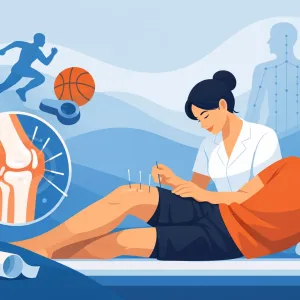
Often, yes. For back pain, cupping may sit well alongside massage, acupuncture, reflexology-focused relaxation support, or other practitioner-led treatments depending on the person’s symptoms and wider health picture. In some cases, combining approaches helps address both the local pain and the underlying stress, tension, or recovery load contributing to it.
That does not mean more is always better. Sometimes the most effective plan is a simple one with clear goals: reduce pain, improve movement, and help the tissues settle. At other times, particularly with long-standing or recurring issues, a broader integrated plan makes more sense.
Is cupping therapy for back pain worth trying?
If your back pain feels muscular, tight, and resistant to stretching or standard massage alone, cupping may be well worth considering. It offers a different mechanical effect, and for the right person that can make a meaningful difference to comfort and mobility.
The key is not whether cupping is fashionable or widely discussed. The key is whether your pain has been assessed properly and whether the treatment is being used with a clear therapeutic aim. Back pain responds best to care that is specific, measured, and guided by experience.
If you are considering cupping, look for a practitioner who takes the time to understand the pattern behind your pain, not just the place where it hurts. That is often where lasting progress begins.