When hormones feel off, the effects rarely stay neatly in one area of life. Sleep becomes lighter, periods can become more difficult to manage, stress feels harder to shake, and energy may dip at the exact time you need it most. That is why reflexology for hormonal balance is often sought by people who want a calmer, more supported body rather than another short-term fix.
At a clinical level, reflexology is not presented as a cure for hormonal conditions, nor should it replace medical care where investigation or treatment is needed. What it can offer is a structured complementary therapy that aims to support the body’s regulatory systems, reduce stress load and encourage a better sense of internal balance. For many clients, that matters because hormones are highly responsive to stress, sleep disruption, nervous system overload and ongoing physical strain.
How reflexology for hormonal balance is thought to work
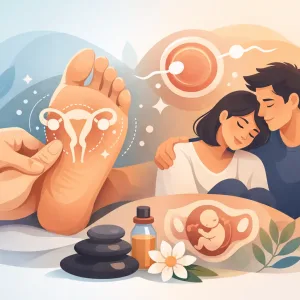
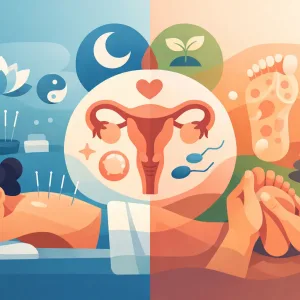
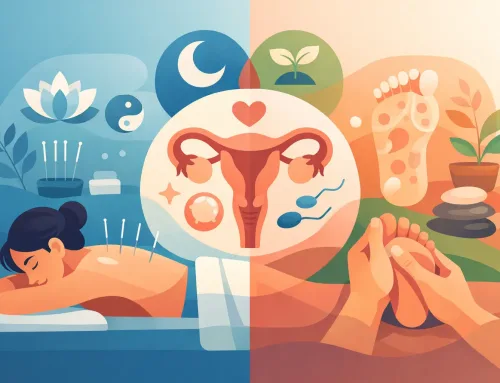
Reflexology involves applying precise pressure to mapped points on the feet, and sometimes the hands, that correspond with different areas and systems of the body. In practice, treatment is about far more than a foot massage. A trained reflexologist assesses areas of tension or sensitivity and works in a methodical way to encourage relaxation and support overall function.
When people talk about hormonal balance, they are usually referring to a wider network rather than one isolated gland. The endocrine system includes the hypothalamus, pituitary, thyroid, adrenals, pancreas and reproductive organs, and these all interact. If stress levels stay high, sleep is poor and the nervous system is stuck in a constant state of alert, the body may struggle to regulate itself efficiently. Reflexology is valued because it can help shift the body into a calmer state, which may indirectly support hormone-related wellbeing.
This is where nuance matters. Reflexology does not force hormones into line. It supports conditions in which the body may regulate more effectively. That distinction is important, particularly for clients dealing with complex symptoms, fertility concerns or changes linked to peri-menopause and menopause.
Who may benefit from hormonal support reflexology
Hormonal symptoms look different from person to person. One client may be dealing with irregular cycles and PMS, while another is experiencing sleep disruption, anxiety, hot flushes or post-pill cycle changes. Some are focused on fertility support and want to prepare their body in a measured, supportive way. Others simply know that stress is aggravating everything.
Reflexology may be worth considering if you are experiencing menstrual tension, cycle irregularity, mood changes around your period, stress-related fatigue, sleep disturbance, peri-menopausal symptoms or the emotional strain that often accompanies fertility journeys. It can also be helpful for those who feel generally run down and suspect their nervous system is under more pressure than their body is coping with well.
That said, suitability always depends on the bigger picture. New symptoms, severe pain, sudden changes in bleeding, unexplained weight changes or signs of thyroid dysfunction should be medically assessed. Complementary therapy works best when it is used responsibly and in the right context.
Common reasons clients seek reflexology for hormonal balance
For women trying to conceive, hormonal health often becomes a central concern. Stress alone does not explain every fertility difficulty, but persistent stress can affect sleep, digestion, cycle awareness and general resilience. Reflexology is often chosen as part of broader fertility support because it offers dedicated time for the body to settle, alongside a treatment plan tailored to the individual.
For those in peri-menopause or menopause, the picture is often more layered. Symptoms may include poor sleep, temperature changes, headaches, low mood, anxiety, brain fog and a sense of feeling unlike yourself. Reflexology can be a supportive option here because treatment is gentle, non-invasive and centred on overall regulation rather than chasing one symptom at a time.
Younger clients may seek support for painful or erratic cycles, PMS or the after-effects of prolonged stress. In these cases, the goal is rarely a dramatic overnight change. More often, it is about helping the body become less reactive and more settled over time.
What happens in a treatment
A professional reflexology appointment should begin with a thorough consultation. This is especially important where hormones are concerned, because symptom patterns matter. Your practitioner may ask about cycle history, sleep, stress, digestion, medication, diagnosed conditions, fertility plans and any recent changes in health. That information helps shape a treatment approach that is safe and relevant.
During the session, you remain clothed apart from shoes and socks, and treatment is usually carried out on a therapy couch or reclining chair. Pressure is applied to specific reflex points on the feet in a deliberate sequence. Some areas may feel more tender than others, although reflexology should not feel harsh. Most clients report deep relaxation during treatment, and some notice that they sleep better afterwards or feel more emotionally settled.
Results vary. A single session may leave you feeling calmer, but persistent hormonal symptoms usually need a more consistent approach. In a clinic setting, this often means planning a course of treatment and reviewing how symptoms respond over several weeks.
Why stress reduction matters so much
One of the strongest reasons reflexology is used in hormone-related care is its effect on stress and relaxation. Hormonal health is closely tied to the nervous system. When the body is constantly dealing with pressure, whether emotional, physical or both, restorative functions often become less efficient.
This does not mean stress is the sole cause of hormonal symptoms. It does mean that reducing stress may help remove one of the factors that keeps the system under strain. Better sleep, improved calm and a greater sense of regulation can have a noticeable effect on how manageable symptoms feel, even where an underlying condition remains present.
For clients who have been pushing through fatigue, anxiety or long-term pressure, that shift can be significant. Sometimes the first meaningful change is not a perfect cycle or the disappearance of hot flushes. It is the return of deeper rest, steadier energy and the feeling that the body is no longer constantly braced.
Reflexology and fertility support
Fertility care is one area where a tailored approach matters most. People trying to conceive are often managing not only cycle timing and hormonal questions, but also a high emotional load. Reflexology can sit well within a broader complementary support plan because it creates space for the body to relax while also addressing overall wellbeing.
This is not a promise of pregnancy, and it should never be framed that way. Fertility is complex and can involve male factors, structural issues, age-related changes, ovulation concerns and other medical considerations. However, reflexology may support the process by helping to reduce stress, support sleep and create a stronger sense of physical and emotional steadiness.
In a specialist setting such as Willows Clinic, reflexology may also be considered alongside other complementary therapies where appropriate. That joined-up thinking can be useful for clients who want more than a one-size-fits-all wellness treatment.
Choosing the right practitioner
Because hormonal symptoms can overlap with thyroid issues, reproductive conditions, chronic fatigue, digestive problems and stress-related burnout, experience matters. A well-trained practitioner will not overstate what reflexology can do. They will take a proper case history, recognise when referral or medical follow-up is needed, and tailor treatment to the person in front of them.
This is particularly important if you are undergoing fertility treatment, managing endometriosis, living with PCOS, recovering after birth or navigating menopause alongside other health concerns. Safe complementary care should feel structured, informed and realistic.
You should also expect clear communication about likely timeframes. Hormonal patterns do not usually change overnight, and treatment response can depend on sleep, diet, stress exposure, medication, cycle stage and underlying diagnosis. Honest practitioners make space for those variables rather than promising a universal result.
What to expect afterwards
After reflexology, some clients feel deeply relaxed straight away. Others notice gradual changes over the next day or two, such as better sleep, lighter mood or a quieter mind. In some cases, symptom tracking can be useful, especially if you are attending for cycle support, fertility preparation or menopause-related concerns.
Progress is often best measured in patterns rather than isolated moments. Are you sleeping more deeply? Do you feel less tense before your period? Is your cycle becoming easier to manage? Are you coping better emotionally? These are often the changes that signal treatment is having value.
If you are considering reflexology for hormonal balance, the most helpful approach is a balanced one. Seek proper medical assessment where needed, choose an experienced practitioner, and view treatment as part of wider support for the nervous system and endocrine system rather than a magic answer. For many people, that is exactly what makes it worthwhile – gentle, personalised care that helps the body find steadier ground.