When people start searching for fertility acupuncture success stories, they are rarely looking for light reading. More often, they want reassurance after months or years of trying, a failed IVF cycle, an unexplained diagnosis, or the growing sense that their body needs more support than it is currently getting. The stories can be hopeful, but they are most useful when read with clear expectations and proper clinical context.
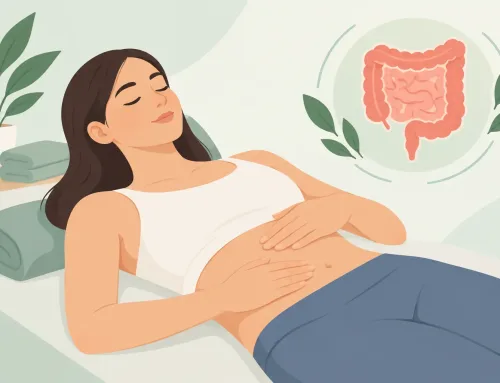
At a specialist clinic, fertility acupuncture is not approached as a miracle fix. It is used as a structured, supportive therapy that may help regulate cycles, improve blood flow to the reproductive organs, reduce stress-related disruption, and support the body through natural conception or assisted fertility treatment. That distinction matters, because the most meaningful success stories are rarely about one single appointment changing everything. They are usually about a well-timed, tailored plan that supported wider fertility care.
What fertility acupuncture success stories really tell us
The strongest fertility acupuncture success stories tend to have one thing in common – they describe progress, not just a positive test. For one person, success may mean finally ovulating regularly after months of irregular cycles. For another, it may mean a calmer nervous system during IVF, improved endometrial lining, fewer symptoms around the menstrual cycle, or a viable pregnancy after previous losses.
This is important because fertility is rarely a simple pass-or-fail issue. Many factors can influence outcomes, including age, hormone balance, sperm health, ovarian reserve, cycle regularity, stress levels, underlying conditions such as PCOS or endometriosis, and the timing of treatment. Acupuncture can play a supportive role within that bigger picture, but it does not erase every fertility barrier.
Success stories are encouraging because they show what is possible. They are not useful when presented as guarantees. A reputable practitioner will never promise pregnancy within a fixed number of sessions, because no responsible fertility care works that way.
Why some stories stand out more than others
Stories about fertility treatment tend to travel by word of mouth because the process can feel lonely. When someone hears that another woman conceived after acupuncture alongside IVF, or after a period of unexplained infertility, it can create a sense of possibility that clinical statistics often fail to offer.
But the stories that matter most are the ones with detail. A vague claim that acupuncture “worked” says very little. A more credible account explains the person’s starting point, whether they were trying naturally or with assisted conception, how long treatment continued, and what changes were noticed along the way.
For example, a woman with irregular cycles may begin treatment and, over several months, notice better cycle consistency, reduced PMS, clearer ovulation patterns, and improved sleep. If conception follows, the story is not simply about luck. It suggests that the body responded to a broader programme of support. Likewise, someone going through IVF may report feeling less anxious, sleeping better, and tolerating medication more steadily while receiving acupuncture before and during treatment. That is clinically relevant, even before pregnancy is confirmed.
Fertility acupuncture success stories and IVF support
One of the most common reasons people seek acupuncture is to support IVF or IUI. In these cases, success stories often centre on feeling better prepared physically and emotionally for treatment. Fertility treatment can be demanding, and many patients value having an additional layer of care that is calming, consistent, and tailored to their cycle stage.
Acupuncture is often used before ovarian stimulation, around egg collection, before and after embryo transfer, and during the wait that follows. The aim is not to replace medical fertility treatment, but to support the body through it. Some patients seek help because they have had a cancelled cycle, poor response, thin lining, implantation concerns, or repeated disappointment.
Not every IVF-related success story ends in pregnancy immediately. Sometimes the first result is a better response in a subsequent cycle, a stronger sense of control, or improved recovery between rounds. Those outcomes still matter. They can form part of the path towards pregnancy, especially when treatment is adapted carefully rather than repeated mechanically.
Natural conception stories tend to be more complex
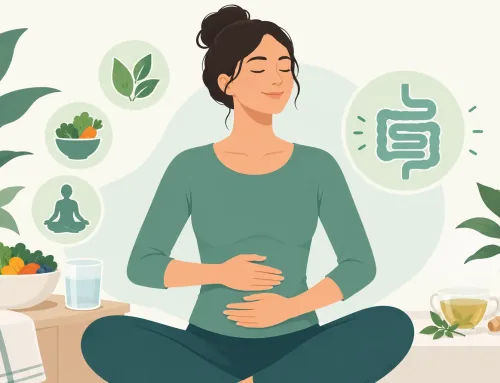
When pregnancy happens naturally after acupuncture, people understandably want a simple explanation. The reality is usually more layered. Many natural conception success stories involve patients who were not just having acupuncture, but also making changes to nutrition, stress management, sleep, and cycle tracking. In some cases, their partner was also receiving support.
That does not make the result any less significant. It simply reflects how fertility works in real life. The body responds to cumulative changes. Acupuncture may help by supporting hormone regulation, circulation, relaxation, and overall physiological balance, but the best outcomes are often seen when treatment is integrated into a thoughtful plan.
This is where experienced practitioners make a difference. Fertility support should not be generic. A patient with PCOS needs a different approach from someone with endometriosis, recurrent miscarriage, or unexplained infertility. The right treatment plan depends on medical history, menstrual patterns, temperature signs, digestive health, sleep, pain, emotional stress, and whether assisted reproduction is involved.
What can influence outcomes
It is natural to compare your situation with other fertility acupuncture success stories, but comparison can quickly become misleading. Two people of the same age may have very different fertility pictures. One may be dealing with mild cycle irregularity, while another may have diminished ovarian reserve, male factor infertility, or a history of failed implantation.
Timing matters too. Starting acupuncture early, before IVF begins or while trying to regulate a cycle, often gives more scope for supportive change than starting after years of strain and multiple failed rounds. Frequency also matters. One occasional session may be relaxing, but it is unlikely to deliver the same level of support as a properly planned course of treatment aligned with the menstrual cycle or fertility protocol.
Then there is the stress factor. Stress does not “cause” infertility in the simplistic way it is sometimes portrayed, and patients should never be blamed for feeling anxious. But prolonged stress can affect sleep, digestion, hormone signalling, and overall resilience. Many patients report that acupuncture gives them a steadier foundation during a difficult time, which is valuable in itself.
How to read success stories sensibly
If you are looking at fertility acupuncture success stories as part of your decision-making, the key is to read them as indicators, not promises. Ask yourself what exactly improved in each case. Was the person trying naturally or having IVF? Did they have a known diagnosis? How long were they in treatment? Were they supported by an experienced fertility practitioner or receiving general acupuncture without a fertility focus?
These questions help separate hopeful marketing from realistic care. A trustworthy clinic will be positive without overstating what acupuncture can do. It will recognise that fertility treatment requires skill, timing, and honest conversations about when acupuncture is likely to be supportive and when medical investigation remains essential.
At Willows Clinic, that specialist approach is central to fertility care. Patients are not pushed into one-size-fits-all treatment. They are supported with tailored plans designed around their cycle, medical history, and reproductive goals, often alongside other complementary therapies where appropriate.
When acupuncture may be worth considering
Fertility acupuncture may be worth exploring if you have irregular or painful periods, unexplained infertility, PCOS, high stress levels, a history of miscarriage, or you are preparing for IVF or IUI. It can also be useful if you feel your current care covers the medical process but not the wider physical and emotional strain that comes with it.
That said, acupuncture is not a substitute for fertility testing. If you have been trying to conceive without success, especially if you are over 35 or have known reproductive concerns, proper assessment is important. The most effective complementary care works alongside good clinical investigation, not instead of it.
A more grounded way to think about success
The most honest fertility acupuncture success stories are not flashy. They describe a process where the patient felt seen, the treatment plan made sense, and meaningful changes happened over time. Sometimes that ends in pregnancy quickly. Sometimes it takes longer. Sometimes success looks like better cycles, improved wellbeing, or being stronger and more prepared for assisted treatment.
That may sound less dramatic than the miracle stories people often search for, but it is far more useful. Fertility support works best when it is steady, individual, and grounded in the reality of your health rather than someone else’s timeline.
If you are considering acupuncture, look for experienced practitioners who understand fertility properly and who will speak to you with clarity rather than hype. Hope matters, but it is most helpful when it rests on careful treatment and realistic expectations.