Pelvic pain that becomes heavier after standing, worsens towards the end of the day, or lingers after pregnancy deserves a proper explanation. The best treatments for pelvic congestion depend on whether enlarged pelvic veins are genuinely driving the pain, how severe symptoms are, and whether there are other contributing factors such as endometriosis, fibroids, bowel concerns or pelvic floor tension.
Pelvic congestion syndrome is not simply ‘period pain’ or a condition to tolerate. It is a recognised cause of chronic pelvic pain, usually affecting women of reproductive age, where blood pools in dilated veins around the ovaries and pelvis. A careful medical assessment is the starting point, followed by a treatment plan that may combine vascular care, symptom management and supportive therapies.
Understanding pelvic congestion syndrome
Veins contain valves that help blood return to the heart. When valves in the ovarian or pelvic veins become weakened, blood can flow backwards and collect in the veins. This may cause the veins to stretch and create a dull, aching or dragging sensation in the lower abdomen and pelvis.
Symptoms vary considerably. Some people have visible varicose veins around the vulva, buttocks or upper thighs, while others have no outward signs at all. Common patterns include pain that is worse after prolonged standing or sitting, during or after intercourse, in the days before a period, and after pregnancy. Lower back ache, a feeling of pelvic pressure, urinary frequency and fatigue can also be part of the picture.
These symptoms overlap with many other conditions. That is why self-diagnosis is unhelpful and why pelvic congestion should be investigated by a GP, gynaecologist or vascular specialist with experience in chronic pelvic pain.
The best treatments for pelvic congestion start with diagnosis
A pelvic examination and discussion of your symptom history are essential. Your clinician may arrange a pelvic ultrasound, often with Doppler imaging to assess blood flow. In some cases, MRI, CT imaging or venography is used to obtain a clearer view of the pelvic veins and to rule out other causes of pain.
Imaging results need to be interpreted alongside your symptoms. Enlarged pelvic veins can be present without causing pain, so treatment should not be based on a scan alone. Equally, a normal initial ultrasound does not always settle the question if your history strongly suggests venous pelvic pain.
If pain is sudden, severe or accompanied by fever, vomiting, fainting, unexpected bleeding, chest pain or shortness of breath, seek urgent medical care. New pelvic pain in pregnancy also requires prompt medical advice.
Medical and interventional treatment options
For confirmed pelvic congestion syndrome, treatment usually progresses according to symptom severity, your medical history and plans for future pregnancy. There is no single best option for every person.
Pain relief and symptom management
Simple pain relief, including anti-inflammatory medication where medically appropriate, may help reduce discomfort on difficult days. Some people are offered hormonal treatment to reduce ovarian hormone activity and the blood flow associated with the menstrual cycle. Options can include certain contraceptive pills, progestogen treatments or, less commonly, stronger hormone-suppressing medicines.
Hormonal treatment can be useful, particularly when symptoms fluctuate with the cycle, but it is not suitable for everyone. Side effects, contraception needs, migraine history, clotting risk, bone health and fertility plans all need to be considered with a prescribing clinician. For many people, medication manages symptoms rather than correcting the underlying venous reflux.
Pelvic vein embolisation
For persistent pain linked clearly to incompetent pelvic veins, pelvic vein embolisation is often the main minimally invasive treatment. An interventional radiologist inserts a fine catheter through a vein, usually in the neck or groin, and uses coils, plugs or a sealing agent to close the affected veins. Blood is then redirected through healthier veins.
The procedure is commonly carried out with local anaesthetic and sedation rather than open surgery. Most people go home on the same day or after a short observation period. Cramping or pelvic ache can occur for several days afterwards, and it may take weeks or a few months to judge the full effect on symptoms.
Embolisation avoids major abdominal surgery and can provide substantial relief for appropriately selected patients. However, results are not guaranteed. Pain may have more than one cause, additional veins can sometimes require treatment, and every procedure carries risks such as bruising, infection, contrast reaction or coil-related complications. A consultation with an experienced interventional radiologist should cover expected benefits, alternatives and follow-up in your individual case.
Surgery in selected cases
Surgery is now less commonly used because embolisation is less invasive. In particular circumstances, a specialist may discuss surgical tying of the ovarian veins or other gynaecological surgery if a separate condition requires treatment. Hysterectomy is not a routine solution for pelvic congestion alone and should never be viewed as a first-line answer without a full specialist discussion.
Supportive care for comfort, mobility and pelvic health
Even when vascular treatment is being considered, chronic pelvic pain benefits from broader support. Ongoing discomfort can lead to guarded movement, shallow breathing, poor sleep, anxiety around activity or intimacy, and increased pelvic floor muscle tension. These issues can amplify pain even though they did not cause the enlarged veins.
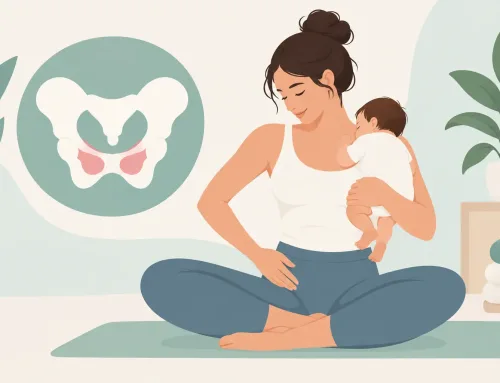
Pelvic health physiotherapy can help assess the pelvic floor, abdominal wall, posture and movement patterns. The aim is not simply to strengthen the pelvic floor. Some people with pelvic pain need to learn how to relax an overactive pelvic floor, improve breathing mechanics and build confidence with gradual activity. A tailored programme is more appropriate than generic pelvic floor exercises.
Gentle, regular movement can also support circulation and reduce stiffness. Short walks, swimming, pacing activity through the day and avoiding long periods in one position may be more manageable than intense exercise during a flare. If standing aggravates symptoms, planned movement breaks and resting with the legs elevated can offer practical relief.
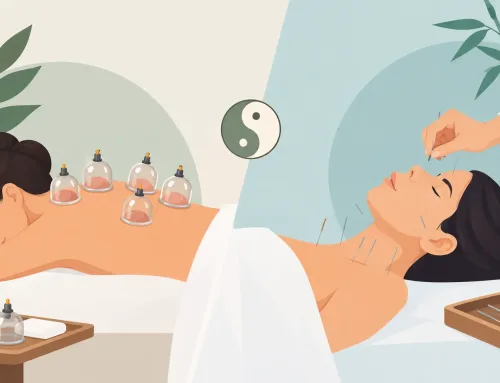
Complementary therapies may support wellbeing alongside medical care, particularly where stress, muscular tension, fatigue or digestive discomfort are adding to the burden of persistent pain. At Willows Clinic, practitioner-led approaches such as acupuncture, abdominal massage and carefully tailored reflexology may be considered as supportive care after appropriate medical assessment. They should not be presented as a replacement for vascular investigation or embolisation where this is indicated.
Everyday measures that may ease symptoms
Small changes rarely resolve pelvic vein reflux on their own, but they can make daily life more comfortable. Hydration, regular meals and fibre intake may reduce constipation and straining, which can increase pelvic pressure. Compression garments designed for pelvic or vulval varicosities may help some people, especially during pregnancy or long periods on their feet, although fit and suitability should be discussed with a clinician.
Keep a brief symptom record for several weeks. Note pain level, location, menstrual timing, time spent standing or sitting, exercise, bowel changes and any pain after intercourse. This gives your medical team useful information and makes it easier to see whether treatment is helping.
Choosing the right care pathway
If pelvic congestion is suspected, begin with a GP or gynaecology appointment and ask whether referral for pelvic vascular assessment is appropriate. Where imaging confirms refluxing pelvic veins and symptoms remain disruptive, an interventional radiology opinion can clarify whether embolisation is likely to help.
At the same time, do not overlook other contributors to pain. A good plan may involve a gynaecologist, interventional radiologist, pelvic health physiotherapist and complementary practitioner working within clear boundaries. This joined-up approach is particularly valuable after pregnancy, where pelvic floor recovery, abdominal changes and vein-related symptoms may coexist.
You do not need to minimise ongoing pelvic pain or accept it as an inevitable part of womanhood. With a clear diagnosis and care matched to your symptoms, it is possible to move from coping day to day towards feeling safer, more comfortable and more in control of your body.