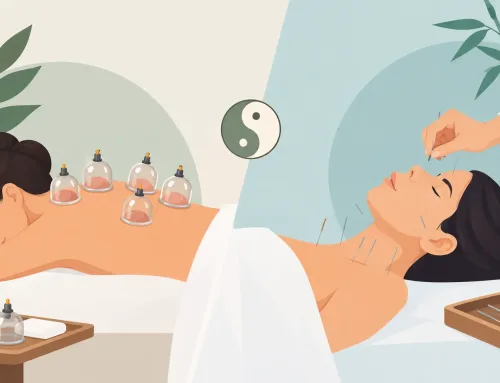
A shoulder that never quite drops, calves that feel shortened after training, or a low back that stiffens after a day at a desk can all make movement feel harder than it should. Understanding how cupping therapy reduces muscle tightness can help you decide whether it may be a useful part of your recovery plan. Cupping is a hands-on complementary therapy that uses gentle suction to lift the skin and superficial tissues, rather than pressing down into them as massage does.
For many people, this different direction of pressure brings welcome relief where an area feels congested, restricted or persistently tense. It is not a replacement for medical assessment where pain is severe, unexplained or accompanied by weakness, numbness or swelling. Used appropriately, however, cupping can support movement, comfort and recovery alongside a tailored programme of care.
How cupping therapy reduces muscle tightness
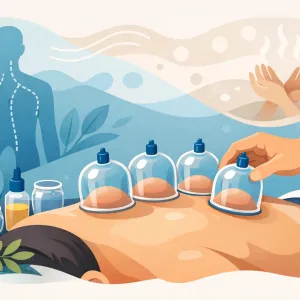
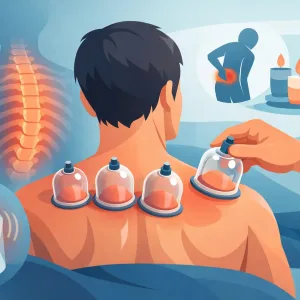
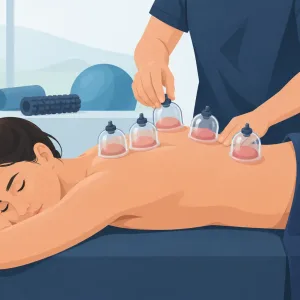
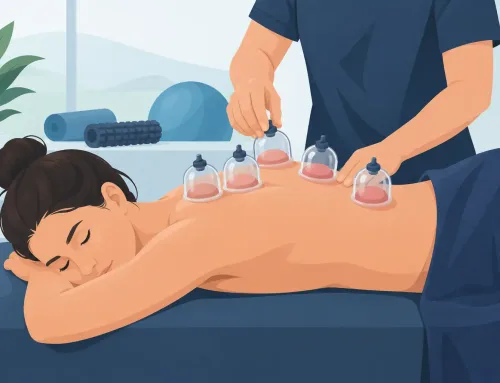
A cup creates negative pressure against the skin. Depending on the technique and the area being treated, the therapist may leave the cup in place briefly or glide it over the body with a suitable oil. This suction gently draws the skin, connective tissue and the more superficial layers of muscle upwards.
Muscle tightness is not always a muscle simply being too short. It may reflect overuse, repetitive posture, a previous injury, protective guarding after pain, reduced movement, or a nervous system that has become sensitive to a particular area. Cupping does not correct every cause, but it can be particularly helpful when tissue feels bound down or when ordinary massage pressure feels too intense.
The lifting effect may encourage local circulation and fluid exchange in the treated tissues. Increased blood flow can support the delivery of oxygen and nutrients while the body clears normal metabolic by-products of activity. Clients often describe the area as warmer, lighter or easier to move shortly after treatment.
Cupping can also influence the fascia, the connective tissue that surrounds and links muscles, nerves and other structures. Fascia needs to glide smoothly as we move. When a region has been repeatedly loaded, held in one position or protected after injury, that glide can feel reduced. Gentle decompression may improve the sense of ease between tissue layers, which is one reason cupping is commonly used for the upper back, shoulders, hips, thighs and calves.
A change in sensation can change movement
Tightness is partly physical and partly neurological. The brain constantly receives information from the skin, joints and muscles, then adjusts muscle tone to keep us safe. Where an area has been painful or overworked, the nervous system may maintain a higher level of guarding than is useful.
The sensory input from cupping can interrupt that familiar pattern. Rather than forcing a tight muscle to release, a carefully delivered treatment gives the body a new, non-threatening signal. This may reduce the feeling of restriction and make it easier to move through a fuller range. That window of improved movement is valuable, particularly when followed by appropriate mobility work, rehabilitation exercises or changes to daily activity.
Results vary. Some clients feel a noticeable improvement after one session, especially following strenuous exercise or a short period of muscle overload. Long-standing tension connected with desk work, recurrent sports injuries, altered pelvic mechanics or chronic pain usually responds better to a series of treatments combined with an individualised plan.
Why cupping feels different from deep massage
Deep massage and cupping can both be useful, but they work through different sensations. Massage generally compresses tissue towards the body. Cupping lifts tissue away from underlying structures. For a very sore or reactive muscle, that lift can feel more comfortable than firm downward pressure.
This does not mean that stronger suction is better. Too much pressure can be uncomfortable and can leave significant marks without adding therapeutic value. A skilled practitioner adjusts the cup size, suction level, placement and duration according to your sensitivity, skin condition, health history and treatment goal.
When cupping may be helpful for tight muscles
Cupping is often used as part of physical recovery for people with restricted shoulders, neck tension, tight upper backs, hip discomfort, heavy legs after training, calf tightness and postural strain. It can be a useful option for active adults returning to activity after an injury, provided the injury has been properly assessed and the treatment is appropriate for the stage of healing.
It may also support people whose muscle tension is linked to stress and poor sleep. When the body spends prolonged periods in a heightened state of alert, jaw, neck, shoulder and lower-back tension can become a familiar pattern. In this setting, cupping is best viewed as one part of a broader approach that may include gentle movement, restorative sleep, hydration, stress support and other hands-on therapies.
For clients managing persistent conditions such as fibromyalgia, fatigue-related illness or long Covid, treatment needs particular care. A very gentle approach, shorter sessions and close attention to post-treatment response are often more appropriate than intensive work. The goal is not to push the body through discomfort, but to support comfort and function without causing a flare-up.
What to expect during and after a session
Your appointment should begin with a consultation. A practitioner needs to understand where you feel tightness, what aggravates or relieves it, your activity levels, previous injuries, medications and relevant health conditions. This ensures the treatment is focused and safe rather than a standard routine.
During treatment, you may feel a pulling, stretching or warming sensation. Moving cups can create a strong but often satisfying feeling across the skin. You should not need to tolerate sharp pain. Tell your therapist promptly if the sensation is too intense, if you feel unwell or if a position is uncomfortable.
Circular marks are a normal possible effect of cupping. They are not bruises caused by blunt trauma, although they can look similar. The marks reflect local changes in the tiny blood vessels near the skin surface and usually fade over several days, sometimes longer depending on your skin and the intensity of treatment. They are not a measure of how effective the session was.
Afterwards, drink water, keep the area warm and avoid very strenuous training if it feels tender. Gentle walking and comfortable mobility work can help you make use of the improved movement. Some people feel relaxed and slightly tired following treatment; others feel energised. If symptoms worsen substantially or do not settle, contact your practitioner or seek medical advice.
When cupping is not the right choice
Cupping is not suitable over broken skin, active infection, sunburn, a new wound, areas of impaired sensation or certain skin conditions. It may need to be avoided or modified during pregnancy, over varicose veins, in people with bleeding disorders, or for those taking anticoagulant medication. Recent surgery, cancer treatment, fever, unexplained pain and significant swelling also require professional guidance before treatment.
A responsible therapist will not treat around red flags simply because a client requests relief. Sudden weakness, loss of bladder or bowel control, chest pain, a hot swollen calf, severe headache, unexplained weight loss or pain after serious trauma need urgent medical assessment. Complementary therapy works best when it sits within sensible, joined-up care.
Getting longer-lasting relief from tightness
The benefit of cupping often lasts longer when it is paired with the reason the muscle became tight in the first place. A runner with recurring calf tension may need a review of training load, footwear, ankle mobility and recovery. Someone with upper-back tension may benefit from adjusting workstation height, taking regular movement breaks and strengthening the muscles that support posture.
At Willows Clinic, cupping can be considered within a personalised hands-on treatment plan, rather than offered as a one-size-fits-all fix. Depending on your symptoms, this may include sports injury support, acupuncture, therapeutic massage or guided advice on pacing and recovery. The most suitable combination depends on your body, your health history and what you need to return to.
If tightness is limiting your sleep, exercise, work or confidence in movement, start with a proper consultation. A careful assessment can identify whether cupping is likely to help, how gently it should be applied and what practical steps may keep your body moving more comfortably between sessions.