Persistent muscle tightness does not always respond to stretching, rest or a standard massage. For some people, particularly those managing recurring tension, restricted movement or a demanding recovery programme, cupping can offer a useful hands-on addition to their care. This guide to cupping therapy explains what the treatment involves, what it may help with and how to approach it safely.
Cupping is a complementary therapy, not a substitute for medical diagnosis or treatment. It is most effective when it is selected for a clear reason, delivered by an experienced practitioner and reviewed as part of a personalised plan.
What is cupping therapy?
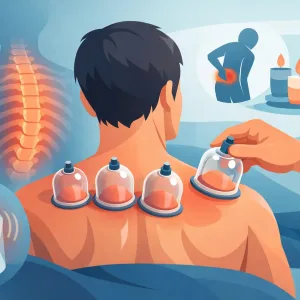
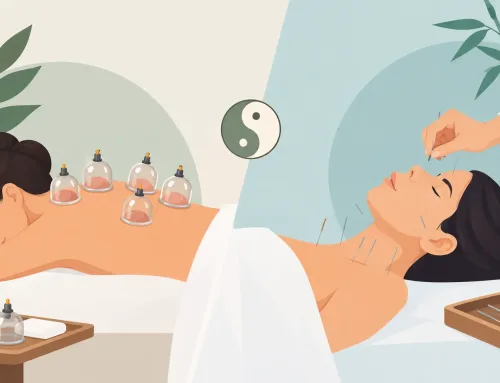
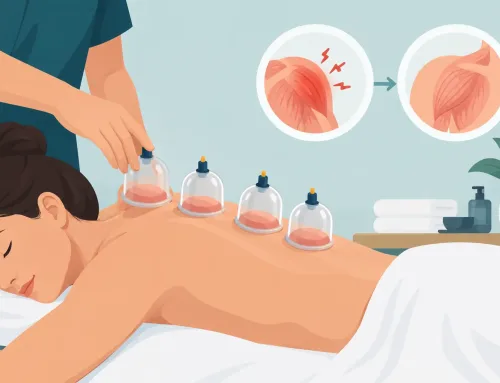
Cupping therapy uses smooth cups to create suction on the skin. Depending on the method used, the practitioner may create this suction with a hand pump or gentle heat. The negative pressure draws the skin and superficial tissues upwards into the cup, rather than pressing down as massage does.
This difference is one reason cupping can feel particularly helpful in areas that are very tight or tender. The cups may remain in one position for several minutes, or the practitioner may move them slowly across the skin with oil. A session can also combine static and moving cups with massage, acupuncture or other appropriate hands-on techniques.
The aim is usually to encourage local circulation, ease muscular tension and support freer movement in areas that feel restricted. Some clients describe a strong pulling sensation initially, followed by warmth, lightness or reduced tightness in the treated area.
A guide to cupping therapy benefits and realistic expectations
Cupping is commonly used to support muscular recovery, stiffness and discomfort around the back, shoulders, neck, hips and legs. Active clients may choose it after intense training or when a particular muscle group feels overworked. It can also be considered for people whose posture, desk-based work or stress patterns contribute to ongoing tension.
The response varies. Some people notice easier movement after one appointment, while others need a course of treatment alongside movement advice, rest and other therapies. If pain is persistent, severe, unexplained or accompanied by weakness, numbness, fever or swelling, it should be assessed medically rather than treated as simple muscle tension.
Research into cupping is still developing. There is evidence that it may offer short-term relief for certain musculoskeletal pain conditions, but results are not identical for every person or every condition. It should not be presented as a cure for complex health concerns. A responsible practitioner will discuss your symptoms, medical history and goals before deciding whether it is suitable.
Why the marks appear
The circular marks associated with cupping are not bruises in the usual sense. Suction brings blood towards the surface of the skin and can leave temporary red, purple or darker discolouration. Their appearance depends on the pressure used, the area treated, your skin tone and individual circulation.
Marks are usually painless or only mildly tender, and commonly fade over several days to two weeks. Darker marks do not prove that an area is more “toxic”, more damaged or that the treatment has worked better. They are simply a normal possible response to suction. Your practitioner can adjust the intensity if you are concerned about marking or have an event, holiday or work situation where visible marks would be inconvenient.
What happens during a cupping appointment?
A well-conducted appointment begins with a consultation. Your practitioner should ask about your main concern, recent injuries, medication, current health conditions and any changes since previous treatment. This helps establish whether cupping is appropriate and which areas, pressure and technique should be used.
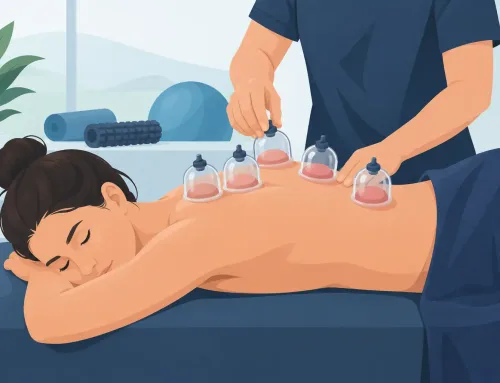
You will be positioned comfortably, with only the treatment area exposed. Oil may be applied if moving cups are planned. The practitioner places the cups, checks that the pressure feels tolerable and monitors your response throughout. Cupping should feel purposeful, but it should not feel sharply painful.
Treatment time depends on the approach and the wider plan for the session. Static cups are often left in place for a short period, while moving cupping may be used more briefly as part of soft-tissue work. Afterwards, your practitioner will explain what you may feel over the next day or two and whether a further appointment would be useful.
At Willows Clinic, treatment plans are led by qualified practitioners and tailored to the person in front of them. This matters when symptoms have more than one cause, such as training strain combined with poor sleep, stress-related tension or a longer-standing physical restriction.
Who may benefit from cupping?
Cupping may be considered for adults experiencing muscular tightness, restricted mobility, sports-related recovery needs or recurring areas of tension. It can be particularly useful when a client finds deep pressure uncomfortable, because suction works through a different mechanical approach.
It may also complement a broader physical recovery plan. For example, a runner with tight calves and hip restriction may benefit from cupping alongside appropriate massage, mobility work and guidance on training load. Someone with shoulder tension from desk work may need a combination of local treatment and practical changes to their working posture and movement habits.
The best choice depends on the cause of the symptoms. Cupping is not automatically the right treatment for every ache, and it is rarely the whole answer when pain is driven by an untreated injury, inflammatory condition or significant biomechanical issue.
When cupping may not be suitable
Cupping should be avoided over broken skin, rashes, burns, active infections, varicose veins or areas with reduced sensation. It may not be appropriate for people with certain bleeding disorders, those taking anticoagulant medication, or anyone with a history of significant skin fragility.
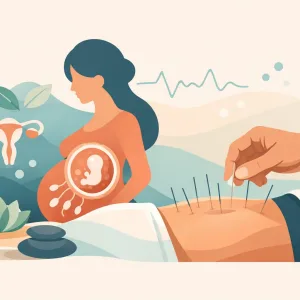
Pregnancy, cancer treatment, cardiovascular conditions and complex medical histories do not always rule out treatment, but they require careful individual assessment. Never assume that a therapy is safe simply because it is natural or commonly used. Share all relevant health information, including medication and recent procedures, so your practitioner can make a safe decision.
For this reason, professional dry cupping is different from trying a kit at home. Poor technique can cause unnecessary pain, blistering or skin injury. Wet cupping, which involves breaking the skin, carries additional infection and bleeding risks and should only ever be considered within appropriately regulated clinical practice. It is not part of a standard wellness cupping appointment.
How to prepare and care for yourself afterwards
Arrive well hydrated and avoid booking immediately after a heavy meal or strenuous workout where possible. Wear clothing that allows easy access to the area being treated. If you have a special occasion coming up, mention it so the practitioner can discuss whether marks are likely and where they may appear.
After treatment, gentle movement, water and adequate rest are usually sensible. You may feel relaxed, mildly tender or temporarily tired. Avoid intense exercise, very hot baths and vigorous scrubbing over treated areas until your skin has settled. If you develop severe pain, blistering, dizziness, signs of infection or a reaction that concerns you, seek medical advice promptly.
A thoughtful cupping treatment should leave you with more than a set of circular marks. It should give you a clearer understanding of what your body is responding to, what support may help next and whether this therapy has a useful place in your longer-term recovery.