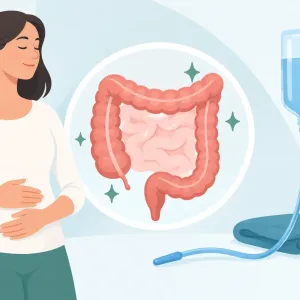
Bloating can make a normal day feel unnecessarily hard work. When your abdomen feels tight, swollen or uncomfortable after meals, or you are dealing with sluggish bowels and that heavy, congested feeling, it is natural to look for relief that goes beyond short-term fixes. For some people, colonic irrigation for bloating can be a useful part of a wider digestive support plan, but it works best when it is approached professionally and for the right reasons.
When bloating is more than a passing discomfort
Not all bloating is the same. Some people experience occasional fullness after eating too quickly or after a particularly rich meal. Others live with regular abdominal distension, trapped wind, constipation, irregular bowel habits or discomfort that seems to return week after week.
That difference matters. If bloating is persistent, it is worth looking at the bigger picture rather than treating it as a minor nuisance. Digestive symptoms can be linked to constipation, stress, dietary triggers, hormonal changes, low fluid intake, lack of movement, or a gut that simply is not functioning as efficiently as it should. In some cases, there may also be an underlying medical issue that needs proper assessment.
This is why a careful, practitioner-led approach is so important. A treatment may help, but the real value comes from understanding why the bloating is happening in the first place.
What is colonic irrigation?
Colonic irrigation, sometimes called colon hydrotherapy, is a treatment designed to gently cleanse the large bowel using warm filtered water. It is carried out by a trained therapist in a controlled clinical setting, with the aim of supporting bowel evacuation and helping the digestive system feel less sluggish or congested.
For clients who feel weighed down by constipation, incomplete bowel movements or recurring abdominal fullness, the treatment can bring a sense of physical relief. It is not intended as a cure-all, and it should never be presented as one. Instead, it is best understood as one therapeutic option that may support digestive comfort in suitable cases.
At a reputable clinic, treatment starts with a proper consultation. This allows the therapist to discuss symptoms, health history, current medications, bowel habits and any red flags that may mean the treatment is not appropriate.
How colonic irrigation for bloating may help
Bloating often has more than one cause, so results can vary from person to person. That said, colonic irrigation for bloating may be helpful when the discomfort is linked to sluggish elimination, constipation, or a build-up of gas and waste in the bowel.
When the bowel is not emptying effectively, pressure can build in the abdomen. This can leave you feeling swollen, uncomfortable and heavy, sometimes even when you have not eaten very much. By encouraging the release of retained waste and trapped gas, colonic irrigation may reduce that sense of congestion and create more comfort through the abdomen.
Some clients also report feeling lighter afterwards, with less pressure and a noticeable reduction in abdominal distension. For those who regularly feel uncomfortable in clothing around the waist, or who notice that bloating worsens alongside constipation, that can be a meaningful result.
However, there is an important distinction to make. If bloating is being driven by food intolerances, irritable bowel patterns, hormonal fluctuations, stress-related digestive dysfunction or a medical condition, treatment may help with symptoms but may not address the root cause on its own. That is where a broader treatment plan becomes far more valuable than relying on one therapy in isolation.
Who may be a good candidate?
The people most likely to consider this treatment are those dealing with constipation, irregular bowel movements, abdominal heaviness or repeated episodes of bloating that seem connected to poor elimination. It may also appeal to those who already have a good awareness of their digestive health and are looking for structured support from an experienced therapist rather than trying supplements at random.
A good candidate is not simply someone who feels bloated now and then. It is someone whose symptoms have a pattern, whose health history has been properly discussed, and whose therapist is confident the treatment is suitable.
There are also times when colonic irrigation is not appropriate. If someone has active bowel disease, severe haemorrhoids, recent abdominal surgery, certain heart or kidney conditions, unexplained abdominal pain, bleeding, or other significant medical concerns, further medical advice may be needed before any treatment is considered. Safe practice always comes first.
What to expect from treatment
One reason people delay booking is uncertainty about what actually happens during a session. In a professional clinic, the process is structured, discreet and designed to put you at ease.
The appointment usually begins with a consultation, especially if it is your first session. This is where symptoms and suitability are discussed in detail. During the treatment itself, warm purified water is introduced gently into the colon through specialised equipment, while waste is released through a closed system. The therapist monitors the process closely throughout.
Many clinics also incorporate gentle abdominal work to support movement through the bowel. This can be particularly helpful for clients whose digestive system feels slow, tense or unresponsive. The overall aim is not forceful cleansing but controlled, comfortable support for natural elimination.
Afterwards, some people feel immediate relief and lightness. Others may feel tired for a short time, or notice the bowel continuing to settle over the next day or so. Hydration, appropriate food choices and a little rest can make a difference to how you feel post-treatment.
Why personalised care matters more than the treatment alone
This is where the conversation around bloating often becomes too simplistic. A single treatment may reduce symptoms, but lasting improvement usually depends on understanding what is driving the problem.
For one person, bloating may be mostly due to chronic constipation. For another, it may be related to stress, rushed eating, poor motility, hormonal shifts or sensitivity to certain foods. These are not small details. They are the difference between temporary relief and a care plan that actually moves things forward.
That is why a specialist holistic clinic will not treat digestive discomfort as a one-size-fits-all issue. The most effective support often combines hands-on treatment with practical guidance and, where suitable, complementary therapies that support abdominal relaxation, nervous system balance and overall digestive function.
At Willows Clinic, this more tailored approach is central to treatment planning. Clients are not simply booked in for a standard appointment and sent on their way. The focus is on suitability, practitioner expertise and choosing the right therapy, or combination of therapies, for the individual in front of us.
Colonic irrigation and other digestive support
Colonic irrigation can be useful, but it is often most effective as part of a broader digestive strategy. If the bowel keeps returning to the same sluggish pattern, it is worth looking at hydration, fibre balance, movement, meal habits and stress load alongside treatment.
For some clients, abdominal massage or reflexology may complement digestive care well, particularly where tension and poor motility are part of the picture. For others, the key may be regularity in eating habits, slowing down at mealtimes, or identifying patterns that worsen symptoms.
The important point is that bloating responds best to thoughtful care, not guesswork. If a treatment helps but the symptom keeps returning, that is a sign to assess more deeply rather than simply repeat the same step without review.
A realistic view of results
It is sensible to be wary of exaggerated claims. Colonic irrigation is not a miracle answer for every digestive complaint, and no responsible practitioner should present it that way.
For the right person, it may ease abdominal fullness, support bowel emptying and reduce the discomfort that comes with constipation-related bloating. For someone with a more complex digestive picture, it may play a supportive role rather than being the whole solution. That is not a weakness of the treatment. It is simply an honest reflection of how individual digestive health can be.
If you are considering colonic irrigation for bloating, the best starting point is not whether the treatment is popular or widely discussed. It is whether your symptoms have been properly understood, whether the treatment is appropriate for your health profile, and whether you are being guided by an experienced practitioner who takes your wellbeing seriously.
Relief from bloating is rarely about chasing a quick fix. It is about finding the right kind of support, at the right time, with a plan that treats your symptoms as something worth understanding properly.