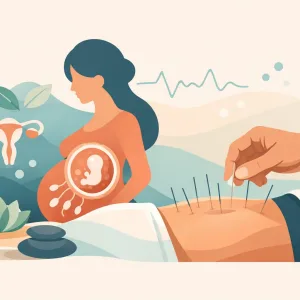
A miscarriage can leave you managing far more than physical symptoms. There may be bleeding, fatigue, disrupted sleep, pelvic discomfort, uncertainty about future fertility and a deep emotional response that does not follow a timetable. So, is acupuncture safe after miscarriage? For many people, it can be a safe complementary treatment once they are medically stable and have been appropriately assessed. The timing, your symptoms and the experience of the practitioner all matter.
Acupuncture should never replace care from your GP, maternity unit or early pregnancy service. It can, however, form part of a thoughtful recovery plan, supporting wellbeing while your body and mind adjust after pregnancy loss.
When acupuncture may be appropriate after miscarriage
There is no single right time to begin acupuncture. Some people feel ready after bleeding has settled and they have received reassurance that the miscarriage has completed. Others need longer, particularly after medical management, surgery, complications or a traumatic experience. A qualified practitioner should take a full history and work around your individual recovery rather than apply a standard protocol.
When your medical team has confirmed that you are recovering normally, acupuncture may be used to support relaxation, sleep, stress management and a sense of physical steadiness. Some clients also seek treatment for tension, headaches, digestive upset or low energy during a difficult period. These are areas where a calm, practitioner-led session may be helpful alongside rest, nourishment and conventional follow-up.
It is equally valid not to feel ready. Acupuncture is not something to rush into because you hope it will make the experience feel resolved. Recovery is not a test of resilience, and the right timing is the timing that feels safe for you.
Is acupuncture safe after miscarriage if you are still bleeding?
Light bleeding or spotting can continue for days or, in some cases, a few weeks after a miscarriage. Whether treatment is suitable during this stage depends on the amount of bleeding, any pain, how the miscarriage was managed and whether there are signs that tissue may remain in the uterus. This is why an individual assessment is essential.
Do not book acupuncture as a substitute for medical review if bleeding is heavy, increasing or prolonged. Seek urgent medical advice if you are soaking pads rapidly, passing very large clots, experiencing severe or worsening abdominal pain, feeling faint, have a fever or chills, or notice unpleasant-smelling discharge. These symptoms can indicate complications such as infection, retained pregnancy tissue or, more rarely, an ectopic pregnancy that requires immediate care.
If you have had a surgical procedure, such as management of miscarriage in hospital, give your body time to recover and follow the advice given by your clinical team. A practitioner may recommend waiting until your post-procedure symptoms have settled and your medical follow-up is complete.
Safety depends on assessment and practitioner training
Acupuncture is generally low risk when performed by a properly trained practitioner using single-use sterile needles. Minor effects can include a small bruise, temporary soreness, light-headedness or tiredness after treatment. These are usually short-lived, but they should be discussed openly before your first appointment.
After miscarriage, good practice means more than asking when the loss occurred. Your acupuncturist should ask about your pregnancy history, current bleeding and pain, scans or blood tests where relevant, medication, iron levels, other health conditions and whether you are receiving support from a GP or hospital team. They should also ask what you want from treatment. For one person that may be sleep; for another, it may be a quieter hour in which to feel cared for without needing to explain everything.
Certain circumstances need extra caution. Tell your practitioner if you are taking anticoagulant medication, have a bleeding disorder, have fainted with needles before, are prone to infection, or have had a recent procedure. If there is any chance you could still be pregnant, or you are trying to conceive again, treatment choices need to reflect that. An experienced fertility-focused acupuncturist will adapt point selection and treatment intensity accordingly.
What acupuncture can and cannot do in recovery
Acupuncture is often sought because miscarriage can make the body feel unfamiliar and unpredictable. A well-paced treatment may help you settle your nervous system, release muscular tension and create space for rest. Some people find the regularity of appointments grounding at a time when their confidence has been shaken.
However, it is important to be clear about the limits. Acupuncture cannot reverse a miscarriage, remove retained tissue, treat an infection or guarantee a future viable pregnancy. It should not be presented as a cure for grief, anxiety or recurrent miscarriage. Anyone experiencing persistent low mood, intrusive thoughts, panic, severe anxiety or thoughts of self-harm deserves prompt support from their GP, a mental health professional or an appropriate pregnancy-loss service.
For clients preparing to try again, acupuncture may sit alongside medical investigation and fertility care. If losses have been recurrent, your GP or fertility specialist may consider tests based on your history, age and circumstances. Complementary treatment can support your wellbeing through this process, but it should work alongside, not instead of, appropriate medical assessment.
A gentler approach is often the right approach
Following miscarriage, more treatment is not necessarily better treatment. The goal is not to force the body back into a cycle or to chase a particular outcome. A sensitive practitioner will usually begin gently, review how you respond and adjust the plan as your energy, symptoms and emotional capacity change.
At Willows Clinic, this means beginning with a detailed consultation and creating treatment around the person in front of us, not just the reason for the appointment. For some clients, acupuncture may be combined with fertility-focused support later in their journey. For others, the most appropriate approach is simply restorative care, with no pressure to discuss future plans before they are ready.
Your first session should feel unhurried. You should be able to ask why a treatment is being suggested, mention any worries about needles or bleeding, and decide whether to continue. Consent matters throughout the appointment. If you become upset, uncomfortable or light-headed, your practitioner should respond calmly and adjust or stop treatment.
Questions to ask before booking
Before arranging acupuncture after a miscarriage, it is reasonable to ask whether the practitioner has experience supporting clients after pregnancy loss and how they decide when treatment is appropriate. Ask how they manage treatment if bleeding is ongoing, what qualifications and professional standards they hold, and whether they will liaise with your medical care where needed.
It can also help to consider your own practical readiness. Have you had the follow-up you need? Are your symptoms improving rather than worsening? Do you have enough energy for an appointment, or would you benefit more from rest this week? There is no prize for returning to a routine quickly.
If you do proceed, wear comfortable clothing, eat something light beforehand if you are prone to feeling faint and plan a quiet period afterwards where possible. Keep your GP or hospital team informed about significant symptoms, medication changes or plans to try for another pregnancy.
A miscarriage deserves careful care, not assumptions. When medical safety has been established and treatment is delivered by a skilled, compassionate practitioner, acupuncture can offer a supportive pause in recovery – one that respects both the physical reality of loss and the fact that healing takes its own time.