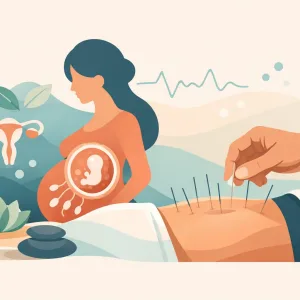
When you are trying to conceive, every month can start to feel very clinical very quickly. Timings, test results, scans and symptom tracking all matter, but so does the wider picture – circulation, nervous system balance, menstrual health and how supported your body feels over time. That is where understanding how acupuncture supports fertility can be genuinely helpful.
Acupuncture is not a magic fix, and a reputable practitioner should never present it as one. What it can do is support the conditions the body needs for conception by working on regulation, reducing physiological stress, and helping to improve pelvic blood flow and cycle quality. For many people, that makes it a valuable part of a broader fertility plan rather than a stand-alone answer.
How acupuncture supports fertility in practice
In a fertility setting, acupuncture treatment is usually planned around your menstrual cycle, your symptoms, your medical history and whether you are trying naturally or alongside assisted conception. The aim is not simply to relax you, although that can be part of the benefit. The real focus is on supporting the systems that influence ovulation, uterine lining development, hormone signalling and overall reproductive health.
This is one reason fertility acupuncture should feel structured rather than generic. A patient with painful periods and irregular ovulation needs a different treatment approach from someone preparing for IVF, recovering from a miscarriage, or dealing with stress-related cycle disruption. Good care starts with that distinction.
Supporting menstrual cycle regulation
A regular, well-timed cycle is often one of the first things practitioners look at. If ovulation is inconsistent, periods are delayed, or symptoms vary significantly from month to month, acupuncture may be used to support better regulation. In clinical practice, this often means treatment timed to the follicular phase, ovulation window and luteal phase, with adjustments based on how your body is responding.
Some patients notice changes such as more predictable cycle length, reduced PMS, fewer cramps or improved basal body temperature patterns over time. These shifts do not guarantee pregnancy, but they can suggest that the cycle is becoming more stable and better supported.
Improving blood flow to the reproductive organs
One of the most commonly discussed ways how acupuncture supports fertility is through circulation. Healthy blood flow matters for ovarian function and for building a receptive uterine lining. If circulation is poor, the endometrium may not develop as well as needed, and some patients also report coldness, clotting or pain during menstruation.
Acupuncture is often used with the aim of encouraging better pelvic circulation and reducing stagnation patterns identified in traditional East Asian medicine. From a practical point of view, this means treatment may support the body in creating a more favourable environment for implantation and cycle health. It is not a guarantee, but it is one reason many fertility patients seek acupuncture support in the months before trying to conceive or before a treatment cycle.
Helping to regulate the stress response
Stress does not cause infertility in a simple, one-line way, but it can affect sleep, digestion, muscle tension, emotional resilience and hormonal communication. Anyone who has spent months trying to conceive already knows that fertility stress is not just mental – it is physical. It sits in the body.
Acupuncture is widely valued because it can help move someone out of a persistently heightened stress state. Patients often describe feeling calmer, sleeping more deeply, or experiencing less tension after treatment. That matters because fertility care is not only about ovaries and hormones. It is also about whether the body is constantly operating as though it is under pressure.
For some people, this is especially important during IVF or IUI, when the emotional intensity is high and the schedule can feel relentless. In that context, acupuncture can offer a steadier physiological and emotional baseline.
Acupuncture and fertility treatment support
If you are undergoing assisted conception, acupuncture is often used alongside conventional medical care rather than instead of it. This may include support before ovarian stimulation, around egg collection, during the transfer stage, or in the two-week wait. The exact timing depends on your treatment plan and on your clinic’s guidance.
This integrative approach appeals to many patients because it allows them to support their body without interfering with medical treatment. It can also give a greater sense of active care during a process that can otherwise feel highly controlled and impersonal.
That said, expectations need to be realistic. Acupuncture cannot correct every cause of infertility. If there is severe male factor infertility, blocked fallopian tubes, diminished ovarian reserve or a clear structural issue, acupuncture may still offer useful support, but it is not a substitute for diagnosis or medical management. The best results usually come when care is well coordinated and based on what is actually happening in your case.
Who may benefit most from fertility acupuncture?
Acupuncture can be helpful for a wide range of fertility presentations, but it tends to be particularly relevant where there are signs of imbalance rather than a single straightforward issue. That may include irregular cycles, painful periods, PMS, suspected ovulatory disruption, high stress, unexplained infertility or repeated disappointment despite apparently normal investigations.
It may also be considered by those preparing for IVF, recovering after loss, or wanting support in the months before trying to conceive. In some cases, it forms part of a broader holistic plan that may also include reflexology, cranial sacral therapy, pelvic alignment work and lifestyle guidance. At Willows Clinic, that integrated approach can be especially valuable for patients who want care that looks at the full picture rather than one symptom in isolation.
What a personalised treatment plan should include
A proper fertility acupuncture plan should take account of more than your age and how long you have been trying. It should include cycle history, diagnosis if you have one, menstrual symptoms, digestive health, sleep, stress levels, temperature patterns, previous pregnancies and any current medical treatment.
The frequency of sessions can vary. Some people attend weekly over several cycles, while others are seen more intensively around IVF milestones. Progress is usually assessed through changes in symptoms, cycle pattern and how the patient is feeling overall. That individualised planning is part of what makes specialist care so important.
What the evidence says – and what it does not
Patients often ask whether acupuncture is proven to improve fertility. The honest answer is that the evidence is mixed, and it depends on the outcome being measured. Some studies suggest benefits in stress reduction, symptom management and aspects of reproductive support, while others show more modest or inconsistent effects on pregnancy rates.
That does not mean acupuncture has no value. It means fertility is complex, research methods vary, and no single intervention works the same way for every patient. In practice, many people choose acupuncture because it offers support in areas that standard treatment may not fully address, especially cycle wellbeing, emotional strain and whole-body regulation.
A responsible practitioner will be clear about this. They should explain where acupuncture may help, where the limits are, and why timing and individual assessment matter.
Choosing the right practitioner for fertility support
If you are considering treatment, experience matters. Fertility-focused acupuncture is a specialist area, and it should be delivered by someone trained to work safely alongside medical fertility care where needed. You should feel that your case is being assessed thoroughly, that treatment has a clear rationale, and that your concerns are being taken seriously.
This is particularly important if your fertility journey has already involved loss, failed cycles or complex diagnoses. At that stage, generic wellness language is rarely enough. Patients need calm, informed support with a treatment plan that is realistic, responsive and clinically grounded.
How acupuncture supports fertility over time
The biggest benefit of acupuncture is often not a single dramatic change after one session. More commonly, it is the cumulative effect of regular treatment. Better sleep. A steadier cycle. Less pain. Improved calm. Fewer signs that the body is struggling each month.
Those changes can matter more than they first appear. Fertility support is often about improving the overall conditions for conception, not forcing a result on a fixed timetable. For patients who feel worn down by the process, that shift alone can be significant.
If you are exploring complementary support, it is worth looking for care that is tailored, measured and honest about what acupuncture can and cannot do. The right treatment should leave you feeling more supported, better informed and more confident in the plan ahead.