Swelling that seems to linger, tightness around an incision, and a body that does not yet feel like your own can make the weeks after an operation frustrating. Post surgery massage results can be meaningful, particularly when treatment is appropriately timed and tailored to the procedure, but they are not instant and should never be treated as a shortcut around medical recovery.
For many people, the first positive changes are a greater sense of comfort, less tissue congestion and easier movement. The pace of improvement depends on the surgery itself, your healing response, your general health and whether you follow your surgeon’s aftercare instructions. A qualified therapist works alongside that plan, not in place of it.
What results can post surgery massage support?
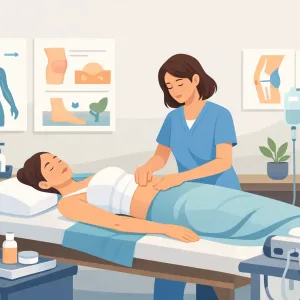
Post-operative massage is a broad term. In a clinical setting, it may involve very gentle manual lymphatic drainage, careful work around healed scar tissue, or techniques intended to ease muscular guarding and restricted movement. The right approach changes as your recovery progresses.
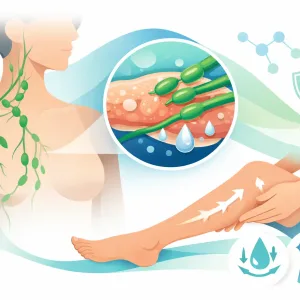
One of the most common reasons people seek treatment is persistent swelling. Surgery naturally triggers inflammation, and lymphatic fluid can build up in the treated area or surrounding tissues. Gentle lymphatic drainage may support the body’s natural fluid movement, helping an area feel less heavy, tense or congested. Some clients notice that clothing feels more comfortable or that the area looks less puffy after a course of treatment.
Comfort and mobility are also important post surgery massage results. After an operation, it is normal to protect the area unconsciously. This can lead to tight muscles, altered posture and stiffness beyond the surgical site itself. Sensitive, appropriately modified hands-on therapy can help reduce this guarding once your medical team has confirmed it is safe to begin.
As incisions heal, scar tissue may feel firm, raised, numb, pulling or sensitive. Later-stage scar work can support tissue suppleness and movement in the surrounding area. It cannot erase a scar or guarantee a particular cosmetic outcome, but it may help when a healed scar feels restrictive or uncomfortable.
Results differ by procedure
Recovery after liposuction, abdominal surgery, breast surgery, joint replacement, a caesarean birth or an orthopaedic repair follows very different timelines. The amount of swelling, the use of compression garments, restrictions on movement and the risks to consider will vary considerably.
For cosmetic procedures, clients often want help with post-operative oedema, firmness and uneven-feeling tissue. For orthopaedic surgery, the priority may be restoring comfortable movement while respecting rehabilitation protocols. Following abdominal or pelvic surgery, treatment needs particular sensitivity to healing tissues and to the possibility of altered sensation.
This is why a general massage appointment is not automatically appropriate after surgery. The therapist should understand what procedure you have had, when it took place, what medication you are taking and what restrictions your surgeon or consultant has given you.
When do post surgery massage results begin?
There is no reliable one-size-fits-all answer. Some people feel lighter or more comfortable after their first gentle lymphatic drainage session. Others notice gradual changes over several appointments, especially where swelling has been present for weeks or tissue tightness has developed during recovery.
A realistic expectation is that massage may support the recovery process rather than transform it overnight. Post-operative swelling can fluctuate during the day and may take weeks or months to settle fully, depending on the procedure. A session can improve comfort, but it cannot force the body to heal faster than its biology allows.
The most useful measure of progress is often functional rather than purely visual. You may sleep more comfortably, move with less pulling, feel less pressure in an area, or find it easier to return to the gentle activity approved by your medical team. Keeping note of these changes can give a clearer picture than judging the area from day to day.
Why consistency matters
For ongoing swelling or established tightness, a planned series of sessions is often more beneficial than a single treatment. The frequency should be guided by your recovery stage, symptoms and response to treatment. More pressure or more frequent sessions are not necessarily better. In early recovery, the tissues may respond best to a light, measured approach.
Your home care matters too. Wearing compression garments if prescribed, keeping follow-up appointments, taking short walks when cleared to do so, staying hydrated and avoiding activities you have been told to limit all contribute to recovery. Massage is most effective when it forms part of this wider aftercare plan.
Safety comes before treatment
Before any post-operative session, you should have clear approval from your surgeon, GP or relevant consultant. The appropriate start date differs between procedures and can change if there have been complications. A responsible therapist will ask for the details rather than assume that a certain number of days or weeks is suitable for everyone.
Treatment should be postponed if there is an open wound, active bleeding, suspected infection, a fever, unexplained increase in pain, severe redness or heat around the surgical area, or new drainage from the incision. Massage is also not suitable where there is suspected deep vein thrombosis, a blood clot, uncontrolled heart or kidney conditions, or other concerns that require medical assessment.
Seek urgent medical advice for symptoms such as sudden shortness of breath, chest pain, coughing blood, fainting, or a painful swollen calf. These are not normal massage reactions and need immediate attention. Likewise, contact your surgeon promptly if swelling suddenly increases, the wound changes appearance, or you feel generally unwell.
A qualified practitioner should never massage directly over fresh incisions, force movement through sharp pain or promise to break down scar tissue in one session. Pressure, position and technique must be adapted to your recovery. Clear communication is essential: tell your therapist if anything feels too intense, if numbness is changing, or if your surgeon updates your restrictions.
Choosing the right type of treatment
Manual lymphatic drainage is often the most appropriate starting point when post-operative swelling is the main concern. It uses light, rhythmic strokes intended to encourage lymphatic flow. It should not feel like deep tissue massage. In fact, firm pressure can be uncomfortable and may be unsuitable in the early stages of healing.
Once wounds are fully closed and healing is well established, treatment may gradually include work to the surrounding muscles and, where appropriate, scar mobilisation. This is particularly relevant where stiffness, pulling or protective tension is affecting movement. The treatment plan should remain responsive: what helped in week six may not be the right approach in month three.
At Willows Clinic, treatment is approached as individual therapeutic care rather than a standard post-operative routine. Your therapist can assess your symptoms, listen to the guidance you have received from your surgical team and recommend a safe, appropriate course of hands-on support.
What a good appointment should feel like
A thorough first consultation should cover your operation, date of surgery, current symptoms, medications, medical history and aftercare instructions. Your therapist may also ask about compression, mobility, sleep, pain levels and any changes in sensation. These details help distinguish normal recovery discomfort from symptoms that should be referred back to your medical team.
During the treatment, you should feel supported and able to relax. Gentle lymphatic work is often subtle. It may not resemble a spa massage, and that is intentional. The goal is to work within the body’s healing capacity, not to create intense sensation.
Afterwards, some people feel calmer, lighter or less restricted. Temporary tiredness can occur, particularly if you are already recovering from an anaesthetic, disrupted sleep or reduced activity. Drink water, follow your post-operative instructions and allow yourself a quieter day if needed. If you experience increased pain, new redness, dizziness or anything that concerns you, contact your medical provider.
Set expectations that protect your recovery
The best post surgery massage results are usually steady rather than dramatic. They are built on appropriate timing, skilled treatment, medical clearance and respect for the fact that recovery is rarely linear. Swelling may improve then temporarily return, particularly after more activity, travel or a long day on your feet.
Choose support that takes your operation seriously, listens to your concerns and adapts as your body heals. A careful treatment plan can make recovery feel more manageable, while giving your body the time and conditions it needs to do its most important work.