A feeling of heaviness in the legs, puffiness after travelling, lingering swelling after an injury or a body that simply does not feel as though it is recovering well can be frustrating. Lymphatic drainage is a gentle, targeted massage approach designed to support the natural movement of lymph fluid through the body. It is not a deep-tissue treatment, and it should never feel punishing. When it is appropriate, it can be a valuable part of a wider plan for recovery, comfort and wellbeing.
The lymphatic system works quietly in the background, helping to manage fluid balance and supporting immune function. When circulation is sluggish, tissues may feel congested or swollen. A skilled practitioner uses light, purposeful strokes to encourage fluid towards areas of the body where it can be processed naturally.
What happens during lymphatic drainage massage?
Lymphatic drainage massage uses slow, rhythmical movements and very light pressure. This can surprise people who expect massage to be firm or intense. The lymph vessels sit close to the surface of the skin, so forceful pressure is not the goal.
Your appointment should begin with a discussion of your health, symptoms, medical history and what you hope to achieve. This matters because swelling has many possible causes. A recent strain, post-operative recovery, hormonal changes and long periods of sitting can each call for a different approach. In some cases, swelling needs medical assessment before massage is considered.
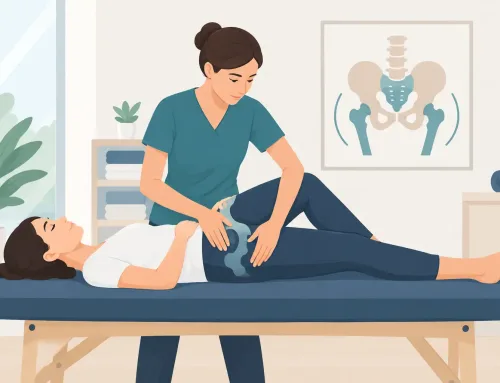
During treatment, you will usually be comfortably positioned on a couch and appropriately covered. The practitioner may work on the neck, abdomen, limbs or another relevant area, following the pathways of the lymphatic system. Sessions are typically deeply calming, and many clients notice a sense of lightness or relaxation afterwards. Others notice more frequent urination for a short period, which can be a normal response to changes in fluid movement.
Who may benefit from lymphatic drainage?
Lymphatic drainage may be considered by people who experience mild, temporary fluid retention, a heavy or puffy feeling, or restricted comfort during physical recovery. It is also often chosen after periods of inactivity, long journeys or demanding training, when the body feels tired and congested.
For active adults, gentle lymphatic work can sit alongside sports massage, rehabilitation and sensible recovery habits. It may help support comfort in tissues following exertion, but it is not a replacement for a diagnosis or a structured injury plan where one is needed.
Some clients living with chronic fatigue, fibromyalgia or Long Covid are drawn to gentle therapies because intense bodywork can feel overwhelming. Here, the pace of treatment is particularly important. A well-planned session should respect your energy envelope and current symptoms rather than pushing the body to do more than it can manage. The response is individual: some people benefit from short, carefully spaced sessions, while others may need a different therapeutic focus altogether.
People seeking support around digestive discomfort or hormonal changes may also find that a gentle abdominal and lymphatic approach complements their wider care plan. The key word is complements. Persistent bloating, unexplained swelling, pain or changes in bowel habits deserve proper clinical investigation, alongside any complementary treatment.
A treatment plan should be personal
There is no single number of sessions that suits everyone. One person may book lymphatic drainage before a special event or after a long-haul flight, while another may be working through a longer period of physical recovery. Your practitioner should explain what is realistic, reassess your response and adapt the plan as needed.
At Willows Clinic, treatment is approached as part of the whole picture. Depending on your needs, lymphatic work may be considered alongside abdominal massage, reflexology, acupuncture or carefully selected recovery-focused therapies. Combining treatments is not automatically better. It is appropriate only when the methods, timing and intensity suit your health history and goals.
When lymphatic drainage is not suitable
Professional screening is essential. Massage that encourages fluid movement is not suitable in every circumstance, particularly when there is an acute or unexplained health concern. You should seek medical advice before booking if you have sudden swelling, swelling in one leg, shortness of breath, chest pain, a fever, redness or heat in an area of swelling, or unexplained weight change.
Lymphatic drainage may also need to be postponed or avoided where there is an active infection, untreated heart or kidney problems, known blood clots, certain cancers or a condition that requires specialist medical clearance. Recent surgery, pregnancy and prescribed medication do not necessarily rule treatment out, but they do make an informed consultation especially important.
A responsible practitioner will not make sweeping promises or attempt to explain away symptoms that need medical attention. Complementary therapy works best when it is delivered within clear boundaries and alongside appropriate healthcare.
Getting the most from your session
You do not need to make dramatic changes before or after treatment. Arriving well hydrated, wearing comfortable clothing and allowing time to rest afterwards can help you feel more comfortable. Avoid booking an intensive workout immediately after a session if your body is already fatigued.
Pay attention to how you feel over the following day or two. You may notice relaxation, softer-feeling tissues or an increased desire to drink water. If you feel unwell, experience new pain or notice a concerning change in swelling, contact a healthcare professional rather than assuming it is part of the treatment response.
Between appointments, regular gentle movement can be useful for many people. Walking, changing position regularly when working at a desk and taking breaks on long journeys all support normal circulation. These simple measures are often more effective when practised consistently than when saved for the days you feel particularly uncomfortable.
Choosing a practitioner you can trust
Lymphatic drainage is often marketed as a quick fix for bloating or detoxification. That language can obscure the value of proper assessment and safe, skilled hands-on care. A good practitioner will be clear about what treatment can and cannot do, ask relevant health questions and adjust the session to your comfort.
Look for someone with recognised training in massage or manual lymphatic techniques, sound knowledge of contraindications and experience working with clients who have needs similar to yours. If you are recovering from surgery, managing a chronic condition or have been advised to monitor swelling, ask how the practitioner will work alongside your existing medical guidance.
The best starting point is not a promise of dramatic change. It is a careful conversation about what your body is experiencing, what has already been ruled out and what kind of support feels realistic. For the right person, at the right time, lymphatic drainage can offer a calm and considered way to support recovery while giving the body the attention it has been asking for.