Swelling that leaves socks marked around your ankles, makes a ring feel tight or creates a heavy, uncomfortable feeling in a limb deserves more than a quick internet fix. Can lymphatic drainage reduce swelling? In the right circumstances, gentle manual lymphatic drainage can support the movement of excess fluid and help tissues feel less congested. But the cause of swelling matters, and safe treatment begins with understanding that cause.
Lymphatic drainage massage is a specialised, light-touch treatment designed to encourage lymph flow. It is very different from a deep-tissue massage: the pressure is gentle, the rhythm is slow and the technique follows the pathways through which lymph fluid travels. For people with mild fluid retention, post-treatment puffiness or a sense of heaviness, it can be a valuable part of a tailored care plan.
Can lymphatic drainage reduce swelling in practice?
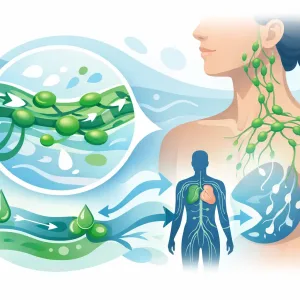
The lymphatic system helps collect excess fluid, waste products and proteins from the body’s tissues, before returning fluid to the bloodstream and supporting immune function. When this transport system is under extra pressure, fluid can accumulate between cells. This is often described as oedema or fluid retention.
Manual lymphatic drainage aims to stimulate the superficial lymph vessels and direct fluid towards functioning lymph nodes. Following a session, some clients notice that an area feels softer, less tight or more comfortable. Others find that their sense of heaviness improves, particularly in the legs, arms or abdomen.
Results depend on why swelling has developed. A short period of fluid retention after travelling, inactivity or hormonal change is very different from swelling caused by venous disease, lymphoedema, injury, infection or an underlying heart, kidney or liver condition. Lymphatic drainage may support comfort and circulation, but it is not a substitute for medical diagnosis or treatment.
When it may be helpful
Specialist lymphatic drainage is often considered where there is mild, persistent puffiness, a feeling of tissue congestion or a need for gentle support during recovery. It may be useful after a period of reduced movement, alongside an appropriate rehabilitation plan, or where clients are prone to temporary fluid retention.
It is also commonly sought following cosmetic or surgical procedures, but treatment should only begin with the explicit agreement of the surgeon or treating medical team. Post-operative tissues need careful handling. The timing, pressure and treatment area must be adapted to the procedure, healing stage and any individual risks.
For diagnosed lymphoedema, manual lymphatic drainage can form one element of a more comprehensive management approach. This may also include compression, prescribed exercise, skin care and advice from a lymphoedema specialist. One massage alone is unlikely to resolve established lymphoedema, but skilled hands-on treatment can be helpful within a properly coordinated plan.
What lymphatic drainage cannot do
It is easy to overstate what any bodywork treatment can achieve. Lymphatic drainage does not melt fat, replace exercise, cure a medical condition or make sudden unexplained swelling safe to ignore. It is not a treatment for blood clots, and it should never be used to delay urgent assessment.
The aim is more practical: to support fluid movement where this is appropriate, ease the sensation of tightness and heaviness, and provide a calming treatment that respects the body’s current capacity. Some people notice a clear change after one session; others need a series of treatments, particularly when swelling has been present for some time. In some cases, the most responsible recommendation is not massage at all, but referral back to a GP, consultant or specialist service.
A qualified practitioner will assess your health history, current symptoms, medication, recent operations and treatment goals before beginning. They should also explain what they can realistically support and what requires medical care.
When swelling needs medical assessment first
New, sudden or one-sided swelling needs particular caution. The same applies if swelling is painful, red, hot, accompanied by breathlessness, chest pain, fever or a general feeling of being unwell. These symptoms can indicate conditions requiring urgent medical attention.
Please seek prompt medical advice if you experience:
- sudden swelling in one leg or arm, especially with pain, warmth or redness;
- shortness of breath, chest pain, coughing up blood or dizziness;
- swelling following a significant injury, or swelling that is rapidly worsening;
- fever, broken skin, spreading redness or suspected infection; or
- unexplained swelling that persists, particularly if you have a history of cancer, heart disease, kidney disease or vascular problems.
Lymphatic drainage is generally avoided or postponed in cases of suspected deep vein thrombosis, acute infection, uncontrolled heart failure or significant kidney impairment. People undergoing cancer treatment, living with a complex medical condition or taking blood-thinning medication should seek guidance from their medical team before booking. The decision is individual, not a blanket yes or no.
What to expect from a specialist treatment
A professional appointment should feel considered rather than rushed. Your therapist will first discuss where the swelling is, how long it has been present, whether it changes during the day and what medical investigations or diagnoses you have had. They may ask about recent travel, injuries, surgery, hormonal changes, exercise levels and medication.
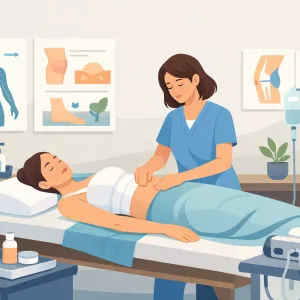
The treatment itself usually involves slow, repetitive strokes, gentle pumping movements and carefully directed pressure. It should not be painful. Because lymph vessels sit close to the surface of the skin, firmer pressure is not more effective and can be counterproductive for sensitive or swollen tissues.
Depending on your needs, the therapist may work around the neck, abdomen, legs, arms or another relevant area. Treatment plans vary. Someone experiencing temporary mild retention may benefit from occasional sessions and practical self-care, while someone managing chronic lymphatic issues may need a more regular schedule agreed alongside their wider healthcare team.
Afterwards, you may feel deeply relaxed and notice that you need to pass urine more often. Hydration, gentle walking and following any personalised aftercare advice can support your comfort. Avoid treating a session as permission to ignore the daily foundations that influence swelling, including movement, sleep, suitable nutrition and medical management where needed.
Supporting results between appointments
For many people, small consistent habits make a meaningful difference. Regular gentle movement uses the natural pumping action of the muscles to support circulation and lymph flow. A walk, mobility work, swimming or clinician-approved exercise can be more useful than long periods of sitting followed by one intense workout.
If swelling affects the legs, avoid remaining in one position for extended periods where possible. Changing position during desk work, walking during travel breaks and elevating the legs when advised can all help. Compression garments should only be used with appropriate professional guidance, particularly if you have arterial, cardiac or complex vascular conditions.
Skin care is also essential for anyone with lymphoedema or recurring swelling. Keep skin clean and moisturised, address cuts or insect bites promptly, and seek advice if you see redness, heat or signs of infection. These measures may seem simple, but they protect a system that is already working harder.
A tailored approach gives swelling the best chance to settle
Swelling is a symptom, not a diagnosis. The most effective approach starts by identifying whether it is linked to temporary fluid retention, reduced movement, recovery, lymphatic compromise or another health issue. From there, lymphatic drainage can be used thoughtfully as part of the right plan rather than as a one-size-fits-all answer.
At Willows Clinic, lymphatic drainage is delivered as a practitioner-led therapy, with treatment adapted to your symptoms, health history and recovery goals. If you are unsure whether massage is suitable, a proper consultation can provide clarity and ensure that your care is both supportive and safe.
If your swelling is new, changing or concerning, speak to a medical professional first. Once serious causes have been ruled out, gentle specialist care can offer a reassuring way to support comfort, movement and a greater sense of ease in your body.