A heavy, puffy feeling in the limbs, persistent post-exercise soreness or swelling after a period of reduced movement can make the body feel unlike itself. The potential lymphatic drainage massage benefits are often the reason people seek this gentle, practitioner-led treatment: it is designed to support fluid movement, comfort and recovery without the intensity of a deep-tissue massage.
At Willows Clinic, treatment is approached as therapeutic care rather than a one-size-fits-all wellness appointment. Your therapist considers your symptoms, health history and treatment goals before deciding whether manual lymphatic drainage is appropriate and how it may fit within a wider plan.
What is lymphatic drainage massage?
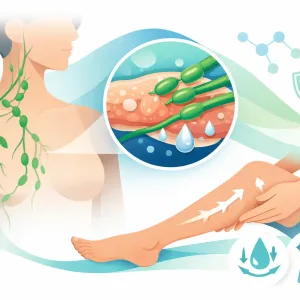
Manual lymphatic drainage is a specialised form of light, rhythmic massage. It uses carefully directed movements on the skin to encourage the flow of lymph – a clear fluid that carries waste products, proteins and immune cells through the lymphatic system.
Unlike circulatory massage, which may use firmer pressure to work into muscle tissue, lymphatic drainage uses a very light touch. The lymphatic vessels sit close to the surface of the skin, so more pressure is not better. A trained practitioner works in a deliberate sequence, often beginning around the neck and collarbone where lymph returns to the bloodstream, before treating relevant areas of the body.
The aim is to support the body’s natural fluid-management processes. It should feel calm and gentle, not painful or forceful. Some people notice deep relaxation during treatment; others feel lighter or less restricted in areas affected by mild fluid retention.
Lymphatic drainage massage benefits for recovery and wellbeing
The lymphatic system works continuously, but its flow is influenced by movement, breathing, hydration and general health. When someone has been sedentary, is recovering from exertion or is prone to a feeling of puffiness, manual techniques may offer supportive relief. Results vary according to the underlying cause, which is why a proper assessment matters.
Support for mild swelling and a feeling of heaviness
One of the most recognised lymphatic drainage massage benefits is support for temporary, uncomplicated swelling. Long periods sitting at a desk, travel, warm weather and reduced activity can all contribute to a sense of heaviness or tightness, particularly in the legs and ankles.
Gentle treatment may help encourage fluid movement and provide a more comfortable, lighter feeling. It is not a substitute for medical assessment when swelling is new, one-sided, painful, sudden or accompanied by breathlessness. Those symptoms need urgent medical attention, not massage.
A calmer route into physical recovery
After demanding training, an injury or a prolonged period of stress, the body can feel tight, tired and slow to recover. Lymphatic drainage is sometimes chosen as part of a recovery-focused plan because it is non-strenuous and deeply relaxing. The slow pace can also support rest, which is an essential but often overlooked part of physical recovery.
It is not designed to replace sports massage, physiotherapy or rehabilitation where these are indicated. Instead, it can sit alongside appropriate care, particularly when the priority is gentle support rather than intensive muscle work. The right approach depends on the stage of recovery and the nature of the injury.
Comfort during hormonal changes and bloating
Some clients seek treatment when hormonal changes leave them feeling bloated or generally uncomfortable. While massage cannot treat the cause of hormonal conditions, a tailored lymphatic drainage session may support relaxation and temporary comfort where fluid retention contributes to that sensation.
For digestive discomfort, it is equally important to distinguish between occasional bloating and persistent symptoms. Ongoing pain, altered bowel habits, unexplained weight loss or bleeding should always be discussed with a GP. Complementary therapy works best when it is part of informed, responsible self-care.
Support around aesthetic and surgical recovery
Manual lymphatic drainage is frequently discussed in relation to cosmetic procedures and post-operative recovery. In the right circumstances, it may be used to support comfort and the management of swelling. However, post-surgical care requires particular caution.
Treatment should only begin with the approval of the surgeon or treating medical team, and the technique, timing and pressure must be adapted to the procedure and stage of healing. An experienced therapist will not treat over unhealed wounds, active infection or areas where massage has been restricted. A carefully planned approach is far more valuable than rushing into treatment.
Relaxation when the nervous system is under strain
The treatment room matters as much as the technique. For people carrying chronic stress, fatigue or the emotional load of a long recovery, the quiet rhythm of lymphatic drainage can offer a valuable period of rest. Clients often describe feeling settled afterwards, sometimes with improved sleep that night.
This does not mean lymphatic drainage treats anxiety, ME, CFS, fibromyalgia or Long Covid on its own. These are complex conditions that require individual consideration. For some people, especially those with post-exertional symptom worsening, treatment needs to be especially gentle and paced. A therapist should listen carefully to how your body responds and adjust accordingly.
Who may benefit from a tailored treatment plan?
Lymphatic drainage can be suitable for adults looking for gentle support with mild fluid retention, a heavy feeling in the limbs, recovery needs or general wellbeing. It may also appeal to people who find deeper massage too stimulating or uncomfortable.
It is most useful when the treatment goal is clear. Someone preparing for a special occasion may simply want to feel less puffy and more rested. Someone returning to exercise may need a recovery plan that complements movement, sleep and professional injury advice. Someone managing a chronic health concern may need slower, carefully monitored sessions alongside their existing medical care.
At Willows Clinic, this is where practitioner judgement is central. Your session should be shaped by what is happening in your body, not by a standard routine applied to every client.
When lymphatic drainage massage is not appropriate
A professional consultation protects your wellbeing. Lymphatic drainage should be postponed or avoided in certain circumstances, including active infection or fever, suspected blood clot, uncontrolled heart failure, significant kidney disease, acute inflammation and some forms of cancer or cancer treatment without medical clearance.
Pregnancy is another situation where individual advice is essential. Gentle massage may be appropriate for some expectant mothers, but the timing, technique and any pregnancy-related complications must be considered first. Always share your full medical history, medication and recent procedures with your therapist.
If you develop sudden swelling, red or hot skin, chest pain, shortness of breath or unexplained symptoms, seek medical care promptly. Massage is never the right response to a possible medical emergency.
What to expect from your appointment
Your first appointment should begin with questions rather than massage. Your therapist will discuss your reasons for attending, relevant health conditions, recent surgery or injury, medication and what you would like to improve. This helps establish whether treatment is suitable and whether another therapy, referral or a combined approach would be more helpful.
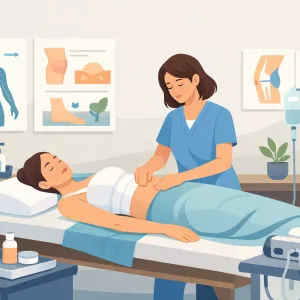
During the session, you will usually be positioned comfortably on a treatment couch. The movements are light, repetitive and unhurried. Depending on your needs, treatment may focus on the face, abdomen, legs, arms or a wider sequence designed to support lymph flow through key areas of the body.
Afterwards, keep the rest of your day relatively gentle where possible. Drink normally according to your health needs, move comfortably and pay attention to how you feel. Some clients notice an immediate sense of ease; others experience subtler changes over a series of sessions. No responsible therapist can promise a specific outcome, particularly where swelling or fatigue has a complex cause.
Getting more from lymphatic drainage massage
Treatment is often most effective when supported by realistic daily habits. Regular gentle movement, deep breathing, adequate rest and following any medical advice on compression or rehabilitation can all matter. Your therapist can help you consider what is practical for your routine rather than suggesting an unrealistic overhaul.
The value of lymphatic drainage lies in its precision and restraint. When it is clinically appropriate, delivered by a trained therapist and matched to your needs, it can be a calm, supportive way to help your body feel more comfortable as it recovers and rebalances.