When you are trying to conceive, the question is rarely whether you want support. It is which kind of support makes the most sense for your body, your history and your treatment plan. That is why acupuncture vs reflexology fertility support comes up so often in clinic conversations. Both are widely chosen as complementary therapies, but they work in different ways and suit different needs.
For some people, the decision is straightforward. They feel strongly drawn to one therapy, or they have had good results with it before. For others, the choice needs a more careful look, especially if there are cycle irregularities, a history of miscarriage, IVF treatment, endometriosis, PCOS, high stress levels or unexplained infertility. In those cases, the better question is not simply which is better, but which is better for you now.
Acupuncture vs reflexology fertility – what is the difference?
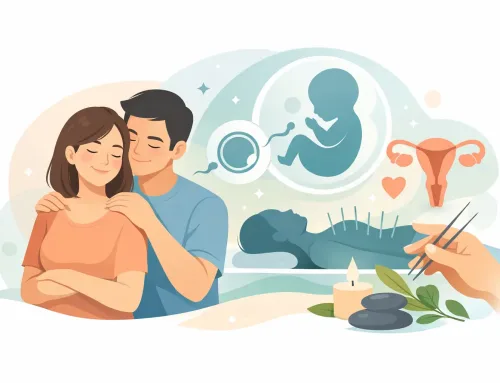
Acupuncture involves the placement of very fine needles at specific points on the body. In fertility support, it is often used to help regulate the menstrual cycle, improve blood flow, calm the nervous system and support hormonal balance. Treatment plans are typically structured around your cycle phase, symptoms and any medical fertility treatment you may be having.
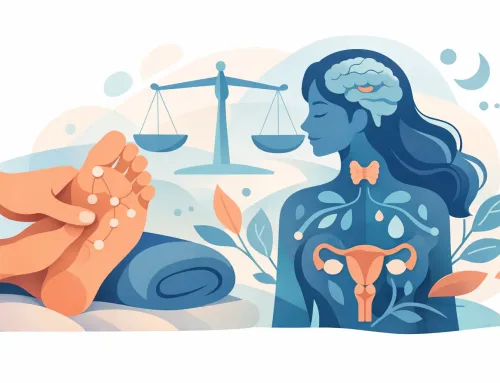
Reflexology works through targeted pressure on reflex points, usually on the feet, that correspond with different organs and systems in the body. Fertility reflexology is more specialised than general relaxation reflexology. It is used to support reproductive health, encourage balance across body systems and reduce the physical and emotional strain that often comes with trying to conceive.
Both therapies are hands-on, practitioner-led and tailored. Neither is a substitute for medical diagnosis or fertility care, but both can sit alongside conventional treatment in a thoughtful and supportive way.
How acupuncture supports fertility
Acupuncture is often chosen when there is a clear pattern that needs regulation. That might mean irregular periods, painful cycles, absent ovulation, luteal phase concerns, poor sleep, digestive issues, high anxiety or a sense that the whole system is under strain. In practice, many clients seek acupuncture because they want a treatment plan with a strong clinical structure.
One of acupuncture’s key strengths is that it can be adjusted closely across the cycle. Treatment may vary before ovulation, after ovulation and during menstruation. If someone is preparing for IVF, sessions can also be timed around stimulation, egg collection and embryo transfer. That level of precision is one reason acupuncture is so commonly used in fertility-focused care.
It may also be particularly helpful where stress is not just emotional but physiological. When the body is stuck in a constant state of tension, sleep can worsen, digestion may become less efficient and cycle symptoms often become more pronounced. Acupuncture is frequently used to settle that picture while also supporting reproductive function.
That said, not everyone feels comfortable with needles. Some people are fine in theory but find that, during fertility treatment, they need a gentler experience. Others simply prefer a more soothing manual therapy. In those cases, reflexology may feel easier to begin with.
How reflexology supports fertility
Reflexology is often valued for its calming effect, but fertility reflexology is not just about relaxation. It is a focused therapy aimed at supporting the reproductive system while also addressing the wider body. That matters because fertility rarely exists in isolation. Digestive function, sleep, stress response and circulation can all affect how well someone feels during the conception journey.
For clients who arrive exhausted, emotionally stretched or overwhelmed by appointments and decisions, reflexology can be an accessible starting point. It tends to feel less clinical than acupuncture, which some people find reassuring. The treatment itself can help bring the nervous system down from a heightened state, and that shift alone can be significant for overall wellbeing.
Reflexology may also suit those who want supportive care without needles, or those who respond well to touch-based therapies. In a specialist setting, fertility reflexology is delivered with clear therapeutic intent rather than as a generic spa-style treatment. The aim is still outcomes – better regulation, reduced stress burden and improved support through natural conception or assisted treatment.
Its limitation is that it is generally less phase-specific than acupuncture. A skilled reflexologist will still tailor treatment, but acupuncture often allows for more direct adjustment around certain symptom patterns and treatment stages.
Which is better for fertility?
There is no honest one-size-fits-all answer. Acupuncture may be the stronger option when cycle regulation is a priority, when symptoms are complex, or when treatment needs to be carefully aligned with IVF or other assisted conception plans. Reflexology may be the better fit when someone needs nervous system support, prefers a non-invasive therapy, or is looking for a more restorative starting point.
Sometimes, the choice also comes down to how your body responds. One person may feel noticeably more settled and regulated with acupuncture, while another feels a greater shift after reflexology. This is why experienced assessment matters. A fertility support plan should not be based on what is most popular, but on your history, symptoms and practical needs.
When a combined approach makes sense
In many cases, acupuncture vs reflexology fertility is not an either-or decision. The most effective support may involve both, used in a coordinated way. This is especially useful when there are several layers to address at once – for example hormonal imbalance alongside stress, poor sleep, pelvic tension or the demands of IVF.
A combined approach can give you the precision of acupuncture and the restorative support of reflexology. That can be particularly helpful for clients who want active cycle-based treatment but also need space for their body to settle. It can also work well over a longer period, where treatment is adjusted as needs change.
At a specialist clinic such as Willows Clinic, integrated fertility support may also sit alongside other complementary therapies where appropriate. The important point is not adding more for the sake of it, but choosing therapies that work together with a clear therapeutic purpose.
Acupuncture vs reflexology fertility in IVF and assisted conception
If you are preparing for IVF, IUI or another assisted route, the comparison becomes more specific. Acupuncture is often favoured because sessions can be timed very closely around key stages. This may include preparation before stimulation, support during the cycle and treatment around embryo transfer. Many clients value that structured, stage-by-stage approach.
Reflexology can still play an important role here, particularly where emotional fatigue is high or where the body needs support coping with the cumulative stress of treatment. Some clients use reflexology in the weeks leading up to treatment, or alongside acupuncture, to maintain better balance and resilience.
The right choice depends on the timeline, medical advice and how you usually respond to treatment. It also depends on what you can realistically sustain. Fertility care should feel supportive, not like another source of pressure.
What to consider before choosing
The best starting point is to think beyond the therapy name and look at the reason you are seeking support. If your periods are irregular, ovulation is inconsistent or symptoms suggest a more complex hormonal picture, acupuncture may offer the clearer treatment framework. If you are run down, anxious, struggling to switch off or simply want a gentler point of entry, reflexology may be more suitable.
It is also worth considering your comfort level. If the idea of needles makes you tense before you even begin, that matters. If you want detailed cycle-focused treatment, that matters too. The right therapy is not only the one with theoretical strengths, but the one you are likely to engage with consistently.
Above all, look for a practitioner with specialist fertility training rather than a generalist approach. Fertility support requires more than basic relaxation skills. It should be informed, tailored and safely aligned with your wider healthcare plan.
A more useful question than which is best
For most people, the more useful question is not acupuncture or reflexology. It is what kind of support does my body need at this stage of the journey. Fertility can change month to month, and so can the right approach. A treatment that is ideal when cycles need regulating may not be the same one that is most helpful during IVF, recovery after loss or periods of emotional burnout.
Good fertility support is never generic. It should feel measured, specific and responsive to what is actually happening. When you choose care in that way, the decision becomes less about comparing two therapies in the abstract and more about building the right support around you.