If you feel puffy, heavy, sluggish or slow to recover after illness, travel or injury, the lymphatic system is often part of the picture. Understanding how lymphatic drainage works can make this therapy feel far less mysterious, especially if you are looking for a treatment with a clear therapeutic purpose rather than a spa-style extra.
The lymphatic system is part of your body’s fluid balance and immune defence. It moves lymph – a clear fluid containing waste products, proteins, immune cells and excess fluid – through a network of vessels and lymph nodes. Unlike the bloodstream, which is pumped by the heart, the lymphatic system has no central pump. It relies on muscle movement, breathing, tissue pressure and the natural contraction of lymph vessels to keep fluid moving.
When that movement becomes sluggish, fluid can collect in tissues. You may notice swelling, a sense of heaviness, tight skin, sinus congestion, tenderness, fatigue or that familiar feeling of being bloated and not quite yourself. Lymphatic drainage aims to encourage that fluid to move more efficiently.
How lymphatic drainage works in the body
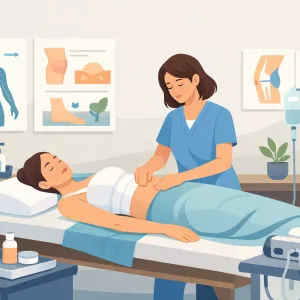
Lymphatic drainage is a gentle hands-on technique designed to stimulate the superficial lymph vessels just beneath the skin. The pressure is very light, rhythmical and deliberate. That surprises many people at first, especially if they are used to deep tissue massage, but it is one of the reasons the treatment can be so effective.
The lymphatic vessels sit close to the surface. Heavy pressure can flatten them, while a lighter, skilled approach helps stretch the vessel walls in a way that encourages lymph to enter and move along the system. The therapist works in a sequence rather than simply massaging wherever swelling appears. Usually this means clearing central pathways first – around areas such as the neck, chest or abdomen – before directing fluid from more congested areas towards healthy drainage points.
That order matters. If fluid is encouraged into an area that is still restricted, it has nowhere useful to go. A trained therapist works with the body’s drainage routes so the treatment supports circulation rather than overwhelming it.
This is also why lymphatic drainage feels different from standard massage. The goal is not to manipulate muscle tissue, break down knots or create soreness afterwards. The aim is to support lymph flow, calm the nervous system and reduce fluid stagnation.
What the lymphatic system actually does
To understand why treatment can help, it is worth looking at the system itself. The lymphatic system collects excess fluid that leaks out of blood capillaries into body tissues. It then carries that fluid through vessels and nodes, where it is filtered, monitored by immune cells and eventually returned to the bloodstream.
Lymph nodes act as checkpoints. They help filter unwanted material and play a role in immune response. That is why lymphatic health is linked not only to swelling but also to recovery, resilience and how the body manages inflammation.
If the system is under strain, the effects can be local or more general. Following surgery, injury or infection, one area may become swollen because normal drainage has been disrupted. In other situations, people feel a broader sense of puffiness, congestion or fatigue. Neither experience should be self-diagnosed, because swelling can have medical causes that need proper assessment, but both show how closely lymph flow is tied to overall wellbeing.
Why lymph flow can become sluggish
There is rarely one single reason. A desk-based routine, limited movement, stress, poor sleep, surgery, inflammation, hormonal shifts, illness, long flights and injury can all affect circulation and tissue fluid balance. Some people are also more prone to fluid retention than others.
For clients managing chronic conditions, the picture may be more complex. Ongoing inflammation, reduced mobility, altered nervous system function and long recovery periods can all contribute to a feeling of stagnation in the body. In these cases, lymphatic drainage is not a cure-all, but it can be one useful part of a broader treatment plan.
That is an important distinction. Good complementary care should not promise that every symptom comes from the lymphatic system, or that one therapy fixes everything. It should assess whether lymphatic support is likely to be relevant and whether it sits appropriately alongside other therapies and medical care.
What happens during treatment
A proper lymphatic drainage session is calm, structured and specific. The therapist will usually begin with an assessment of symptoms, health history and treatment goals. If you have unexplained swelling, active infection, heart issues, kidney concerns, recent cancer treatment or other significant medical factors, these need to be considered before treatment goes ahead.
The hands-on work itself is slow and repetitive, using light stretching motions on the skin rather than firm kneading. Many people find it deeply relaxing. Some notice warmth, swallowing, stomach gurgling, a need to urinate more often afterwards or a feeling of lightness in the treated area.
Results vary. For some, the change is obvious quite quickly, with reduced puffiness, easier movement or less pressure in the tissues. For others, especially where symptoms are chronic, improvement is more gradual and works best as a course of treatment rather than a one-off session.
Who may benefit from lymphatic drainage
This treatment is often used for fluid retention, mild swelling, post-operative support, injury recovery and general feelings of congestion or heaviness. It may also be helpful for people who feel their recovery is slow after illness or who are holding tension and inflammation in a way that affects circulation.
In a clinic setting, it can sit well within broader holistic care. Someone recovering from a sports injury may benefit from treatment that addresses swelling and tissue healing. A client under prolonged stress may respond well because the technique is both circulatory and calming. For those dealing with chronic fatigue or inflammatory patterns, the key is careful pacing and realistic expectations.
There are also times when it may not be the right approach, or not the first one. Significant unexplained swelling should always be medically checked. Acute infection, untreated cardiac issues, some kidney problems and certain clotting risks can make lymphatic drainage unsuitable. A qualified therapist will screen for this rather than simply proceeding.
How lymphatic drainage works best as part of a plan
Lymphatic drainage is rarely about one treatment in isolation. Its effects are often strengthened by what happens between sessions – gentle movement, hydration, breathing, rest and a treatment plan that reflects the bigger picture.
For example, if someone has abdominal bloating, pelvic congestion and high stress, lymphatic work may help but could be even more effective alongside abdominal massage, reflexology or acupuncture, depending on the case. If a client is dealing with chronic fatigue or post-viral symptoms, treatment needs to be measured carefully so the body is supported rather than overstimulated.
This is where practitioner judgement matters. At Willows Clinic, lymphatic drainage sits within a wider therapeutic framework, which means treatment can be tailored rather than applied as a generic wellness routine. For clients with more complex symptoms, that kind of joined-up care is often what makes the difference.
What lymphatic drainage can and cannot do
A good treatment can support fluid movement, reduce a sense of heaviness, help ease mild swelling and encourage relaxation. It may also support recovery after strain, surgery or periods of poor circulation. Many people find they feel clearer, lighter and more comfortable afterwards.
What it cannot do is replace medical care, diagnose underlying disease or guarantee the same outcome for every person. If swelling is related to medication, vascular issues, hormone changes or a systemic condition, lymphatic drainage may help with symptom management but it will not remove the root cause on its own.
That does not lessen its value. It simply places it where it belongs – as a skilled, evidence-informed complementary therapy that can be highly useful when applied for the right reasons and by the right practitioner.
If you have been feeling persistently swollen, heavy or slow to recover, it is worth looking beyond the idea of massage as a treat and towards therapy with a clear clinical purpose. Sometimes gentle, precise treatment is exactly what the body responds to best.