For anyone searching for a fertility reflexology success example, the real question is rarely whether one treatment can create a pregnancy. More often, it is whether regular, skilled support can make an emotionally and physically demanding fertility journey feel more manageable. Fertility reflexology is not a substitute for medical fertility care, but it can sit thoughtfully alongside it, with the aim of supporting relaxation, wellbeing and a stronger sense of connection to your body.
Success looks different for every person. For one client, it may mean feeling calmer through a monitored cycle. For another, it may be better sleep, less tension, a more settled digestive system or simply having a dedicated space to pause each month. Sometimes pregnancy follows a period of integrated care. It is never possible to say that reflexology alone caused that outcome, and a responsible practitioner will not promise this.
A fertility reflexology success example in context
Consider a representative example based on common experiences in fertility practice. A woman in her mid-thirties had been trying to conceive for over a year. She was under the care of a fertility consultant, had completed investigations and was preparing for assisted conception. Her medical appointments were necessary and closely followed, yet she also felt increasingly anxious, slept poorly around key points in her cycle and described her body as being constantly “on alert”.
She chose fertility reflexology as complementary support, attending regular sessions planned around her cycle and treatment timetable. The initial consultation covered her health history, menstrual pattern, medication, stress levels, digestion, sleep and any relevant diagnoses. This matters because fertility support should never be reduced to a generic foot treatment. It needs to be tailored, with clear awareness of where a client is in their cycle and what medical treatment they are receiving.
Over the following weeks, the client reported that the sessions gave her a reliable opportunity to settle. She noticed less shoulder and jaw tension, improved sleep on the nights after treatment and fewer episodes of feeling overwhelmed before appointments. The practitioner adapted the approach when her treatment plan changed and encouraged her to keep her consultant informed.
She later achieved a viable pregnancy following fertility treatment. It would be misleading to present this as proof that reflexology produced the pregnancy. Her outcome was influenced by many factors, including medical assessment, timing, treatment decisions, her individual health and chance. What she felt reflexology contributed was steadiness: she was better able to cope with the process, rest between appointments and feel supported rather than defined by fertility treatment.
That is a meaningful success example. It respects both the value of complementary care and the limits of what it can claim.
What fertility reflexology is designed to support
Fertility reflexology is a focused form of reflexology used during pre-conception care and, where appropriate, alongside medically supervised fertility treatment. Practitioners work on specific areas of the feet that reflexology maps to body systems, while also using the treatment as a whole-body opportunity to encourage deep relaxation.
Clients often seek it when the practical and emotional load of trying to conceive has become exhausting. Tracking ovulation, attending scans, managing medication, navigating disappointing test results and receiving well-meant advice from others can all keep the nervous system in a heightened state. A calm, hands-on treatment cannot remove those pressures, but it can offer a regular point of care within them.
The benefits people most commonly value are improved relaxation, a sense of calm, better sleep and reduced muscular tension. Some clients also find that regular appointments help them notice patterns in their cycle and articulate concerns they have been carrying alone. These wellbeing benefits can be worthwhile whether conception happens that month, later on or through a different route to parenthood.
Why an integrated plan matters
Fertility is complex. Age, ovulation, sperm health, tubal factors, endometriosis, polycystic ovary syndrome, thyroid conditions, pelvic health and unexplained infertility can all affect the picture. Stress can make the experience harder, but it is not the reason someone has not conceived. No woman should be made to feel that she has failed to relax her way to pregnancy.
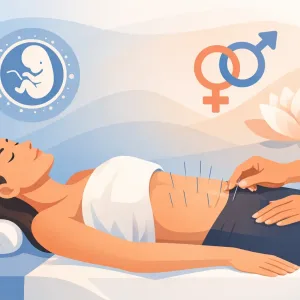
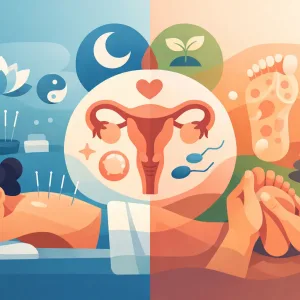
For that reason, the strongest complementary plans are integrated rather than overpromised. At Willows Clinic, fertility support may bring together fertility reflexology with acupuncture, cranial sacral therapy or pelvic alignment work when appropriate to the individual. The choice depends on the client’s history, symptoms, goals and medical pathway, not on a fixed package.
This approach also gives treatment a practical structure. A client trying naturally may choose regular sessions over several cycles, with adjustments as their needs change. Someone preparing for IVF may benefit from sessions that fit around the stages of their consultant-led protocol, with close attention to comfort and emotional wellbeing. If a pregnancy test is positive, care should change accordingly and pregnancy-specific guidance should be followed.
What a well-managed appointment should include
A fertility reflexology session should begin with listening. Before treatment, the practitioner needs to understand where you are in your fertility journey, whether you have received a diagnosis, the medication or supplements you use, and whether you are working with a GP, consultant or fertility clinic.
The treatment itself is usually gentle and deeply relaxing. You remain clothed while the practitioner works on the feet using controlled pressure techniques. A good session is not about intensity or “pushing through” discomfort. You should feel comfortable, warm and able to communicate throughout.
The conversation after treatment is equally useful. A qualified practitioner may discuss how you felt during the session, any changes in sleep or stress, and how to plan the next appointment around your cycle or medical treatment. They should not tell you to stop prescribed medication, delay investigations or choose complementary therapy instead of specialist fertility advice.
How to judge success without placing pressure on yourself
Pregnancy is understandably the outcome many clients hope for. Yet judging every appointment only by a pregnancy test can make an already difficult process feel even more pressured. A broader view of progress is kinder and more realistic.
You might notice that you are sleeping more consistently, recovering more quickly after an upsetting appointment or finding it easier to switch off in the evening. You may feel more prepared to ask your consultant questions, better able to manage the waiting period after ovulation or embryo transfer, or less physically tense. None of these changes guarantees conception, but they are genuine improvements in wellbeing during a demanding time.
It is also reasonable to decide that reflexology is not right for you. Some people prefer a different type of support, have a treatment schedule that is too busy, or do not find hands-on therapy relaxing. The right plan is the one that feels safe, manageable and aligned with your medical care and personal preferences.
Safety, honesty and realistic expectations
Choose a practitioner with recognised reflexology training and specific experience of fertility support. They should take a full case history, understand when treatment needs modifying and be comfortable working alongside conventional care. Be particularly clear about IVF, IUI, ovulation induction, recurrent miscarriage, ectopic pregnancy history, anticoagulant medication, diabetes, foot injuries or any new symptoms.
Seek medical advice promptly for severe pelvic pain, heavy bleeding, fever, fainting, sudden swelling or concerns in early pregnancy. Reflexology is supportive care, not a diagnostic tool or emergency treatment.
The most reassuring fertility reflexology success example is not a dramatic promise. It is a person receiving skilled, compassionate care that recognises the complexity of fertility, protects their safety and helps them feel more supported while they take their next informed step.