When you are trying to conceive, even ordinary physical discomfort can feel much bigger. A tight lower back, recurring hip pain, a sense of pelvic heaviness or a body that never seems able to relax may add another layer of strain to an already emotional process. Pelvic alignment fertility care is a gentle, hands-on complementary approach designed to address restrictions and tension around the pelvis while supporting comfort, relaxation and overall wellbeing.
It is not a replacement for fertility testing, medical treatment or specialist reproductive care. It can, however, be a considered part of an integrated plan for people who want personalised physical support as they prepare for pregnancy, are having fertility treatment, or are managing the physical effects of stress, previous injury or menstrual discomfort.
What pelvic alignment fertility care involves
The pelvis is a central meeting point for the spine, hips, abdominal wall and pelvic floor. It also has a close physical relationship with the structures of the lower abdomen. When the muscles and connective tissues around this area are holding tension, or when movement through the hips and lower back is restricted, it can affect posture, comfort and how freely the body moves.
Pelvic alignment treatment uses careful assessment and gentle manual techniques to work with these patterns. The aim is not to force the body into a supposedly perfect position. Bodies are naturally asymmetrical, and a successful treatment is not about chasing a textbook posture. Instead, the practitioner looks at how your pelvis, hips, sacrum, lower back and surrounding soft tissue are functioning together.
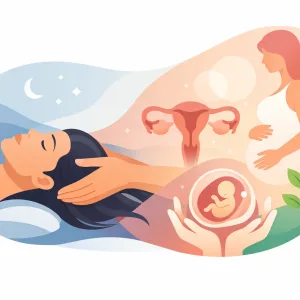
A session may include light mobilisation, soft-tissue work, abdominal massage where appropriate, and techniques to release holding patterns through the lower back, buttocks, hips and upper legs. Treatment is adapted to your health history, symptoms, cycle stage and comfort level. You should always feel informed, respected and able to say no to any part of treatment.
Why pelvic comfort can matter when trying to conceive
Fertility is complex. Age, ovulation, sperm health, fallopian tube function, endometriosis, fibroids, thyroid health and many other factors can influence the chance of conception. Pelvic alignment cannot correct every cause of infertility, and ethical fertility care should never suggest otherwise.
What it may offer is support for the physical environment in which you are living day to day. Persistent tension and pain can make it harder to sleep well, exercise comfortably, sit at work or find moments of genuine rest. For someone navigating timed intercourse, investigations, assisted conception or pregnancy loss, that physical load can become exhausting.
Gentle pelvic work may help ease muscular tightness, improve movement through the hips and lower back, and encourage a greater sense of ease in the abdomen and pelvis. Many clients also value the protected time to slow down and reconnect with their body without being rushed. These outcomes do not guarantee conception, but they can be meaningful when fertility care is approached as whole-person support.
Circulation, mobility and relaxation
Hands-on treatment is often used to encourage healthy circulation in soft tissues and reduce areas of congestion or muscular guarding. When the body is less braced, movement may feel easier and the nervous system may find it easier to settle.
That said, the right approach depends on the person. Some clients have very mobile joints and need stability rather than more release. Others have a history of pelvic surgery, endometriosis, injury or trauma that calls for an especially gradual plan. A skilled practitioner works with these differences rather than applying the same sequence to everyone.
Who may benefit from pelvic alignment support?
Pelvic alignment fertility care can be suitable for women who are preparing to try for a baby, have been trying for some time, or are receiving medical fertility support. It may be particularly relevant where there is lower-back ache, hip tightness, sacral discomfort, postural strain, abdominal tension or a history of physical injury affecting the pelvis.
It can also be helpful for those who feel their body has become disconnected from the fertility process. Medical appointments can necessarily focus on scans, blood results, medication and timelines. Complementary treatment creates space to address how you are actually feeling physically, without reducing you to a diagnosis or a cycle outcome.
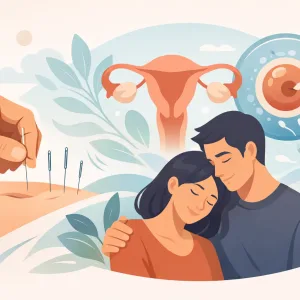
At Willows Clinic, fertility support is considered as an integrated programme rather than a single isolated treatment. Depending on your needs, pelvic alignment may sit alongside acupuncture, fertility reflexology, cranial sacral therapy or abdominal massage. Each modality has a different purpose, and combining treatments should be based on a clear assessment rather than a fixed package.
What happens at your first appointment?
Your first session should begin with a detailed conversation. Your practitioner will ask about your fertility journey, menstrual cycle, previous pregnancies, surgeries, diagnoses, medication, injuries and current symptoms. This information helps determine whether pelvic alignment is appropriate and whether any elements of treatment need to be modified.
You may then have a simple postural and movement assessment. This is not a judgement of how you stand or a search for faults. It helps identify where you may be compensating, such as loading one hip more heavily, holding your lower back rigidly or limiting movement after a previous injury.
Treatment is usually carried out with you fully involved in the process. Your practitioner should explain what they are doing, check in regularly and adjust pressure as needed. Some areas may feel tender where there is longstanding tension, but treatment should not feel aggressive or leave you feeling overwhelmed.
Afterwards, you may notice that you feel lighter, more mobile or deeply relaxed. Occasionally, people feel temporarily tired as their body settles. Drinking water, avoiding overexertion that evening and paying attention to any changes in comfort can be useful. Your practitioner may also suggest gentle movement, breathing practices or adjustments to daily posture between sessions.
Timing treatment around your cycle and fertility treatment
The timing of pelvic work matters. A tailored plan considers whether you are trying naturally, in an IUI or IVF cycle, recovering from a procedure, or waiting for a pregnancy test. Techniques that are appropriate before ovulation may not be suitable after embryo transfer or during early pregnancy.
Open communication is essential. Tell your practitioner about medication, planned procedures, bleeding, pain and any advice you have received from your fertility consultant. If you become pregnant, your treatment plan should be reassessed and adapted to support you safely through early pregnancy rather than continuing automatically.
This is one reason fertility-focused pelvic care should not be treated as a general massage appointment. It requires a practitioner who understands when to work gently, when to pause and when to refer back to your GP, consultant or fertility clinic.
When to seek medical advice first
Complementary care works best alongside appropriate medical support. New or severe pelvic pain, heavy bleeding, fever, unexplained weight loss, pain during sex, dizziness, a positive pregnancy test with pain or bleeding, and symptoms of ectopic pregnancy all require urgent medical assessment.
You should also speak with your GP or fertility specialist if you have known endometriosis, fibroids, ovarian cysts, pelvic inflammatory disease, a recent operation, recurrent miscarriage or are undergoing fertility treatment. These conditions do not always rule out hands-on therapy, but they do affect what is safe and appropriate.
A responsible practitioner welcomes medical collaboration. The goal is not to make competing promises, but to provide supportive care that fits around the clinical information and treatment decisions already guiding your fertility journey.
Choosing the right practitioner
Look for a practitioner who takes a full case history, explains the limits of treatment clearly and has specific experience in fertility and pelvic health. They should be comfortable discussing consent, adapting treatment around your cycle and working alongside medical care.
Be wary of claims that pelvic alignment alone can resolve infertility, guarantee pregnancy or replace investigations. Fertility outcomes are influenced by many factors, and no hands-on therapy can offer certainty. The value of treatment lies in thoughtful, individual support for your comfort, mobility and wellbeing throughout the process.
Trying for a baby can make life feel as though it is measured in dates, results and waiting. A carefully planned course of pelvic support can offer something more immediate: a body that feels more comfortable, better understood and more able to carry you through the next step.