Cupping vs acupuncture is not simply a choice between two traditional therapies. Although both are commonly used to support pain relief, physical recovery and general wellbeing, they work in distinctly different ways. The right option depends on what is driving your symptoms, your health history and whether your priority is muscular tension, stress, circulation, energy, fertility support or a longer-term condition.
At Willows Clinic, treatment is never approached as a one-size-fits-all solution. A careful consultation helps identify the most appropriate therapy, or whether a considered combination may offer better support.
Cupping vs acupuncture: the key difference
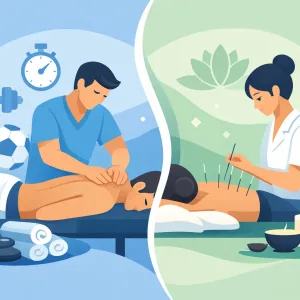
Acupuncture involves the insertion of very fine, sterile needles at specific points on the body. In traditional Chinese medicine, these points are selected to influence the flow of Qi and restore balance within the body. From a modern therapeutic perspective, acupuncture may also affect local circulation, muscle activity and the nervous system’s response to pain.
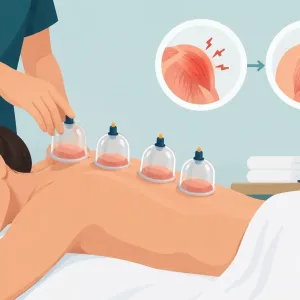
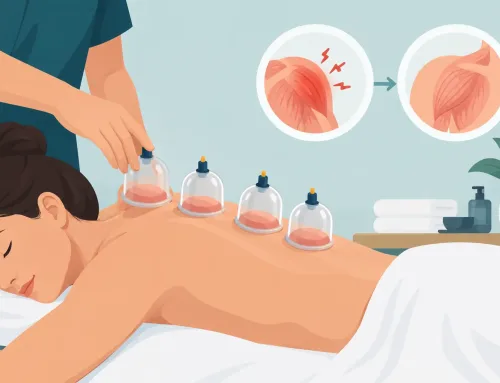
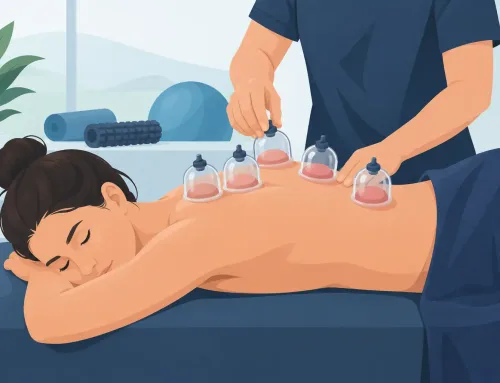
Cupping uses glass, silicone or plastic cups to create suction on the skin. This gently lifts the tissues beneath the cup rather than pressing down on them, as massage does. The treatment is often used over the back, shoulders, hips, legs or other areas of muscular tightness. Cups may be left in place for several minutes or moved carefully across the skin with oil.
Put simply, acupuncture works through targeted needle stimulation at selected points, while cupping creates suction across a broader area of soft tissue. Both can be valuable, but they suit different presentations and treatment goals.
When acupuncture may be the better choice
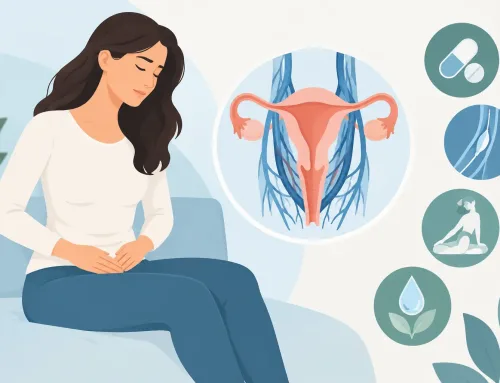
Acupuncture is often chosen when symptoms are persistent, recurrent or linked to more than one body system. Rather than treating an isolated tight muscle alone, a practitioner can select points based on the wider pattern of symptoms, including sleep disruption, stress, fatigue, digestive discomfort or menstrual concerns.
For musculoskeletal issues, acupuncture may help reduce pain sensitivity and support the release of guarded or overactive muscles. It can be useful for neck and shoulder tension, back pain, headaches, sports-related strains and recovery where mobility has been restricted. Results vary, particularly where pain has been present for a long time, but a course of treatment allows the practitioner to assess how your body responds and adapt accordingly.
Acupuncture is also widely used as complementary support for fertility and pregnancy care. In this context, treatment is tailored with particular care, taking account of cycle timing, medical history, emotional stress and any assisted conception plan. It should complement, rather than replace, fertility or maternity care from your medical team.
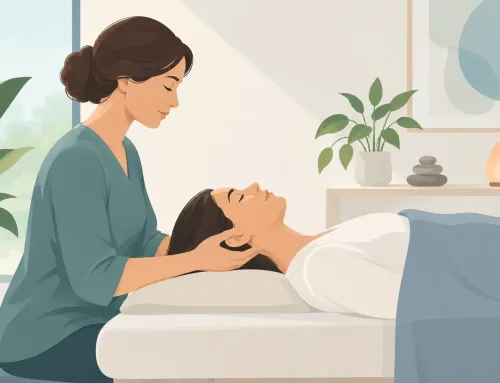
Many people find acupuncture deeply calming. This can be particularly relevant when ongoing discomfort, poor sleep or health worries have left the nervous system feeling constantly switched on. Needles are extremely fine, and treatment should not feel sharply painful, although a brief sensation of heaviness, tingling or warmth can occur.
When cupping may be the better choice
Cupping is frequently helpful when the main issue is localised muscular congestion, stiffness or a feeling that the body is simply not moving freely. It is a popular addition to sports injury support and physical recovery because it can be applied directly to larger muscle groups, such as the upper back, glutes, hamstrings and calves.
People often choose cupping for stubborn shoulder tension, postural strain, tightness after training or areas that feel restricted following long periods at a desk. The lifting effect can create a strong stretch through the superficial tissues, which some clients find more relieving than pressure-based massage. It can also be used alongside hands-on therapy where appropriate.
The most visible difference is that cupping often leaves temporary circular marks. These are not bruises in the usual sense, but a response to the suction and increased local blood flow. Their colour and duration vary considerably, and they can last from a few days to around two weeks. This is an important practical consideration if you have an event, holiday or work situation where you would prefer not to have visible marks.
Cupping is not necessarily the best option for acute inflammation, irritated skin or unexplained swelling. A skilled practitioner will assess the area before treatment rather than applying cups automatically because a muscle feels sore.
Can cupping and acupuncture be used together?
Yes. For some clients, combining treatments makes clinical sense. Acupuncture may be used to address pain, stress, sleep or a wider pattern of symptoms, while cupping can focus on a specific area of muscular restriction. This can be particularly useful in recovery plans for recurring back, shoulder or sports-related problems.
However, combining therapies is not always better. If you are very sensitive to treatment, fatigued, new to complementary therapies or experiencing a flare-up of symptoms, a gentler approach may be more suitable. The aim is not to do the most treatment possible in one appointment. It is to choose an approach your body can respond to comfortably and safely.
What does the evidence say?
Both therapies have long traditional histories and are used by many people for pain and wellbeing support. Research on acupuncture is broader than research on cupping, particularly for certain pain conditions, nausea and headache-related concerns. Even so, outcomes are individual and research findings do not guarantee a particular result for every person.
Evidence for cupping is more limited and varies according to the condition being studied. Some people report meaningful short-term relief in muscular pain and stiffness, while others find the effects modest or temporary. This does not make it ineffective for an individual, but it does mean that honest assessment matters. A qualified practitioner should review your progress and adjust the plan if a treatment is not helping.
Neither acupuncture nor cupping should be presented as a cure for serious illness. They are complementary therapies that may support comfort, function, recovery and wellbeing alongside appropriate medical diagnosis and care.
Safety and suitability before treatment
A proper consultation is essential for both treatments. Your practitioner should ask about your symptoms, medications, relevant diagnoses and any recent medical procedures. This is especially important if you are pregnant, trying to conceive, taking blood-thinning medication, have a bleeding disorder, have reduced skin sensation or have a history of fainting.
Acupuncture should only be carried out with single-use sterile needles by a properly trained practitioner. Mild temporary effects can include slight bleeding at a needle site, bruising, tiredness or light-headedness. Cupping should not be applied over broken skin, active rashes, infections or areas where circulation is compromised. The treatment should be modified or postponed if it is not appropriate on the day.
Seek medical advice promptly for severe, sudden or unexplained pain, chest pain, significant weakness, fever, new neurological symptoms or changes in bladder or bowel control. Complementary treatment is most effective when it sits within safe, informed care.
How to choose between them
Start with the outcome you want to work towards. If you are dealing with broader symptoms such as stress, sleep difficulties, cyclical concerns, headaches or persistent pain, acupuncture may offer the more individualised framework. If your primary concern is a tight, sore or restricted muscle group, particularly after exercise or prolonged postural strain, cupping may be a practical option.
Your preference matters too. Some clients dislike the idea of needles but are comfortable with cupping. Others prefer acupuncture because they do not want temporary marks on their skin. Neither response is wrong, and treatment should feel manageable as well as clinically appropriate.
The most useful next step is a consultation with a qualified practitioner who will listen to the full picture, explain the likely benefits and limitations, and recommend treatment with clear reasoning. When therapy is matched to your needs rather than selected from a menu, it has a better chance of supporting the progress you want to make.