A calf that tightens halfway through a run, a shoulder that will not settle after desk work, or a recurring hamstring strain can all raise the same question: should you choose sports massage vs acupuncture? Both treatments can form a valuable part of recovery, but they work in different ways. The right choice depends on what is driving your symptoms, how your body is responding and what you need to return to.
For some people, targeted hands-on work is the most direct route to freer movement. For others, acupuncture is better suited to persistent pain, muscular tension or a nervous system that seems stuck in a guarded state. Often, the most effective plan is not an either-or decision, but carefully timed treatment that combines approaches.
Sports Massage vs Acupuncture: The Main Difference
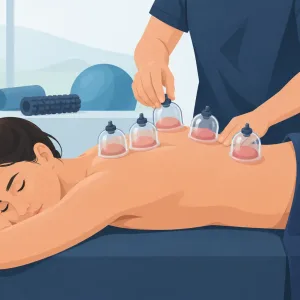
Sports massage is a practical, hands-on treatment focused on muscles and soft tissues. A therapist uses techniques such as deep tissue work, compression, stretching and mobilisation to assess and address areas of tightness, overload and restricted movement. Despite its name, it is not only for competitive athletes. It can be appropriate for anyone whose body is under physical strain, whether that comes from gym training, running, manual work, long hours at a desk or a sudden increase in activity.
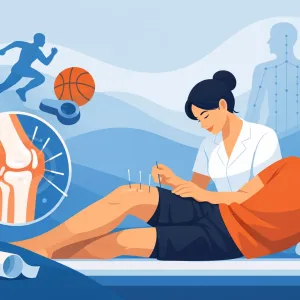
Acupuncture involves the placement of very fine, sterile needles at specific points on the body. In a treatment setting, it may be used to support pain relief, ease muscular tension, encourage relaxation and help regulate the body’s response to stress. Rather than manually working through a tight muscle, acupuncture aims to influence the wider patterns that may be contributing to pain, stiffness or poor recovery.
The difference is therefore not simply pressure versus needles. Sports massage is often more local and mechanical in its focus, while acupuncture can be especially useful where pain is persistent, widespread or influenced by stress, sleep disruption and nervous system sensitivity.
When Sports Massage May Be the Better Fit
Sports massage is often a strong choice when you can identify a specific physical issue: a heavy, tight feeling after training; reduced range through a joint; soreness that lingers after a race; or a muscle that feels overworked compared with the other side. Your therapist can assess the quality of the tissue, identify compensations and tailor pressure to your tolerance and stage of recovery.
It may help to reduce the feeling of tightness and improve short-term mobility, particularly when combined with sensible loading, rest and rehabilitation exercises. It can also be useful before an event, though pre-event work should be lighter and more stimulating than a deep recovery session. Very deep treatment immediately before demanding exercise is rarely the best option.
Sports massage can be particularly valuable for people returning to activity after a period of reduced movement. A runner rebuilding mileage, a parent carrying a young child, or someone returning to the gym after illness may all develop patterns of overuse before they notice a clear injury. Early treatment can help identify what needs attention before a minor restriction becomes more limiting.
That said, massage should not be used to push through acute injury. A fresh tear, significant swelling, unexplained bruising, suspected fracture or severe pain needs appropriate medical assessment. In the first stages after an injury, the body may need protection and a clear diagnosis before deep soft-tissue work is considered.
What a sports massage appointment can involve
A well-planned appointment begins with questions, not pressure. Your practitioner should ask about the onset of symptoms, training volume, previous injuries, medical history and what makes the problem better or worse. They may observe movement, compare both sides of the body and explain where tension or compensation appears to be occurring.
Treatment should feel purposeful, not punishing. Some tenderness can be expected when a sensitive area is worked on, but bruising and intense pain are not signs of a better result. The goal is to leave you with a clearer sense of movement and a realistic plan for the days ahead.
When Acupuncture May Be the Better Fit
Acupuncture may be especially worth considering when pain has become persistent or when muscular tension returns quickly despite stretching, rest or massage. It can be a supportive option for neck and shoulder tension, lower back discomfort, hip pain, headaches linked with tension, and other musculoskeletal concerns where the body seems unable to fully switch out of protection mode.
It may also suit people whose recovery is being affected by poor sleep, stress or fatigue. These factors do not make pain less real. They can change how strongly the nervous system experiences and responds to it. Acupuncture offers a calm treatment environment and may support relaxation alongside its work on local discomfort.
Many clients are concerned that acupuncture will hurt. The needles are much finer than those used for injections, and sensations vary. You may feel a brief pinch, warmth, heaviness, tingling or a dull sensation around a point. Your practitioner should explain the process, check your comfort throughout and adapt the treatment if you feel anxious or sensitive.
Acupuncture is not an instant cure for every injury. Its effects can be gradual, and the recommended number of sessions depends on the condition, its duration and your wider health. It is most useful when it forms part of a considered plan rather than a one-off attempt to remove pain before returning to the exact activity that caused it.
Choosing Treatment for an Injury or Ongoing Pain
A useful starting point is to consider the dominant feature of your problem. If it feels local, mechanical and clearly linked to recent physical demand, sports massage may be the logical first treatment. Think of a tight calf after hill training, a stiff upper back after lifting, or restricted glutes after prolonged sitting.
If your pain is more longstanding, changeable or accompanied by disrupted sleep, stress and general tension, acupuncture may offer broader support. This does not mean the issue is “all in your head”. It means recovery may require attention to more than the muscle itself.
There are also situations where neither treatment should be the first step. New numbness or weakness, loss of bladder or bowel control, severe unrelenting pain, fever, a hot swollen joint, chest pain or a sudden unexplained change in symptoms requires urgent medical advice. A responsible complementary therapist will recognise when referral is needed.
Can You Have Sports Massage and Acupuncture Together?
Yes. Combining sports massage and acupuncture can be a sensible option when an injury has both a local tissue component and a wider pattern of tension or pain sensitivity. Massage can address restricted soft tissue and movement, while acupuncture may help settle discomfort and encourage a more relaxed response in the body.
The timing matters. A practitioner may suggest beginning with gentler treatment when an area is highly irritable, then introducing more focused massage as symptoms settle. Alternatively, massage may be the foundation for a clear overload pattern, with acupuncture added when progress has stalled or stress is affecting recovery.
At Willows Clinic, treatment is guided by a thorough consultation and your response over time. The aim is not to fit you into a standard protocol, but to understand the demands on your body and select techniques that are appropriate for your current stage of recovery.
What Helps Treatment Work Better
Neither sports massage nor acupuncture can replace the foundations of recovery. If the problem arose because training increased too sharply, an effective plan may include reducing load temporarily, improving warm-ups, adjusting technique or building strength in under-supported areas. If desk posture is contributing, regular movement breaks and an appropriate home exercise programme may matter as much as the treatment itself.
Be honest with your practitioner about your activity, medication and health history. Mention blood-thinning medication, bleeding disorders, pregnancy, recent surgery, skin infections and any serious medical condition. These details help your therapist determine whether treatment needs to be adapted or postponed.
Pay attention to your response after a session too. You may feel relaxed, mildly tender or temporarily tired, particularly after deeper massage or your first acupuncture treatment. Drink water, avoid unusually intense activity if advised, and give your body a little time to respond. A good treatment plan includes reassessment, not repeated appointments without a clear reason.
The best choice is the one that matches your symptoms, your health history and your goals. If you want to move more freely after a specific physical strain, sports massage may provide the direct support you need. If persistent discomfort, tension or stress is shaping your recovery, acupuncture may be the more appropriate starting point. A qualified practitioner can help you make that decision with care, then build treatment around getting you back to the activities that matter to you.