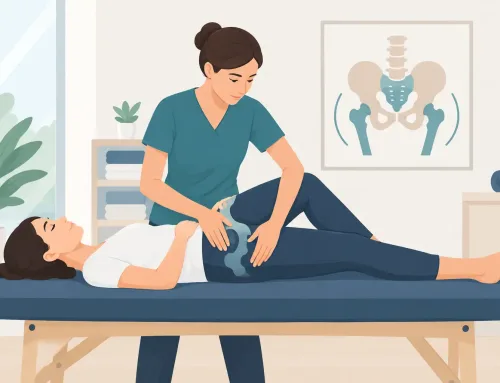
A cough, a run for the bus, lifting a toddler or simply reaching the front door before your bladder does – these are the moments that can make pelvic floor weakness feel far more disruptive than it sounds. Learning how to improve pelvic strength is not only about preventing leaks. It can support bladder and bowel control, sexual wellbeing, postnatal recovery, pelvic comfort and confidence in everyday movement.
The pelvic floor is a working part of the body, not a muscle group to squeeze endlessly in isolation. It responds best to the right balance of strength, relaxation, breathing, posture and professional assessment when symptoms persist. For some people, more tightening is helpful. For others, particularly those with pelvic pain or an overactive pelvic floor, it may make symptoms worse.
What pelvic strength means
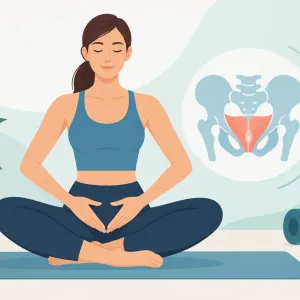
The pelvic floor is a layered group of muscles and connective tissues at the base of the pelvis. It supports the bladder and bowel, and in women it also supports the uterus. These muscles work with the diaphragm, deep abdominal muscles, hips and back to manage pressure when you move, cough, laugh, lift or exercise.
Good pelvic strength is therefore not simply the ability to perform a hard contraction. It means the muscles can contract when needed, hold for an appropriate length of time, relax fully afterwards and respond quickly to sudden pressure. A strong but permanently tense pelvic floor is not functioning optimally.
Weakness can develop after pregnancy and birth, hormonal change around menopause, pelvic surgery, constipation, chronic coughing, heavy lifting, high-impact exercise or long periods of inactivity. Men can also experience pelvic floor changes, particularly following prostate surgery, with ageing, or alongside persistent pelvic tension and bladder symptoms.
Start by recognising the signs
Bladder leakage during exercise, coughing or sneezing is a common sign that the pelvic floor may need attention. Other possible signs include a frequent or urgent need to pass urine, difficulty controlling wind or bowel motions, a feeling of heaviness or dragging in the vagina, reduced sensation during intimacy, or a sense that core exercise is not providing stable support.
Symptoms do not automatically mean you have weak muscles. Urgency can be influenced by bladder habits, caffeine, fluid intake, stress and constipation. Pelvic heaviness can be associated with prolapse and should be assessed, particularly if it is new, worsening or affecting daily life. Pain with penetration, persistent pelvic pain, or difficulty emptying the bladder or bowel can point to excessive muscle tension rather than weakness.
If you have sudden loss of bladder or bowel control, numbness around the genitals or anus, new severe back pain, blood in the urine, unexplained pelvic pain or a noticeable vaginal bulge, seek prompt medical advice. These symptoms need proper clinical assessment rather than self-treatment.
How to improve pelvic strength with correct exercises
Pelvic floor exercises are often called Kegels, but the technique matters more than the name. Begin by identifying the muscles: imagine stopping the flow of urine and preventing wind at the same time. You should feel a gentle lift and squeeze internally, without clenching the buttocks, thighs or jaw.
Do not practise by repeatedly stopping urine mid-flow. This can interfere with normal bladder emptying and is only occasionally useful as a one-off way to recognise the sensation.
Combine slow holds with quick responses
A practical starting point is to gently lift the pelvic floor, hold for a few seconds while breathing normally, then release completely for at least the same amount of time. Build gradually towards longer holds only if you can maintain a comfortable, even contraction without holding your breath or bearing down.
Also include quicker contractions. A brief lift before a cough, sneeze, laugh or lift can help the pelvic floor anticipate pressure. This is sometimes called ‘the knack’. It is a useful everyday skill, but it does not replace a consistent strengthening programme.
Quality is more valuable than high repetition. If the muscles begin to tremble, tighten elsewhere, or fail to release, stop and rest. Most people benefit from regular practice over several months, rather than trying to force rapid improvement in a week or two.
Breathe instead of bracing
Breath-holding creates downward pressure through the abdomen and pelvis. As you inhale, allow the ribs and abdomen to expand gently. On the exhale, imagine the pelvic floor lifting softly. This coordination helps the pelvic floor work with your diaphragm rather than against it.
Avoid constantly pulling your stomach in. The deep abdominal muscles should support movement, but gripping them all day can restrict breathing and increase pelvic tension. A body that can relax is often better able to generate useful strength when it is needed.
Build strength into everyday movement
Pelvic strength improves when exercises transfer into real life. Exhale as you stand from a chair, lift shopping bags or rise from the floor. Keep loads close to your body and avoid straining through constipation, as repeated bearing down can place significant pressure on the pelvic floor.
Walking, swimming, controlled resistance training and Pilates-style movement can all be helpful when adapted to your symptoms and fitness level. Running, jumping and heavy lifting are not automatically off limits, but they may need to be reintroduced gradually. If they trigger leakage, heaviness or pain, that is useful feedback that your body needs more support, different technique or a temporary reduction in impact.
Support the factors that can undermine progress
A pelvic floor programme works better when the wider drivers of pressure and irritation are addressed. Constipation is particularly relevant. Aim for regular bowel habits, adequate fluids and a diet that supports comfortable stools. Avoid straining and consider using a small footstool to create a more natural position on the toilet.
Bladder habits matter too. Going ‘just in case’ very frequently can train the bladder to signal urgency at low volumes, while drinking too little can make urine more concentrated and irritating. Gradual, sensible changes are usually more effective than restricting fluids. Caffeine, alcohol and fizzy drinks can worsen urgency for some people, although tolerance varies.
During pregnancy and after birth, personalised guidance is especially valuable. The pelvic floor may be stretched, bruised or recovering from stitches, a tear, forceps delivery or Caesarean birth. Gentle reconnection and breathing may be appropriate early on, while high-impact training should wait until recovery, symptoms and professional advice support it.
When specialist support makes the difference
Many people are unsure whether they are contracting the right muscles. Others have practised faithfully without change because their pelvic floor needs relaxation, more precise coordination, or support for related issues such as scar tissue, posture, abdominal tension or pelvic alignment.
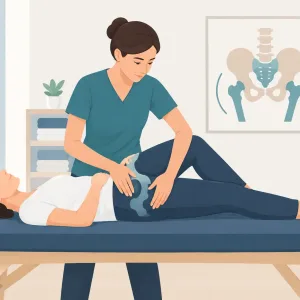
A qualified pelvic health physiotherapist is often the most appropriate first point of assessment for incontinence, prolapse, pelvic pain and postnatal rehabilitation. They can assess function, tailor exercise dosage and advise on safe return to activity. Your GP can also investigate urinary symptoms, infections, medication effects and other medical causes.
Complementary therapies can sit alongside this care where appropriate. At Willows Clinic, Better Pelvi chair electromagnetic therapy may be considered as part of a tailored pelvic wellbeing plan. The treatment uses focused electromagnetic stimulation to encourage pelvic floor muscle contractions without an internal device or changing clothes. It can be a practical option for people who struggle to identify or consistently activate the muscles, but it should not be presented as a substitute for assessment where symptoms are significant, painful or changing.
The best plan depends on your history. Someone recovering after childbirth may need gradual strengthening and scar-aware support. Someone with pelvic pain may first need to learn how to release and lengthen the muscles. Someone managing leakage during sport may need strength, impact progression and lifting technique together.
Give your body time to respond
Pelvic floor muscles are muscles, and meaningful change is usually gradual. Many people notice improved awareness first, followed by better control during coughs, exercise or urgent moments. Keeping a simple note of leaks, urgency, heaviness or confidence during activity can make progress easier to spot than relying on memory alone.
Be patient, but do not accept ongoing symptoms as something you simply have to live with. Pelvic health deserves the same informed, individual attention as any other part of physical recovery. A careful assessment and a consistent plan can help you move, exercise and live with greater comfort and confidence.