The circular marks left after a treatment can look dramatic, particularly if you have not had cupping before. So, does cupping cause bruising? Cupping can leave temporary discolouration that resembles a bruise, but it is not always the same as an injury-related bruise. The marks are a recognised response to suction on the skin and underlying soft tissue, and a qualified practitioner should explain what to expect before treatment begins.
At Willows Clinic, cupping is approached as a focused hands-on therapy, not a one-size-fits-all wellness treatment. The strength of the suction, the areas treated and whether cupping is appropriate at all should be guided by your health history, current symptoms and recovery goals.
Does Cupping Cause Bruising or Temporary Marks?
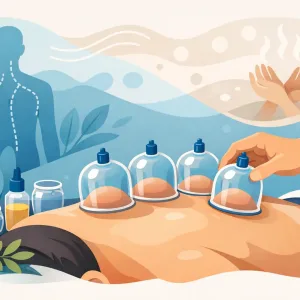
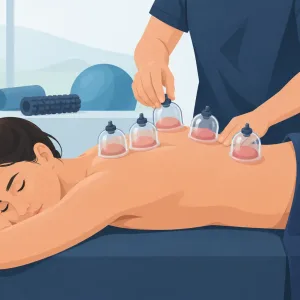
During dry cupping, a practitioner places cups on the skin and creates a vacuum. This gently lifts the skin and superficial tissues rather than applying downward pressure as massage does. The resulting suction increases local circulation and may leave round red, purple or deeper-coloured marks where the cups were placed.
These marks are often described as cupping bruises, but they develop differently from the bruises caused by a knock or fall. A conventional bruise usually occurs when a force damages small blood vessels beneath the skin. With cupping, the suction can draw blood towards the surface and cause tiny vessels to react, creating visible discolouration. The skin is not normally broken during dry cupping.
The appearance can vary widely. Some clients have faint pink circles that settle within a day or two. Others develop darker purple marks that take a week or, occasionally, up to two weeks to fade. Darker marks do not automatically mean the treatment was better, nor do they necessarily mean that anything has gone wrong. They more often reflect individual factors such as skin sensitivity, circulation, hydration, the intensity of suction and the length of time the cups remained in place.
Why Are Cupping Marks Darker for Some People?
Your body’s response is individual. People who are fair-skinned may notice colour changes more clearly, while deeper marks can also be more visible after a first session or when an area is particularly tight and sensitive. The upper back, shoulders and thighs are common treatment areas where marks may be more noticeable.
Medication and medical history matter too. Blood-thinning medicines, anti-inflammatory medication, corticosteroids and supplements that affect clotting can increase the likelihood of bruising or prolonged marks. Easy bruising, fragile skin, bleeding disorders, diabetes, active skin conditions and certain circulatory concerns all need to be discussed before treatment.
This is why a thorough consultation is more than a formality. An experienced therapist can reduce suction, shorten the application time, choose an alternative area or recommend a different therapy where cupping is not the right choice. For someone recovering from training or muscular restriction, a tailored approach may include cupping alongside appropriate massage or acupuncture techniques, rather than relying on high-intensity cupping alone.
Moving Cups Versus Stationary Cups
Not every cupping technique leaves the same type of mark. With stationary cupping, cups are left in place for a short period, making round marks more likely. With moving cupping, a small amount of oil is applied and the cup is glided across the skin. This can create temporary redness over a broader area rather than clearly defined circles.
Neither method should be uncomfortable to the point of distress. You may feel pulling, warmth or a firm stretching sensation, but sharp pain, burning, numbness or intense discomfort should be reported immediately. Treatment should be adjusted in real time, not endured because you assume marks are required for a result.
How Long Do Cupping Marks Last?
Most cupping marks gradually fade within three to ten days. Their colour may change as they resolve, often becoming lighter red, brownish or yellow-green before disappearing. This can be normal, much like the changing colour of an ordinary bruise.
The practical consideration is timing. If you have a wedding, a holiday, an important presentation or an event where shoulders, back or legs will be visible, allow enough time before treatment. Your practitioner can also work with lower suction if minimising visible marks is a priority, although this may affect the technique selected for your treatment plan.
To support normal recovery, drink water, keep the area comfortably warm and avoid very hot baths, saunas and vigorous exercise for the rest of the day if your practitioner advises it. Do not aggressively massage, scrub or apply strong products to the marks. Gentle movement and normal daily activity are usually fine, provided you feel well.
When Cupping Marks Need Attention
Temporary discolouration is expected after cupping, but it should not be dismissed without thought. Contact your practitioner for advice if the area becomes increasingly painful, hot, swollen or blistered, or if you notice broken skin, a spreading rash or signs of infection. Seek prompt medical advice for severe pain, unusual bleeding, dizziness, shortness of breath or any reaction that concerns you.
Cupping should not be performed over open wounds, sunburn, active infection, inflamed skin, varicose veins or areas with impaired sensation unless a suitably qualified healthcare professional has advised otherwise. It may also need to be postponed during acute illness or fever.
If you are pregnant, undergoing fertility treatment, managing a chronic health condition or taking prescription medication, mention this at the outset. Cupping may still be suitable in some circumstances, but the placement, pressure and overall treatment plan require careful consideration. Complementary therapy works best when it respects the full clinical picture and, where necessary, sits alongside advice from your GP, consultant or physiotherapist.
Is It Possible to Have Cupping Without Marks?
Yes. It is possible to receive gentler cupping and have little or no visible marking afterwards. Some clients prefer this because of work, social plans or simply personal comfort. Others are more concerned with reducing muscular tightness or supporting recovery and are comfortable with temporary marks.
The absence of marks does not mean a session has failed, and more intense marks do not prove that a session has been more effective. A skilled treatment is measured by appropriate technique, your response during and after the session, and whether the approach supports your individual goals. This is especially relevant when cupping forms part of care for sports recovery, persistent muscular tension or physical restriction.
Before Your Appointment
Arrive well hydrated, wear clothing that gives easy access to the treatment area and let your therapist know about any change in medication or health since your last visit. Avoid booking immediately after a very demanding workout if your muscles are already significantly sore, unless this has been discussed as part of your recovery plan.
Be open about your preference regarding visible marks. That conversation allows your therapist to choose an approach that balances therapeutic purpose with your comfort and practical needs.
Cupping marks are usually temporary, but your care should never feel casual. When treatment is tailored, clearly explained and delivered by a qualified practitioner, you can make an informed choice about whether cupping is the right support for your body at that point in time.