A pelvic alignment treatment case is rarely just about one area of the body. Pelvic discomfort, lower-back tension, hip restriction, postural changes after pregnancy or unexplained strain during exercise can all affect how comfortably you move and feel day to day. The right approach begins with a careful, individual assessment, not a standard sequence of treatments.
At Willows Clinic, pelvic alignment is approached as part of a wider picture of physical wellbeing. Treatment is designed to support balance through the pelvis and surrounding structures while taking account of your symptoms, health history, activity levels and personal goals. For some clients, the priority is recovery after pregnancy. For others, it may be mobility, recurring discomfort, fertility support or preparation for a more comfortable pregnancy.
What pelvic alignment means in practice
The pelvis is a central meeting point for the spine, hips, sacrum and pelvic floor. It also supports the abdominal and reproductive organs. When the muscles, ligaments and connective tissues around this area are under strain, the body may compensate by changing how it stands, walks, sits or moves.
People often describe a feeling that one hip is higher, that they are twisting through the lower back, or that pain travels into the buttock, groin or thigh. These sensations do not automatically confirm a structural misalignment. Pain and restriction can have many causes, including muscle tension, joint irritation, hormonal changes, injury, nerve involvement or habits developed over time. A responsible practitioner considers these possibilities rather than making assumptions from posture alone.
Hands-on pelvic alignment treatment aims to identify areas of restriction and support more comfortable movement. Depending on the assessment, this may involve gentle work around the pelvis, lower back, abdomen, hips and legs. The intention is not to force the body into a fixed position. It is to reduce unnecessary tension, improve tissue mobility and help the body move with greater ease.
A pelvic alignment treatment case starts with assessment
A thorough consultation is the foundation of every pelvic alignment treatment case. Your practitioner will ask about the symptoms that brought you in, when they began and what makes them better or worse. They may also discuss pregnancies and births, previous surgery, falls, sports injuries, menstrual symptoms, bowel health and the demands of work or daily life.
This conversation matters because the same lower-back or pelvic symptom can require very different care. Someone recovering from a difficult birth needs a different plan from a runner who developed hip pain after increasing mileage. Likewise, a person seeking fertility support may benefit from a calm, integrated programme that considers pelvic comfort, stress levels and circulation, rather than a purely mechanical approach.
Assessment may include observing your standing posture and movement, checking how comfortably you can move through the hips and lower back, and using skilled palpation to assess areas of muscular or fascial tension. You should always understand what is being assessed and why. Treatment should feel professional, respectful and appropriately consent-led, particularly when working close to the abdomen or pelvis.
When treatment needs medical input first
Complementary therapy can be valuable alongside medical care, but it is not a substitute for diagnosis or urgent treatment. New or severe pelvic pain, unexplained bleeding, fever, sudden weakness, numbness in the saddle area, loss of bladder or bowel control, or pain following significant trauma should be assessed promptly by a GP, maternity unit or emergency service.
Your practitioner may also recommend medical review if symptoms are persistent, worsening or not responding as expected. This is good clinical practice. Safe treatment includes recognising when another form of assessment is needed.
What a treatment plan may include
Treatment is tailored to what your body presents on the day. Some clients respond best to focused hands-on work, while others benefit from combining pelvic alignment with therapies that address connected areas of tension or support relaxation and recovery.
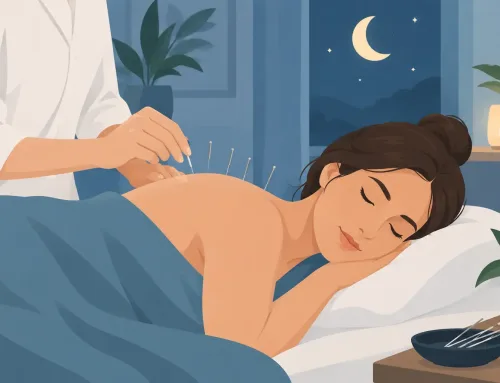
Gentle abdominal massage may be considered where appropriate, particularly when abdominal tightness, scar sensitivity or digestive discomfort is contributing to the overall pattern. Acupuncture can be used as part of a wider plan for pain, stress, fertility support or muscular tension. Reflexology and cranial sacral therapy may suit clients who need a gentler, deeply relaxing approach alongside physical treatment.
For postpartum clients, the pace of care is especially important. Pregnancy and birth can change the way the pelvis, abdominal wall and pelvic floor function. Treatment may focus on comfort, mobility and reconnecting with the body gradually. It should never be framed as a quick correction or a replacement for specialist pelvic health physiotherapy where that is indicated.
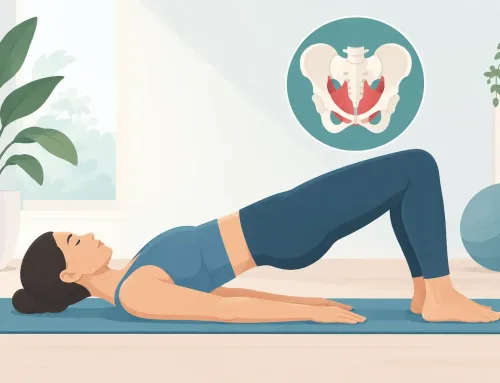
If bladder leakage, heaviness, prolapse symptoms or pelvic floor weakness are part of the picture, a combined approach may be useful. Better Pelvi chair electromagnetic therapies can support pelvic floor muscle activation for suitable clients, while hands-on care may address tension and movement restrictions around the pelvis. Suitability depends on your symptoms, medical history and any contraindications, so assessment comes first.
What you may notice after treatment
Responses vary. Some people feel looser through the lower back and hips immediately, with easier walking or reduced pulling through one side of the body. Others notice a sense of calm, tiredness or temporary tenderness as tissues settle. A treatment can also make you more aware of longstanding patterns, such as sitting with weight shifted to one side or bracing the abdomen when stressed.
Lasting change usually comes from a series of well-timed sessions rather than one appointment. The number required depends on the cause and duration of symptoms, the condition of the surrounding tissues and whether daily activities continue to place strain on the area. Acute muscular tension may improve quickly, while postpartum recovery, recurring pain or long-established compensation patterns usually need more patient support.
Your practitioner may suggest simple changes between sessions, such as varying your sitting position, taking regular movement breaks, adjusting training load or using gentle mobility exercises. These recommendations should be realistic. A plan that fits into a busy working day or family life is more likely to support progress than an ambitious routine that cannot be maintained.
Pelvic alignment and fertility support
Pelvic alignment treatment is sometimes included within complementary fertility care. The aim is not to claim that alignment alone can resolve infertility. Fertility is complex and can involve ovulation, sperm health, fallopian tubes, endometriosis, age, hormones, unexplained factors and more.
However, some people find that addressing pelvic and abdominal tension helps them feel more physically comfortable and less guarded during a demanding process. When appropriate, pelvic alignment can sit alongside fertility acupuncture, fertility reflexology and cranial sacral therapy in a personalised programme. This gives space to support comfort, relaxation and general wellbeing while you continue any medical investigations or fertility treatment recommended by your consultant.
Choosing care that is right for you
The most useful question is not whether the pelvis is perfectly aligned. Bodies are naturally individual, and small postural differences are common. The more meaningful questions are whether you are in pain, whether movement feels restricted, what has changed in your life or body, and what outcome you want support with.
Choose a practitioner who takes time to assess you, explains the proposed treatment clearly and works within appropriate boundaries. You should not feel pressured into lengthy packages or promised a guaranteed result. Good care is specific, measured and responsive to how you progress.
If pelvic discomfort, postnatal changes, recurring lower-back strain or fertility-related stress are affecting your quality of life, a considered assessment can be a constructive first step. The aim is to help you feel more comfortable, supported and confident in your body, with care that evolves around your needs.