Long covid therapy trends are increasingly moving away from one standard recovery plan. For people living with persistent fatigue, breathlessness, pain, disrupted sleep, brain fog or post-exertional symptom flare-ups, the priority is not simply to “push through”. It is to understand what is driving the individual symptom picture and create support that respects the body’s current limits.
Long Covid can affect several systems at once, and symptoms can change from week to week. This is why a thoughtful, practitioner-led approach matters. Complementary therapy may have a useful role in supporting comfort, relaxation, mobility and wellbeing, but it should sit alongside appropriate medical assessment and advice, particularly where symptoms are new, severe or worsening.
Long Covid Therapy Trends: More Personalised Care
The most significant shift is towards symptom-led care rather than a single protocol for every person with Long Covid. Two people may both describe exhaustion, yet one may also have dizziness on standing, another may be struggling with muscle pain and poor sleep, and another may experience digestive disruption and anxiety following illness. Their support needs will not be identical.
A tailored plan begins with a detailed conversation about symptoms, health history, activity tolerance, current medical care and personal goals. For some people, the immediate goal is to feel calmer and sleep more consistently. For others, it may be easing muscular tension, improving gentle movement, or finding a manageable rhythm for work and family life without provoking a setback.
This approach also recognises that recovery is rarely linear. A treatment plan should be reviewed and adjusted when symptoms fluctuate, rather than judging progress by how much activity a person can force themselves to complete.
Pacing has become central to recovery support
One of the most valuable changes in Long Covid care is greater awareness of post-exertional malaise, often shortened to PEM. This describes a delayed worsening of symptoms after physical, mental or emotional exertion. A short walk, a busy appointment, poor sleep or an intense day at work may lead to a flare-up later that day or even the following day.
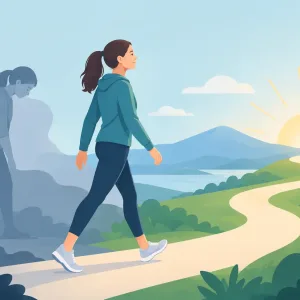
For people experiencing PEM, aggressive exercise programmes may be unhelpful and can make symptoms worse. The emphasis is instead on pacing: working within an energy envelope, balancing activity with rest, and noticing early warning signs before a significant crash develops. This does not mean remaining inactive indefinitely. It means finding a safe, sustainable level of activity that is appropriate for the individual.
Complementary sessions should follow the same principle. Treatment intensity, positioning, appointment length and follow-up frequency need to be chosen carefully. A good therapist will not assume that a stronger or longer treatment is automatically better.
The Growing Role of Nervous System Support
Long periods of illness can leave the nervous system under strain. People may feel wired but exhausted, unable to settle at night, more sensitive to noise or touch, or anxious about the next symptom flare. This does not mean symptoms are imagined. It reflects the very real burden of living with an unpredictable condition.
Therapies that encourage relaxation and a sense of safety can be valuable as part of wider support. Gentle acupuncture, reflexology, Reiki and carefully adapted massage may help some clients reduce tension and create space for rest. Responses vary, and these therapies are not a cure for Long Covid. Their role is to support wellbeing and symptom management where appropriate, not to replace medical investigation or prescribed treatment.
The setting matters too. Calm, unrushed appointments and clear communication can reduce the pressure many people feel after months of searching for answers. Being listened to carefully is not a minor detail. It is part of safe, effective care for a complex condition.
Hands-on therapies are becoming more carefully adapted
The trend is not towards treating Long Covid with increasingly intensive therapies. It is towards gentler, more responsive treatment. A person who was previously active may now find deep pressure, long appointments or rapid positional changes overwhelming. Adaptation is essential.
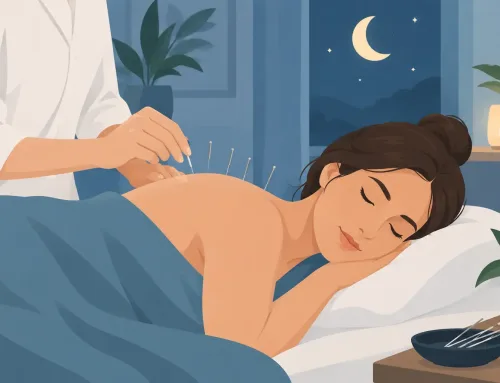
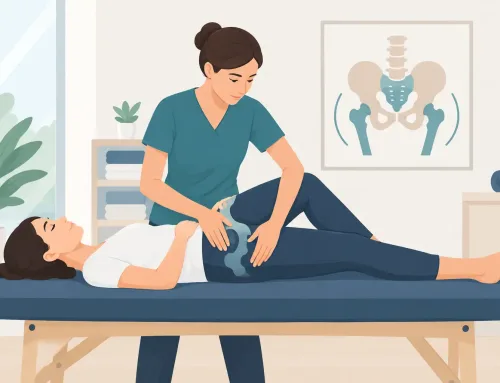
For suitable clients, gentle lymphatic drainage massage may support relaxation and ease feelings of heaviness or tension. Soft-tissue work can be adapted to address muscular discomfort caused by reduced movement, altered posture or prolonged time resting. Acupuncture may be considered where an experienced practitioner feels it is appropriate for the individual’s symptoms and health history.
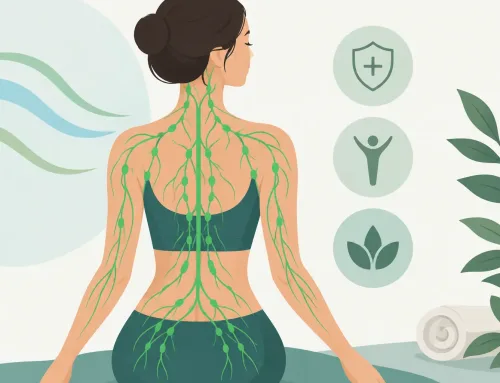
At Willows Clinic, the Perrin Technique may also be considered within a personalised approach for clients affected by ME, chronic fatigue syndrome, fibromyalgia and Long Covid. This specialised hands-on therapy is designed to support lymphatic flow and the body’s drainage pathways. As with any complementary therapy, treatment suitability and likely benefits should be discussed individually, with realistic expectations and regular review.
Better Integration With Medical Care
Another encouraging development is the stronger focus on integrated care. Long Covid can require input from a GP, specialist services, physiotherapy, occupational therapy, respiratory support, mental health care and complementary practitioners. No single therapy can address every presentation.
A complementary therapist should work with, not against, a client’s existing care plan. This includes asking about medication, previous diagnoses, test results where relevant, and advice already given by medical professionals. It also means recognising when hands-on treatment is not the next step and a medical review is needed instead.
Urgent assessment is particularly important for chest pain, severe or worsening breathlessness, fainting, a new irregular heartbeat, one-sided weakness, confusion, or sudden neurological symptoms. Persistent symptoms deserve proper attention too, especially when they limit daily function or affect mood and sleep.
Measuring Progress Beyond a “Cure” Narrative
People living with Long Covid are often promised quick fixes, only to be disappointed. The more responsible trend is to measure practical, meaningful changes rather than making sweeping claims. Better sleep, fewer tension headaches, improved comfort when sitting, a calmer response to stress, or the ability to manage a short outing without a major flare-up can all matter.
Keeping track of symptoms, sleep, activity and recovery after exertion can help identify patterns. It can also make treatment decisions more precise. If a client feels noticeably depleted after a session, the plan may need to be gentler, shorter or less frequent. If they are sleeping better and recovering more easily, the therapist can consider whether the existing approach remains suitable.
Progress may be slow, and it may not be consistent. That does not make it insignificant. Sustainable gains are generally more useful than a brief improvement followed by an extended crash.
Choosing Complementary Support Safely
The most appropriate therapy depends on symptoms, energy tolerance, other health conditions and personal preferences. Someone with pronounced fatigue may need a quiet, low-stimulation session with plenty of time to rest afterwards. Someone whose main concern is muscle tightness and poor sleep may respond well to a different approach. There is no benefit in copying another person’s recovery plan simply because their diagnosis is the same.
When choosing a practitioner, look for clear qualifications, experience with complex and fatigue-related conditions, and a willingness to adapt treatment. A responsible therapist will ask detailed questions, explain what a therapy can and cannot reasonably offer, and welcome communication with your wider healthcare team.
The best Long Covid support does not demand that your body prove its progress. It meets you where you are, protects your energy, and helps you take the next manageable step towards greater comfort and confidence.