The first weeks after birth can feel physically demanding in ways that are hard to predict. Your body may be healing from a vaginal birth, a caesarean section, stitches, blood loss or a long labour, while you are also adapting to broken sleep and caring for a newborn. Postnatal recovery is not about returning quickly to your previous routine. It is about giving healing the time, support and attention it needs.
Every recovery is different. Some women feel ready for gentle movement within days; others need longer to regain comfort, energy and confidence in their bodies. A well-paced plan, guided by your midwife, GP, obstetric team or pelvic health physiotherapist where appropriate, protects both your physical recovery and emotional wellbeing.
Postnatal recovery starts with realistic expectations
There is no single timetable for feeling well after birth. The uterus gradually contracts and returns towards its pre-pregnancy size, bleeding changes over several weeks, and hormonal shifts can affect mood, sleep, temperature and appetite. If you have had abdominal surgery, tissue healing and scar sensitivity add another layer to recovery.
Trying to do too much too soon can increase soreness, fatigue and pelvic pressure. That does not mean remaining completely inactive. Short, easy walks around the home or outdoors, if you feel well enough and have been advised that it is safe, can support circulation and help you reconnect with movement. The key is to notice how your body responds later that day and the following morning, not only how it feels in the moment.
A useful rule is to make your plans smaller than you think you need to. Rest after a shower, sit down to feed your baby, accept practical help with meals and household tasks, and treat sleep as a recovery need rather than a luxury. If visitors leave you depleted, shorter visits or a pause from hosting may be the healthier choice.
Support healing with food, fluids and rest
Recovery asks a great deal of the body. Regular meals containing protein, fibre-rich carbohydrates, healthy fats and plenty of fruit and vegetables can support steady energy and bowel comfort. Iron-rich foods may be particularly useful following significant blood loss, although diagnosed anaemia needs medical assessment and treatment rather than dietary changes alone.
Hydration matters too, especially if you are breastfeeding. Keep water within reach during feeds and aim for regular drinks throughout the day. Constipation is common after birth due to hormones, reduced movement, pain relief, fear of straining and dehydration. Fluids, fibre, gentle walking and taking prescribed medication as directed can help. Speak to your midwife, GP or pharmacist if constipation is persistent or painful.
Sleep will rarely be uninterrupted with a newborn, so think in terms of protected rest rather than perfect nights. Even a short daytime lie-down can be worthwhile. If your mind is racing when you have the chance to rest, ask your partner, family or friends to take over one practical task so that rest becomes possible, rather than another item on a list.
Gentle movement and pelvic floor care
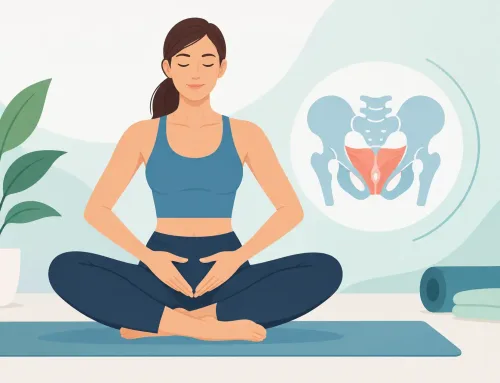
Your pelvic floor has supported pregnancy and may have worked intensely during labour, even if you gave birth by caesarean section. It can feel weak, heavy or difficult to coordinate afterwards. Gentle pelvic floor exercises are often introduced early, but the right approach depends on your symptoms, birth experience and whether you have pain.
Start by noticing your breath. As you breathe out, imagine gently lifting and drawing in around the vagina and anus, then fully releasing as you breathe in. Avoid gripping your buttocks, holding your breath or pushing down. A pelvic health physiotherapist can assess technique and create a plan if you have leaking, urgency, pelvic heaviness, pain, prolapse symptoms or uncertainty about returning to exercise.
High-impact training, running and intense abdominal work are not automatic next steps. Your readiness depends on bleeding, scar healing, pelvic floor function, sleep, feeding demands and your previous fitness. A gradual return is generally more sustainable than testing your body with a demanding class before it has recovered.
Caring for a caesarean scar
A caesarean birth is major abdominal surgery. Keep the wound clean and dry as advised by your maternity team, wear clothing that does not rub, and use pillows for support when feeding or coughing. Scar massage should only begin once the incision is fully closed and you have been told it is appropriate.
Increasing redness, swelling, heat, discharge, worsening pain or a wound that opens needs prompt medical advice. Complementary hands-on therapies should never be applied directly over a healing surgical wound.
Where complementary therapies may fit
After medical clearance, carefully chosen complementary therapies can offer supportive care during postnatal recovery. They should be adapted to your birth, symptoms, feeding status, medication and stage of healing. The aim is not to override the body’s recovery process, but to provide a calm, tailored space for relief from tension, heaviness or stress.
Gentle postnatal massage may help with muscular tightness through the shoulders, neck and back, which is common when feeding, carrying and settling a baby. Positioning matters. Some clients are more comfortable side-lying or semi-reclined rather than lying face down, particularly in the early weeks or while breasts are tender.
Lymphatic drainage massage may be considered for women experiencing a feeling of puffiness or fluid retention, provided there are no medical reasons to avoid it. It is not a treatment for suspected blood clots, infection, unexplained swelling or high blood pressure. These symptoms need medical assessment first.
Reflexology, Reiki and acupuncture may also be used as gentle supportive therapies for relaxation, stress management and general wellbeing. Their role should be discussed honestly: they can complement appropriate postnatal medical care, but they do not replace assessment for pain, bleeding, infection, depression or other postpartum concerns. At Willows Clinic, treatment is tailored following a thorough consultation, with the timing and approach adjusted to your individual recovery.
Feeding, posture and the hidden strain of new routines
Feeding positions can create more discomfort than many new parents expect. Leaning towards your baby for long periods often leads to neck pain, rounded shoulders and tension between the shoulder blades. Bring your baby up to you with pillows or supportive seating where possible, rather than folding your body down towards them.
If breastfeeding is painful, nipples are damaged, or you are worried that your baby is not feeding effectively, seek timely support from a midwife, lactation consultant or GP. Pain should not simply be endured. The same applies to persistent wrist and thumb pain from lifting and holding your baby, which can usually be helped with practical changes, rest and professional guidance.
When postnatal symptoms need urgent medical advice
Some discomfort and tiredness are expected, but certain symptoms require prompt attention. Contact your maternity unit, GP, out-of-hours service or emergency services as appropriate if you experience heavy bleeding that soaks a pad quickly, large clots, fever, foul-smelling discharge, severe or worsening abdominal pain, chest pain, shortness of breath, or pain and swelling in one calf.
Seek urgent medical advice for a severe headache, visual changes, sudden swelling of the face or hands, dizziness, confusion or feeling very unwell. These can be signs of conditions that need immediate assessment.
Your emotional health deserves the same care. Tearfulness can be common in the early days, but persistent low mood, intense anxiety, panic, inability to sleep when given the chance, frightening thoughts, or feeling detached from your baby should be shared with a GP, midwife or mental health professional. If you feel at risk of harming yourself or someone else, seek emergency help immediately.
A recovery plan that fits real life
The most effective postnatal plan is usually a modest one. Choose one nourishing meal you can prepare easily, one small movement practice that feels comfortable, and one person you can ask for practical help. Review how you feel each week rather than judging progress day by day.
If you are considering hands-on therapy, choose a practitioner experienced in postnatal care who asks about your birth, medical history and current symptoms before treatment. A good plan should leave you feeling supported, not pressured to recover on anyone else’s schedule.
Your body has done significant work. Giving it patient, informed care now can make the months ahead feel more comfortable, steady and manageable.