The weeks and months after having a baby can bring changes that are difficult to talk about: leaking when you laugh, a heavy feeling through the pelvis, reduced sensation during intimacy, or a sense that your body has not quite regained its usual support. Better Pelvi for postpartum repair offers a non-invasive way to work the pelvic floor muscles, helping women rebuild confidence as part of a considered recovery plan.
Postnatal recovery is not about rushing back to exercise or accepting bladder leaks as inevitable. It is about recognising what your body has been through and giving it the appropriate support. A Better Pelvi programme can be especially useful for women who struggle to engage their pelvic floor effectively with exercises alone, or who want structured support alongside hands-on therapies and professional guidance.
What is Better Pelvi?
Better Pelvi is an electromagnetic chair therapy designed to stimulate the muscles of the pelvic floor while you remain fully clothed and seated. The treatment uses focused electromagnetic energy to create repeated pelvic floor contractions. These contractions are much stronger and more consistent than many people can achieve voluntarily at the beginning of their recovery.
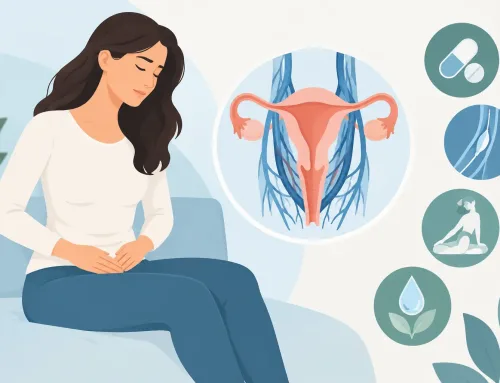
The pelvic floor is a group of muscles and connective tissues at the base of the pelvis. It supports the bladder, bowel and uterus, contributes to sexual function, and helps manage pressure through the abdomen during lifting, coughing and movement. Pregnancy and birth can place considerable strain on this area, whether a birth was vaginal, assisted, by caesarean section, or followed by a difficult physical recovery.
During a Better Pelvi session, you may feel the pelvic floor lifting, tightening and releasing in cycles. There is no internal examination or treatment, no need to undress, and no recovery time afterwards. Sessions are usually straightforward to fit around the realities of life with a new baby.
Better Pelvi for postpartum repair: where it may help
Pelvic floor weakness is not always obvious. For some women, it shows up as urinary leakage when running, coughing or jumping. For others, it may be urgency, difficulty holding wind, reduced pelvic support, or a feeling of disconnection from the body after birth.
Better Pelvi may help improve pelvic floor awareness, muscle recruitment and endurance. That can support better bladder control and greater confidence when returning to everyday activity, from carrying a car seat to taking a longer walk or eventually resuming higher-impact exercise. Some clients also seek support when they have been advised that early pelvic organ prolapse symptoms may be linked to reduced pelvic floor support.
Results vary because postpartum recovery is individual. The degree of muscle weakness, type of delivery, hormonal changes, scar tissue, sleep deprivation, activity levels and any pre-existing pelvic health concerns all matter. Better Pelvi is not a replacement for medical assessment or specialist pelvic health physiotherapy where these are needed. It can, however, be a valuable complementary option within a wider recovery plan.
Why exercises alone can feel difficult
Pelvic floor exercises can be very effective when performed correctly and consistently. The challenge is that many people are unsure whether they are contracting the right muscles. Others can manage a brief squeeze but find it hard to develop strength, relaxation and control through a full range of movement.
After pregnancy and birth, fatigue and the demands of caring for a baby can make regular practice difficult. The Better Pelvi chair gives the muscles a concentrated period of stimulation without requiring you to remember sets of exercises at home. It does not remove the value of learning good movement habits or practising a home programme, but it may provide a useful foundation when voluntary contractions feel weak or uncertain.
A tailored approach matters after birth
There is no single definition of postpartum repair. A woman recovering from an uncomplicated vaginal delivery has different needs from someone managing a perineal tear, abdominal separation, a caesarean scar, constipation, ongoing pelvic pain or symptoms of prolapse. A good treatment plan should account for the whole picture rather than focus on one symptom alone.
At Willows Clinic, Better Pelvi may be considered alongside complementary therapies that support physical recovery and wellbeing. Depending on your needs, this may include gentle abdominal massage, lymphatic drainage, reflexology or acupuncture. The aim is not to offer treatments simply because they are available, but to choose options that make sense for your symptoms, comfort and stage of recovery.
For example, someone whose main concern is bladder leakage may benefit from a focused Better Pelvi programme and practical pelvic floor guidance. Someone who feels swollen, tense and physically depleted after birth may need a broader plan that also considers circulation, rest and muscular tension. Where pain, significant prolapse symptoms or complex birth injuries are present, referral to a GP, consultant or pelvic health physiotherapist may be the right next step.
When can you start treatment?
The right time depends on your delivery, healing and personal medical history. Many women begin considering pelvic floor support after their routine postnatal check, but there is no prize for starting early if your body is not ready. If you have had stitches, a caesarean birth, significant tearing, infection, persistent bleeding or complications, seek clearance from your maternity care provider before booking.
Breastfeeding can also influence recovery. Lower oestrogen levels may contribute to vaginal dryness and changes in tissue comfort, which is another reason to take an individual approach rather than compare your progress with someone else’s. Better Pelvi is external and non-invasive, but suitability should still be discussed properly before treatment begins.
You should tell your practitioner about any implanted electronic device, such as a pacemaker, as electromagnetic therapies may not be appropriate. Pregnancy, active infection, unexplained pelvic pain, recent surgery and certain medical conditions may also affect whether treatment is suitable. An honest consultation protects your safety and ensures that care is directed towards the right issue.
What to expect from a Better Pelvi programme
Your first appointment should begin with a discussion about your birth, current symptoms, general health and recovery goals. You may be asked about leaking, bowel function, pelvic pressure, pain, exercise, intimacy and previous treatments. These can feel sensitive subjects, but they are clinically relevant and handled with care.
A programme commonly involves a course of sessions rather than a one-off visit, because muscle strengthening and coordination develop over time. The number and spacing of sessions should be agreed according to your presentation and response. Some women notice changes in awareness or control early on; for others, progress is more gradual.
It is helpful to pay attention to meaningful changes between appointments: fewer urgent trips to the toilet, more confidence on a walk, less leaking when lifting, or a stronger sense of support through the pelvis. These practical markers are often more useful than expecting a dramatic overnight change.
Better Pelvi works best when it is supported by sensible daily habits. Avoid straining on the toilet, build activity gradually, exhale with effort when lifting, and seek advice before returning to running or high-impact exercise if you still have leakage, heaviness or pain. Rest matters too. Healing is influenced by stress, sleep and the demands placed on your body each day.
Knowing when to seek further medical support
Postpartum symptoms deserve attention, particularly if they are affecting daily life. Contact your GP, maternity team or pelvic health specialist promptly if you experience severe or worsening pelvic pain, a new bulge or marked vaginal pressure, difficulty emptying your bladder or bowel, faecal incontinence, fever, unusual discharge or heavy bleeding. These symptoms need medical assessment rather than a wellness treatment alone.
It is also worth seeking specialist guidance if leakage persists despite consistent pelvic floor work, or if you are unsure how to return safely to exercise. Getting the right assessment can prevent frustration and help you invest your time in the treatment that is most likely to help.
Your postpartum body is not asking you to be perfect. It is asking for patient, informed support. With the right assessment and a tailored plan, Better Pelvi can be a practical step towards feeling stronger, more comfortable and more at home in your body again.