A face can look drawn long before it feels possible to take time out. Poor sleep, sustained stress, hormonal changes, jaw tension and recovery from illness may show up as dullness, puffiness, a tight brow or a complexion that no longer feels like your own. Facial acupuncture is a practitioner-led treatment that aims to support the skin and underlying facial tissues while also considering the wider factors affecting how you look and feel.
It is not a quick-fix cosmetic procedure, and it should not be presented as an alternative to medical dermatology or surgical aesthetics. For the right person, however, a carefully planned course can be a gentle option for supporting a fresher, more rested appearance alongside improved relaxation and wellbeing.
What is facial acupuncture?
Facial acupuncture, sometimes called cosmetic acupuncture or facial rejuvenation acupuncture, uses very fine sterile needles at selected points on the face, scalp and body. The facial points may be chosen to support local circulation, ease areas of muscular tension and encourage a healthy-looking complexion. Body points are often included to address factors such as stress, sleep disruption, digestion, headaches or hormonal fluctuations that may be contributing to how the face presents.
A skilled practitioner does not simply place needles where lines or puffiness are most visible. They begin by understanding your health history, your skin concerns, current medication, lifestyle and treatment goals. This whole-person approach is particularly valuable when tiredness, jaw clenching, digestive discomfort or a demanding period of life is affecting both confidence and general wellbeing.
From a traditional acupuncture perspective, treatment seeks to support balance and the smooth flow of energy throughout the body. From a modern physiological viewpoint, research is still developing, but proposed effects include local changes in blood flow, neuromuscular relaxation and the body’s natural repair response. Results vary, and claims of dramatic lifting or permanent wrinkle removal should be treated with caution.
What can facial acupuncture help with?
Most people choose facial acupuncture because they would like their face to look less tense, tired or congested without injectables or surgery. After a course of treatment, some clients report a brighter-looking complexion, softer expression lines, reduced puffiness and a more relaxed jaw or brow. The treatment may be especially appealing if facial tension is a major concern.
It can also be used as part of a broader wellbeing plan for people whose appearance has been affected by prolonged stress, disrupted sleep or recovery. That does not mean acupuncture can erase the effects of ageing, treat every skin condition or replace medical care. Acne, rosacea, eczema, persistent pigmentation, sudden hair loss and unexplained facial swelling each need appropriate assessment, often involving your GP or a dermatology professional.
The evidence for cosmetic benefits is promising but limited. Small studies and clinical experience suggest potential improvements in skin appearance and facial muscle tone, yet high-quality research is not sufficient to guarantee a particular result. A responsible practitioner will discuss realistic goals rather than promising a specific number of years off your appearance.
What happens during an appointment?
Your first appointment should start with a consultation. You will be asked about your main concerns, your health history, medication and supplements, previous reactions to acupuncture, your skincare routine and any recent aesthetic procedures. This is also the time to explain whether your priority is improved skin vitality, reduced tension, support during a stressful period or a combination of these.
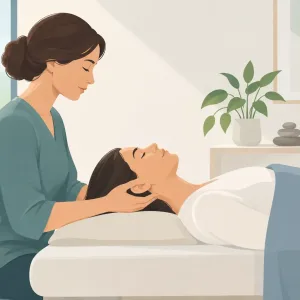
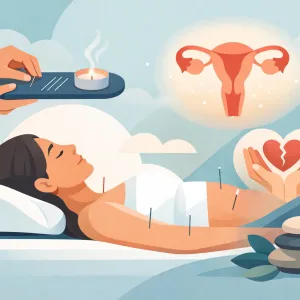
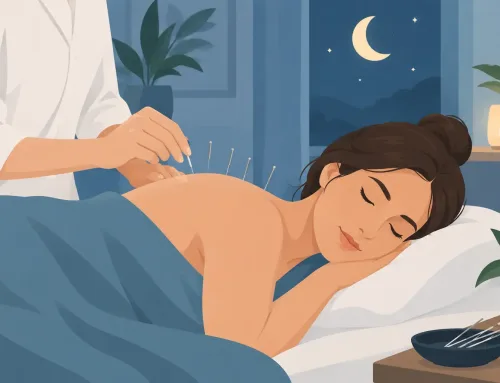
Once a treatment plan is agreed, you will lie comfortably on the treatment couch while the practitioner inserts single-use sterile needles. Most are placed very superficially and feel like a brief pinprick, a tiny dull sensation or nothing at all. Needles may remain in place for around 20 to 30 minutes while you rest. Depending on your individual presentation, treatment may include points on the arms, legs or abdomen as well as the face.
A session is generally calm and restorative. Some people feel deeply relaxed or sleepy afterwards, while others notice a gentle lift in energy. Temporary redness at a needle site can occur, and small bruises are possible, particularly if you bruise easily. These effects are usually short-lived, but they should be discussed before treatment.
How many sessions are needed?
One appointment can be a useful introduction, but facial acupuncture is normally approached as a course rather than a one-off treatment. A practitioner may recommend weekly sessions initially, often for six to 10 weeks, before reviewing progress and considering maintenance appointments. The best schedule depends on your skin, age, health, stress levels, treatment history and expectations.
Changes tend to be gradual. You may first notice that your face feels more relaxed or looks less puffy, followed by subtler improvements in overall tone and radiance. Taking photographs in the same natural light before starting and at review points can provide a more useful comparison than trying to judge changes day by day.
Is facial acupuncture right for you?
Facial acupuncture may suit adults who want a gentle, non-surgical approach and are comfortable with gradual change. It can be a good fit for those who value treatments that address wellbeing as well as appearance, particularly when stress-related tension or poor sleep are part of the picture.
It is not suitable for everyone without additional consideration. Tell your practitioner if you are pregnant, have a bleeding disorder, take anticoagulant medication, have a history of fainting, are receiving treatment for cancer, have active skin infection or inflammation, or have recently had fillers, anti-wrinkle injections, threads, laser treatment or surgery. The treatment may need to be postponed, adapted or cleared with another healthcare professional.
Anyone with severe acne, a changing mole, persistent rash, unexplained swelling or a sudden change in facial sensation should seek medical advice rather than relying on an aesthetic treatment. Your safety comes before a treatment timetable.
Preparing for facial acupuncture and supporting results
Arrive well hydrated and, where possible, having eaten a light meal. Avoid attending straight after heavy alcohol intake or an intense workout, as this can increase the chance of feeling light-headed. Come with clean skin and let your practitioner know about any new medication, illness or skincare reaction since your last appointment.
Between sessions, the simple measures usually matter more than expensive products. Consistent sleep, adequate water, balanced meals, sun protection and a manageable skincare routine all support skin health. If jaw tension is part of the issue, becoming aware of daytime clenching and giving the jaw regular breaks can also make a meaningful difference.
Try not to book facial acupuncture immediately before a major event if bruising would be a concern. Although many people have no visible marks, allowing several days gives you a sensible buffer. If you are combining acupuncture with other facial treatments, ask both practitioners to help you space appointments safely.
Choosing a safe practitioner
The quality of the consultation matters as much as the treatment itself. Look for an appropriately trained and insured acupuncturist who uses sterile single-use needles, explains potential risks clearly and takes a full health history. You should feel able to ask about qualifications, hygiene procedures, expected outcomes and whether your goals are realistic.
A good practitioner will not pressure you into a large package before assessing your response. They will review the treatment plan as you go, recognise when another professional is better placed to help, and ensure that the treatment supports rather than competes with your wider healthcare.
If you are considering facial acupuncture, begin with a consultation that takes your skin concerns, health and lifestyle seriously. The most worthwhile result is not a promise of perfection, but a plan that helps you look rested, feel cared for and make informed choices about your wellbeing.