An abdomen that feels tight, bloated or uncomfortable can affect far more than digestion. It may leave you eating cautiously, avoiding certain clothes, feeling tired after meals or carrying a constant sense of pressure through the lower back and pelvis. Abdominal massage benefits can be especially meaningful when this discomfort has become a regular part of life and you want a gentle, hands-on approach alongside appropriate medical care.
Rather than being a general spa treatment, therapeutic abdominal massage uses considered pressure and movement across the abdomen and surrounding tissues. A skilled practitioner works with the natural direction of the bowel, the diaphragm, the abdominal wall and, where appropriate, the hips and lower back. Treatment is adapted to your symptoms, medical history and comfort level.
What abdominal massage is designed to do
The abdomen is home to the digestive organs, but it is also a busy meeting point for muscles, connective tissue, nerves and circulation. Stress, sedentary habits, previous surgery, hormonal changes, recurrent constipation and physical strain can all contribute to tension in this area.
Abdominal massage aims to encourage relaxation and movement in tissues that may be restricted or overworked. It is not a replacement for medical investigation, medication or dietary support where these are needed. However, for some people, it can form a useful part of a wider plan for digestive comfort, pelvic wellbeing and recovery.
A session should never feel forceful. Pressure may be firmer in areas of muscular holding, but your practitioner should explain what they are doing, check in regularly and adjust their approach if an area is tender. This matters because abdominal symptoms can have many causes, and effective treatment begins with listening rather than applying the same routine to every client.
Abdominal massage benefits for digestion and comfort
One of the best-known uses of abdominal massage is support for sluggish bowel function. Gentle, structured strokes following the route of the large intestine may help stimulate the body’s natural bowel movement pattern. Some clients find that regular treatment helps ease the sensation of fullness, trapped wind and abdominal heaviness, particularly when constipation is linked with low activity, stress or muscular tension.
The response varies. Persistent constipation may also relate to medication, thyroid function, pelvic floor coordination, diet, hydration, neurological conditions or bowel disease. Massage can be supportive, but it should not delay assessment of new, severe or ongoing symptoms.
For people with bloating, the benefit is often less about a dramatic immediate change and more about reducing guarding through the abdominal wall. When the body is braced, the diaphragm may move less freely and the abdominal muscles can remain switched on even at rest. Calming hands-on treatment, combined with slow breathing, can help soften this protective tension and make the abdomen feel less pressurised.
Supporting the gut-brain connection
The digestive system is closely linked with the nervous system. Many people notice that symptoms worsen during demanding periods, after poor sleep or when anxiety is high. Abdominal massage provides focused time for the body to move out of a heightened stress response and towards rest and digestion.
That does not mean digestive symptoms are “all in the mind”. Conditions such as irritable bowel syndrome can involve genuine pain, altered bowel habits and considerable disruption to daily life. What it does mean is that nervous system support can be one valuable element of care. Treatment may help you become more aware of where you hold tension and how your body responds to food, stress and rest.
Easing muscular and fascial restriction
The abdominal wall does important work during movement, breathing and postural control. Tight hip flexors, lower-back discomfort, core weakness after pregnancy or protective bracing following pain can all alter how this area feels and functions.
Targeted massage may improve local tissue mobility and reduce the pulling sensation associated with muscular tightness. For active adults, this can be relevant when training, long periods at a desk or recovery from injury have created tension across the front of the body. It is often most effective when considered alongside movement advice, hydration, recovery and treatment for related areas such as the lower back, hips or diaphragm.
Benefits after pregnancy and for pelvic wellbeing
Pregnancy and birth change the abdominal wall, pelvic floor and breathing mechanics. Even after a straightforward birth, the body may feel unfamiliar for some time. Scar tissue following a Caesarean birth can create local sensitivity or a feeling of pulling, while disrupted sleep, feeding positions and reduced activity can place extra demand on the back and abdomen.
Once you have been medically cleared for postnatal treatment, gentle abdominal work may support comfort, body awareness and tissue mobility. Where a scar is fully healed, a practitioner may use careful techniques around the surrounding tissue to address restriction. This is not about forcing a scar to change. It is about working respectfully with the body’s healing process.
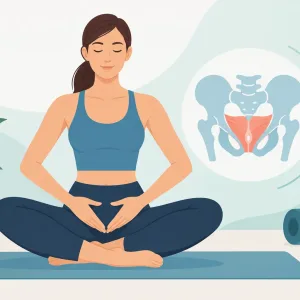
Abdominal treatment can also sit within a broader pelvic wellbeing plan. Symptoms such as prolapse, pelvic pain, bladder leakage or ongoing pressure need individual assessment. In some cases, pelvic floor physiotherapy or GP referral will be the priority. Complementary hands-on therapies may help with surrounding tension and relaxation, but they should be selected with clear goals and appropriate clinical boundaries.
What happens during a treatment
A thorough consultation comes first. Your practitioner should ask about digestive patterns, pain, medical diagnoses, medication, surgery, pregnancy history and any changes in symptoms. This helps determine whether abdominal massage is suitable and which techniques are appropriate.
You will usually lie comfortably on a treatment couch with the abdomen appropriately exposed only as needed and the rest of the body covered. Treatment may include gentle warming contact, rhythmic strokes and more focused work around tense areas. The practitioner may also work with breathing, the ribcage, lower back or hips, depending on your presentation.
It is common to feel deeply relaxed, to notice bowel sounds or to feel a change in warmth through the abdomen. Some people experience a bowel movement later that day, while others notice gradual improvements over a series of sessions. Neither response is a measure of success on its own. The aim is better comfort and function, not to create a dramatic reaction.
When abdominal massage may not be appropriate
Safety is central to effective complementary care. Abdominal massage should be postponed or avoided where there is acute unexplained abdominal pain, fever, vomiting, suspected appendicitis, bowel obstruction, active gastrointestinal bleeding or a newly swollen abdomen. It is also unsuitable over an unhealed surgical wound or active infection.
Extra caution is needed after recent abdominal surgery, during pregnancy, with hernias, inflammatory bowel disease flare-ups, endometriosis symptoms, cancer treatment or known vascular conditions. This does not always rule treatment out, but it does mean the approach must be adjusted and, in some circumstances, medical advice is needed first.
Seek urgent medical care for severe pain, black or bloody stools, persistent vomiting, unexplained weight loss, jaundice, a sudden change in bowel habit or symptoms that wake you at night. A therapeutic treatment should never be used to mask warning signs.
Getting more from your treatment plan
The most useful treatment frequency depends on your symptoms and goals. A person experiencing occasional stress-related bloating may benefit from a single session and self-care guidance. Someone managing long-standing constipation, post-surgical tightness or complex pelvic symptoms may need a phased plan alongside input from other healthcare professionals.
Small daily habits can support the work between appointments. Regular meals, adequate fluids, gentle walking and unhurried toilet habits all help encourage healthy bowel routine. Diaphragmatic breathing can also be valuable, particularly if you notice that your abdomen tightens when you feel rushed or anxious.
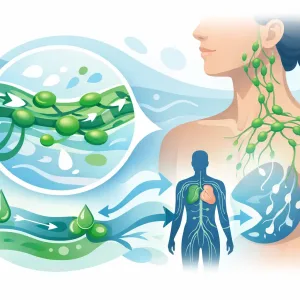
At Willows Clinic, treatment is approached as part of the whole picture, not as a one-size-fits-all remedy. A qualified practitioner can help you decide whether abdominal massage is appropriate, and whether it may work best alongside lymphatic drainage, reflexology, acupuncture or other tailored support.
If your abdomen has been asking for attention through discomfort, tension or digestive disruption, it deserves careful assessment rather than quick fixes. The right hands-on treatment can offer a calmer starting point for understanding what your body needs.