A calf strain that still pulls when you accelerate, a shoulder that aches after every swim, or a recurring knee problem can quickly take the enjoyment out of being active. Sports rehabilitation is not simply about easing discomfort after an injury. It is a structured process that helps identify why the problem developed, supports healing and restores the strength, movement and confidence needed to return to your chosen activity.
For active adults, the goal is rarely just to feel better while resting. It is to walk, run, train, play or compete without constantly protecting one side of the body or worrying that the injury will return. That requires care that looks beyond the painful area alone.
What sports rehabilitation is designed to do
Sports injuries can happen suddenly, such as an ankle sprain during a match or a hamstring strain while sprinting. They can also build gradually. A runner may develop persistent Achilles discomfort after increasing mileage too quickly, while desk work, limited hip mobility or poor recovery can contribute to a back, neck or shoulder issue in someone who trains regularly.
Effective sports rehabilitation considers the injury, the demands of the sport or activity, and the way your body is currently moving. The same diagnosis may need a different plan for a recreational golfer, a parent returning to exercise after pregnancy and a footballer preparing for a full season.
A tailored programme may help to reduce pain and stiffness, improve joint range and tissue mobility, rebuild strength and control, and address habits that can make a recurrence more likely. Progress is not always linear. Symptoms may settle quickly, while strength, balance and confidence take longer to return. Allowing for this difference is one of the ways rehabilitation protects against doing too much too soon.
A proper sports rehabilitation assessment comes first
The first appointment should establish more than where it hurts. Your practitioner will discuss how the injury happened, what movements aggravate it, your training routine, previous injuries and any relevant health history. They may assess posture, movement quality, joint mobility, muscle tension, balance and how the affected area responds to loading.
This process helps distinguish between a tissue that needs a period of reduced load and one that needs carefully graded movement to regain capacity. Complete rest can be appropriate for a short period after some acute injuries, but extended inactivity may lead to stiffness, weakness and reduced confidence. Equally, pushing through sharp or worsening pain is not rehabilitation.
A clear assessment also establishes realistic milestones. These might include being able to climb stairs comfortably, perform a controlled squat, jog without symptoms, tolerate sport-specific drills or complete a session without a significant flare-up the next day. The right milestone depends on your starting point and your goals.
Hands-on treatment and exercise work best together
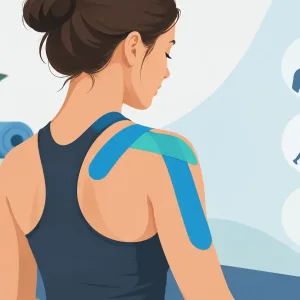
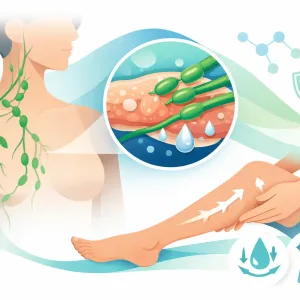
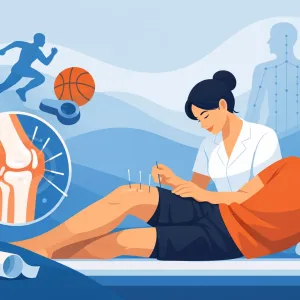
Hands-on therapies can play a valuable role in physical recovery, particularly where pain, protective muscle tension or restricted movement is limiting progress. Depending on your presentation, treatment may include sports massage, acupuncture, cupping therapy, lymphatic drainage massage or other appropriate techniques to support comfort and movement.
These treatments are not a substitute for rehabilitation exercises. Rather, they can make it easier to move well enough to do the work that restores function. For example, easing calf tension may help someone begin ankle mobility and loading work more comfortably. Improving upper-back and shoulder movement can create a better starting point for controlled strengthening after a return to swimming or gym training.
Exercise is then progressed according to what the injured area needs to tolerate. Early work may focus on gentle range of motion, isometric holds or low-load control. Later stages may introduce resistance, single-leg stability, changes of direction, impact work or movements that closely resemble the sport itself. The programme should be specific enough to prepare you for real life, rather than stopping once you can move without pain on the treatment couch.
At Willows Clinic, sports injury support is approached as an individual recovery plan, combining experienced hands-on care with practical guidance that fits your activity level, symptoms and wider wellbeing.
Why returning too early can cause setbacks
Pain relief is encouraging, but it is not always proof that the body is ready for full training. Anti-inflammatory medication, massage or a good day of recovery can temporarily reduce symptoms without restoring the strength and control required for repeated sprints, heavy lifts or a long run.
A safe return is based on capacity. Can the area handle the forces, speed and volume your activity requires? Can you complete the relevant movements with good control? How does it feel later that day and the morning after? These questions matter because many overuse injuries are not caused by one movement, but by repeated load exceeding the body’s current ability to recover.
Training load should usually be increased gradually. If an activity causes mild discomfort that settles promptly and does not worsen after exercise, it may be manageable within a programme. Sharp pain, swelling, instability, altered sensation or symptoms that progressively increase need reassessment. A therapist can help you interpret these signals rather than relying on guesswork.
Rehabilitation should fit the person, not just the injury
The best plan is one you can follow consistently. A demanding gym-based programme may be ideal for one person and unrealistic for another with a busy job, family commitments or limited equipment. Short, focused home exercises completed regularly can be more effective than an ambitious plan that is abandoned after a week.
Recovery also depends on the wider picture. Sleep, nutrition, hydration, stress, work posture and the amount of training completed around an injury all influence how the body responds. For people managing a chronic health condition, fatigue or ongoing pain, rehabilitation may need a slower pace and more careful energy management. That is not a failure of effort. It is sensible clinical planning.
It is also worth addressing the movement patterns that led to the problem. A repeated ankle sprain may call for balance and proprioception work, not only treatment of the latest swelling. Persistent shoulder discomfort may involve the neck, upper back, training technique and recovery between sessions. Looking at these contributing factors gives rehabilitation a stronger chance of producing lasting change.
When to seek medical assessment first
Complementary therapy can support many muscular and joint-related recovery needs, but some symptoms require prompt medical assessment. Seek urgent care following a significant trauma, suspected fracture or dislocation, inability to bear weight, severe swelling, a visibly deformed joint, loss of sensation, sudden weakness or a hot, swollen calf.
You should also consult a GP or appropriate medical professional if pain is severe, unexplained, associated with fever or night sweats, or does not improve as expected. A responsible rehabilitation plan works alongside medical care when investigation, diagnosis or imaging is needed.
Building confidence back into movement
Returning to sport is partly physical and partly psychological. After an injury, it is common to hesitate before landing, turning sharply or lifting a weight that once felt routine. Confidence grows through repeated evidence that your body can tolerate movement safely. A staged plan gives you those successful repetitions without demanding a leap from rest to full performance.
The right time to begin is not when you feel completely broken down. Early, appropriate support can often prevent a minor restriction becoming a longer-term pattern of compensation and recurring discomfort. Whether you are training for an event, returning after time away or simply want to move through daily life with greater ease, a considered rehabilitation plan gives your recovery a clear direction.