For people living with ME/CFS, fibromyalgia or persistent symptoms after Covid-19, the most difficult part is often not finding advice but finding care that recognises how changeable and limiting these conditions can be. Perrin Technique developments have brought renewed attention to a structured, hands-on approach that aims to support the body’s lymphatic drainage and ease symptoms such as fatigue, pain, brain fog and disrupted sleep.
The technique is not a cure for complex chronic illness, and it should not replace medical assessment or treatment. Its value lies in carefully tailored complementary support, delivered at a pace that respects a client’s energy limits, sensitivities and wider health needs.
What is the Perrin Technique?
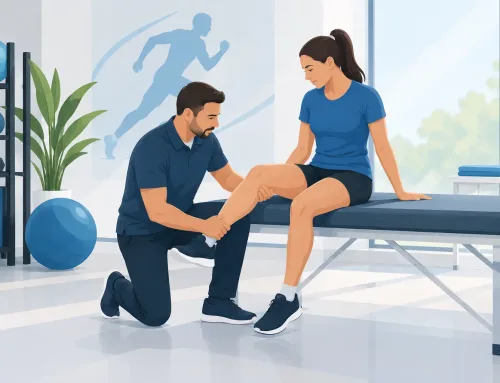
The Perrin Technique is a specialised form of gentle manual therapy developed for people with ME/CFS and related symptom patterns. It uses light, targeted massage and mobilisation around the neck, shoulders, back, chest and head. Treatment is based on the theory that impaired lymphatic drainage around the brain and spinal cord may contribute to symptoms in some people with ME/CFS.
Practitioners may look for physical signs including tenderness in particular areas of the upper body, changes in tissue texture and postural restriction. They then use a planned sequence of gentle techniques intended to encourage lymphatic movement and reduce congestion in surrounding soft tissues.
This theory is not yet established as a proven explanation for ME/CFS, fibromyalgia or Long Covid. Research into the technique remains limited, and results should be interpreted with care. However, some clients seek it because it offers individualised, hands-on support where conventional care has not fully addressed their day-to-day symptom burden.
Perrin Technique developments in clinical practice
The biggest development is not a single new manoeuvre. It is a more thoughtful approach to who may benefit, how treatment is paced and how the technique fits within wider care.
Earlier discussions of the Perrin Technique focused principally on ME/CFS. It is now more frequently considered as complementary support for people with fibromyalgia and Long Covid, particularly where fatigue, muscular pain, headaches, poor sleep, concentration difficulties and a sense of physical heaviness are present. These conditions are not identical, so a responsible treatment plan should never assume that the same protocol will suit every person.
There is also greater awareness of post-exertional symptom worsening. For a person with ME/CFS or Long Covid, even a gentle appointment can be tiring if it is too long, too frequent or introduced at the wrong stage of recovery. Modern practice therefore places more emphasis on shorter sessions where appropriate, close feedback and allowing sufficient recovery time between appointments.
More personalised assessment
A high-quality Perrin assessment considers more than a list of symptoms. It should include your diagnosis, medical investigations, medications, sleep, activity tolerance, pain levels, stress load and previous response to hands-on therapy. Your practitioner also needs to understand whether symptoms flare after physical, cognitive or emotional exertion.
This matters because fatigue has many possible causes. Anaemia, thyroid disorders, infection, inflammatory conditions, medication effects, sleep disorders and mental health concerns may all require medical investigation. A complementary therapist should be clear about the boundaries of their role and encourage GP or specialist input where needed.
The treatment itself may be adapted according to sensitivity. One client may tolerate focused work through the upper back and neck, while another may need a very light, brief session with careful positioning and minimal stimulation. Progress is not always linear. A flare does not automatically mean treatment has failed, but it does mean the plan needs reviewing.
Integration with other supportive therapies
Another important shift is the move away from treating one technique as the whole answer. People with chronic fatigue-related conditions often need support across several areas: pacing, sleep, pain, nutrition, emotional wellbeing, mobility and medical management.
Where appropriate, the Perrin Technique may sit alongside gentle lymphatic drainage massage, carefully selected acupuncture, cranial sacral therapy or relaxation-focused treatments. The right combination depends on the person, not on a fixed package. For example, somebody with marked muscle tension may benefit from a cautious focus on soft tissue restriction, whereas a person who is highly touch-sensitive may need a slower, less intensive approach.
At Willows Clinic, treatment planning is led by the client’s presentation and capacity on the day. The aim is to provide supportive care without adding another demand to an already overburdened system.
What people can realistically expect
The first goal of Perrin Technique treatment should be understanding your starting point, not promising rapid results. Some people report feeling lighter, less tense or more settled after a session. Others notice no immediate change, or may feel temporarily tired as their body adjusts. Neither response predicts the full outcome on its own.
When the treatment is helpful, changes may develop gradually. Clients may describe improved comfort around the neck and shoulders, better sleep quality, fewer headaches, reduced feelings of heaviness or a greater ability to manage daily routines. These are individual experiences rather than guaranteed outcomes.
A practitioner should agree clear, practical measures with you from the outset. That could mean tracking sleep, pain, headaches, energy after activity, concentration or how long it takes to recover after ordinary tasks. Measurable markers make it easier to decide whether treatment is worthwhile and whether the schedule needs changing.
Be cautious of claims that any therapy can detox the body, cure ME/CFS or reverse Long Covid. Complex chronic conditions require honest language. The most useful care is care that listens, adapts and remains connected to appropriate medical advice.
When a different approach is needed
The Perrin Technique is not suitable as a stand-alone response to new or unexplained severe symptoms. Chest pain, significant breathlessness, fainting, one-sided weakness, sudden neurological changes, high fever, unexplained weight loss or rapidly worsening symptoms require prompt medical assessment.
It may also need to be postponed or modified following recent surgery, during an acute infection, with certain vascular conditions or where there is a medical reason to avoid manual therapy. Pregnancy, cancer treatment and complex spinal conditions do not necessarily rule out complementary care, but they do require informed, appropriately qualified practitioner judgement.
For people with severe ME/CFS, the central consideration is often energy conservation. Travelling to appointments, remaining upright and receiving hands-on treatment can all be substantial exertions. In this situation, treatment should be considered only if the likely benefit outweighs the effort involved, and the plan should be exceptionally gentle.
Choosing a practitioner for Perrin Technique support
Specialist training matters because these conditions can be medically and emotionally demanding. Look for a practitioner who can explain the purpose and limits of the technique in plain language, take a thorough health history and adapt treatment when symptoms change.
You should feel able to say if touch is uncomfortable, if an appointment has left you depleted or if your priorities have shifted. Good therapeutic care is collaborative. It does not ask you to push through a worsening of symptoms in pursuit of a promised result.
Before booking, it is reasonable to ask how the practitioner approaches Long Covid or post-exertional symptom worsening, what an initial consultation involves and how progress will be reviewed. Clear answers are a sign that your care is being taken seriously.
For many people, the most meaningful development in the Perrin Technique is this more measured, person-centred use of it. When hands-on therapy is gentle, well assessed and combined with realistic expectations, it can become one supportive part of a wider plan to protect energy, reduce discomfort and make daily life feel more manageable.