Inflammation can be helpful when it is short-lived: it is part of the body’s response to injury, infection and tissue repair. The difficulty comes when pain, swelling, stiffness, digestive discomfort or fatigue persist. Natural therapies for inflammation can form a supportive part of care, helping to ease physical tension, improve circulation and support recovery, while recognising that ongoing or severe symptoms always deserve proper medical assessment.
At Willows Clinic, treatment is not approached as a generic wellness appointment. The most useful therapy depends on where symptoms are showing up, how long they have been present, your medical history and the wider pressures on your body, from poor sleep and stress to an old injury or a long-term condition.
Understanding inflammation before treating it
Inflammation is not a diagnosis in itself. It is a biological process that can be acute, such as a swollen ankle after a fall, or persistent, as seen alongside some autoimmune conditions, chronic pain presentations, digestive disorders and post-viral illness. It may also contribute to feelings of heaviness, restricted movement, sensitivity, low energy and slower recovery.
That distinction matters. A hands-on therapy may help a person with muscular tightness and reduced movement after training, but it is not a replacement for medical treatment for inflammatory arthritis, infection or inflammatory bowel disease. Complementary therapies work best when they are selected carefully and used alongside appropriate clinical care.
A qualified practitioner should ask about your symptoms, medications, previous diagnoses and current medical support before beginning treatment. This allows the session to be adapted safely, or postponed where necessary.
Which natural therapies for inflammation may support recovery?
There is no single treatment that suits every cause of inflammation. However, several practitioner-led therapies may support comfort, mobility and wellbeing when used as part of an individual plan.
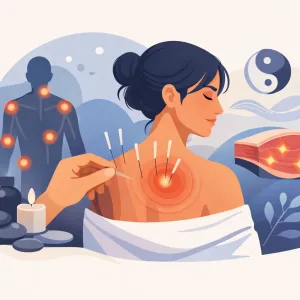
Acupuncture for pain, tension and recovery
Acupuncture is often chosen by people experiencing persistent muscular pain, sports-related strain, headaches, stress-related tension or difficulty relaxing. Fine needles are placed at selected points after a detailed consultation. Many clients find the treatment calming, while others seek it for support with pain management and physical recovery.
Its role will depend on the condition. For someone with a tight shoulder and poor sleep, acupuncture may be used to help reduce muscular guarding and encourage relaxation. For a person managing a diagnosed inflammatory condition, it may be considered as supportive care alongside their GP or specialist-led plan. It should never be presented as a cure for autoimmune disease or an alternative to prescribed medication.
Lymphatic drainage massage for swelling and heaviness
Manual lymphatic drainage is a gentle, rhythmical treatment designed to support lymph flow. It may be particularly relevant where a person experiences a feeling of puffiness, heaviness, fluid retention or sluggish recovery, provided there is no medical reason to avoid treatment.
The lymphatic system plays an essential part in fluid balance and immune function. Gentle drainage massage does not “flush toxins” from the body, but it can be a valuable hands-on therapy for suitable clients who want support with comfort, relaxation and temporary swelling. It can also be a considered addition to a recovery-focused plan when approved by the relevant medical team.
Because unexplained swelling can have serious causes, new one-sided swelling, sudden pain, breathlessness or swelling after surgery should be assessed medically before booking a massage.
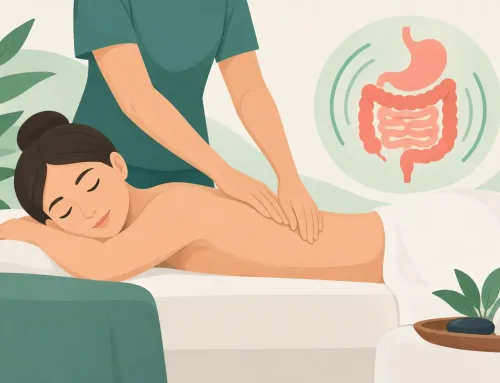
Therapeutic massage and soft-tissue work
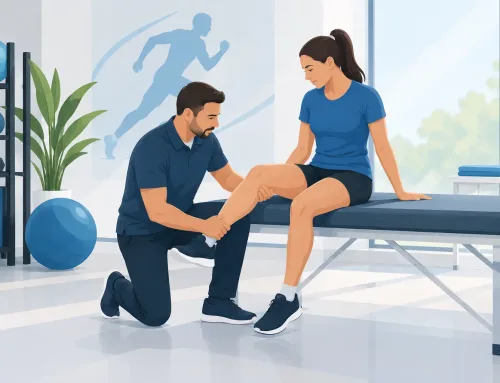
When inflammation is linked with overuse, restricted movement or an injury, surrounding muscles often become tense and protective. This can create a frustrating cycle: pain changes the way you move, altered movement creates further strain, and normal activity becomes harder.
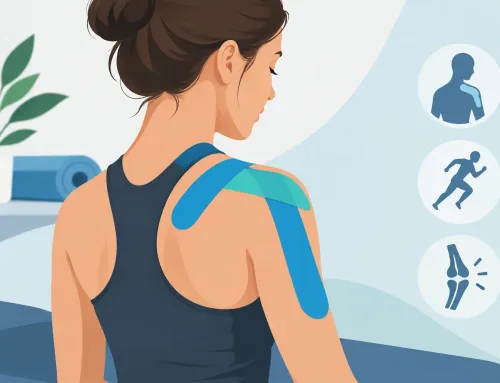
Therapeutic massage, sports injury support and targeted soft-tissue techniques can help address this mechanical element. Pressure should be adapted to the stage of recovery. Deep work is not automatically better, particularly after a fresh injury or during an active flare-up, when gentler treatment may be more appropriate.
A practitioner may focus on improving tissue mobility, easing compensatory tension and supporting a gradual return to movement. The aim is practical: helping you move with greater comfort, rather than forcing painful tissue to release.
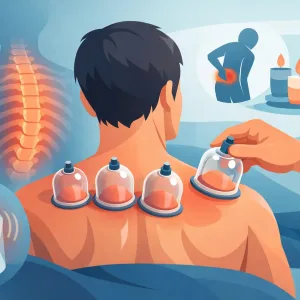
Cupping therapy for muscular restriction
Cupping uses suction to lift the skin and superficial tissues. Some clients find it helpful for areas of persistent muscular tightness, particularly around the back, shoulders, hips or legs. It can leave temporary circular marks, which are not bruises in the usual sense but can be noticeable for several days.
This therapy is not suitable for every person or every stage of recovery. It should be avoided over broken skin, areas of acute inflammation, some vascular concerns and where there is a bleeding risk. A thorough consultation is essential, especially if you take blood-thinning medication or have a complex health history.
Reflexology and Reiki for stress-related symptom load
Stress does not cause every inflammatory condition, but ongoing stress can affect sleep, muscle tension, pain sensitivity, digestion and the ability to recover. For people living with chronic symptoms, that burden is real and often overlooked.
Reflexology and Reiki offer a quieter form of support. They are not treatments for inflammation itself, but they may help clients feel calmer, more settled and better able to rest. This can be especially useful when discomfort is compounded by fertility stress, chronic fatigue, digestive symptoms or the emotional strain of a lengthy recovery.
The benefit here is not about making dramatic claims. It is about creating space for the nervous system to settle, which may improve a person’s overall sense of wellbeing and ability to engage with the rest of their care plan.
The foundations that make hands-on therapy more effective
Treatment appointments can be valuable, but they work best when they are supported by manageable daily habits. The right changes vary from person to person, and extreme protocols are rarely necessary or sustainable.
A regular pattern of gentle movement is often more useful than occasional intense exercise. Walking, mobility work, swimming or a practitioner-approved rehabilitation programme can help maintain joint range and circulation without overwhelming an already sensitive system. If activity consistently worsens symptoms for days afterwards, the pace may need to be adjusted rather than pushed through.
Food also deserves a measured approach. A varied diet built around vegetables, fruit, fibre-rich carbohydrates, protein, healthy fats and adequate hydration supports general health. Some people identify particular food triggers, especially with digestive symptoms, but broad elimination diets should be approached carefully. Restrictive eating can create nutritional gaps and unnecessary stress, so persistent digestive issues should be discussed with a GP, dietitian or relevant specialist.
Sleep is another powerful but often difficult factor. Pain and inflammation can disrupt sleep, while poor sleep can make pain feel more intense. A consistent bedtime, a wind-down routine and realistic pacing during the day may sound simple, but they can make a meaningful difference when practised consistently.
When natural treatment is not enough on its own
Complementary care should sit within a sensible safety framework. Seek urgent medical advice for symptoms such as:
- sudden, severe or rapidly worsening pain or swelling;
- a hot, red, swollen joint with fever or feeling unwell;
- chest pain, shortness of breath or coughing up blood;
- unexplained weight loss, persistent fever, blood in stools or severe abdominal pain.
You should also speak with your GP before starting a new therapy if you are pregnant, have cancer, diabetes with reduced sensation, a bleeding disorder, a history of blood clots, significant cardiovascular disease or are taking anticoagulant medication. This is not a barrier to care. It is how treatment remains responsible, well planned and appropriate to you.
For people living with ME, CFS, fibromyalgia or Long Covid, pacing and individual response are particularly important. A treatment that feels restorative for one person may be too stimulating for another. Sessions should be carefully tailored, with attention paid to post-exertional symptom worsening, sensitivity to touch, energy levels and recovery time.
A personalised plan gives treatment a purpose
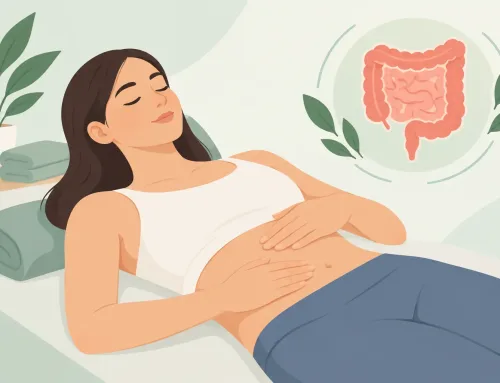
The best natural approach is rarely a menu of unrelated therapies. It is a plan with a clear therapeutic purpose. A client recovering from a sports injury may benefit from a combination of gentle soft-tissue work, appropriate movement advice and staged treatment as healing progresses. Someone managing stress, poor sleep and digestive discomfort may respond better to a calmer combination of abdominal massage, reflexology and lifestyle support.
Progress should also be judged realistically. Improvement may mean sleeping more comfortably, walking further, feeling less restricted, recovering more steadily after activity or having fewer days dominated by symptoms. These are meaningful outcomes, even where a long-term diagnosis remains part of life.
If inflammation is affecting your daily comfort or limiting what you can do, begin with a proper consultation rather than trying to self-prescribe a treatment. A skilled practitioner can help you choose supportive care that respects your symptoms, your medical needs and the pace at which your body is ready to recover.