A person may feel they are finally recovering from Covid, only to find that a short walk, busy afternoon or poor night’s sleep brings the exhaustion, brain fog and aching back again. This long covid recovery example reflects a common pattern we see in practice: symptoms may fluctuate, recovery is rarely linear, and a carefully paced plan can feel more manageable than trying to push through.
The example below is a composite illustration rather than a guarantee of results. Long Covid affects people differently, and complementary therapies should sit alongside appropriate medical assessment and advice, not replace it. For many people, however, hands-on support, pacing and a plan tailored to their symptom pattern can offer a more structured route back towards daily life.
Long Covid recovery example: when fatigue affects everything
Sarah, aged 42, had a relatively mild acute Covid infection. She expected to be back to normal within a few weeks, but three months later she was still waking unrefreshed. Her legs felt heavy, concentration at work was difficult, and she developed headaches and neck discomfort after even ordinary tasks such as food shopping or collecting her child from school.
Her main frustration was unpredictability. On a better day, she would try to catch up on work, housework and social plans. The following day, she could be so depleted that she needed to lie down for long periods. She had spoken with her GP and had medical checks to rule out other causes of her symptoms, but wanted additional support for the physical discomfort, persistent fatigue and loss of routine.
At the first appointment, the focus was not on promising a quick fix. It was on understanding her current capacity, the activities that triggered a setback, her sleep, stress levels, circulation, digestion and the physical areas where she held tension. This matters because two people with the same Long Covid diagnosis may need very different approaches.
Beginning with safety and a clear baseline
A responsible recovery plan starts with proper medical oversight. New chest pain, marked breathlessness, fainting, a racing or irregular heartbeat, one-sided weakness, severe headache or a sudden deterioration require urgent medical attention. Anyone with persistent or changing symptoms should remain in contact with their GP or relevant hospital team.
For Sarah, the immediate goal was to establish a baseline: what could she do on a typical day without triggering a significant increase in symptoms afterwards? Rather than measuring success by how much she could force herself to achieve, we looked at whether her days were becoming more stable.
She kept a simple record for two weeks. It included sleep quality, energy, symptoms, activity, rest and any delayed response the following day. This revealed a pattern. Her fatigue was most severe after combining mental concentration with physical activity, particularly if she had skipped regular meals or tried to work through a poor night’s sleep.
This information helped shape a realistic plan. It also reduced self-blame. Post-viral fatigue is not a lack of willpower, and pushing past the body’s warning signs can be counterproductive for some people. The right level of activity depends on the individual and may need regular adjustment.
A tailored complementary care plan
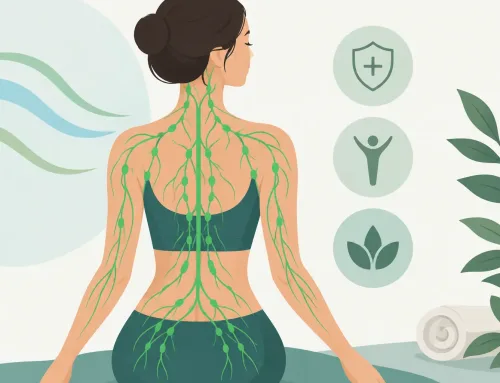
Sarah’s plan combined gentle hands-on therapy with practical pacing. As she had persistent upper back, neck and head discomfort, her practitioner considered whether the Perrin Technique could be appropriate as part of her complementary care. This specialist manual approach is used to support lymphatic drainage and address areas of congestion and muscular tension often associated with ME, CFS, fibromyalgia and Long Covid.
Treatment was gentle. Aggressive massage, demanding exercise or any approach that left her significantly worse would not have been suitable. Sessions included careful assessment of how she responded, with techniques adapted according to her energy and symptom level on the day.
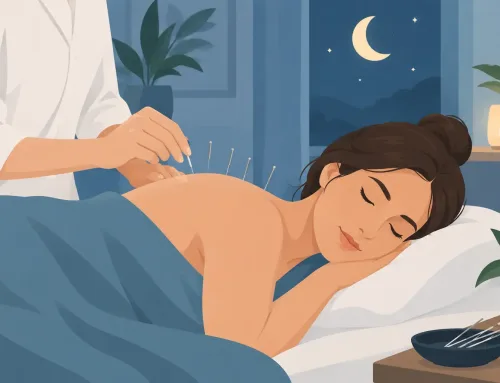
Alongside this, light lymphatic drainage massage was considered to support relaxation, comfort and circulation. The aim was not to claim that massage cures Long Covid. It was to help Sarah feel less physically tense and more settled while her wider recovery was monitored. For some clients, acupuncture, reflexology or gentle cranial sacral work may also be considered where appropriate, but the choice should always follow assessment rather than a fixed package.
Between appointments, Sarah was encouraged to make several small changes. She divided tasks into shorter blocks, built in genuine rest before she felt exhausted, and avoided treating a better day as permission to do everything at once. She planned demanding activities around her most reliable time of day and chose one priority at a time.
She also used straightforward supportive measures: regular fluids and meals, a consistent wind-down routine before bed, and calm breathing during moments of overwhelm. These steps are simple, but they can be valuable when symptoms have made ordinary routines feel difficult. If a practitioner recommends movement, it should be carefully paced and appropriate to the individual, particularly where post-exertional symptom worsening is present.
What progress looked like in this case
After several weeks, Sarah did not describe a dramatic overnight change. Her first signs of progress were more modest and more useful: fewer days spent completely wiped out, less neck tension after computer work, and a clearer sense of when to stop before a flare-up developed.
Over time, she was able to work in shorter, more focused periods and take brief walks without automatically adding extra errands. She still had fluctuations, especially after a family event or an interrupted night’s sleep. But the recovery plan gave her a way to respond without panic or over-correcting.
This is an important distinction. Recovery may mean fewer symptoms for one person, while for another it means better symptom control, more dependable energy or being able to take part in family and work life with less fear of a crash. Setting goals around function and stability can be more meaningful than comparing your progress with someone else’s.
Why an integrated approach can help
Long Covid can affect energy, sleep, concentration, mood, pain levels, breathing comfort and digestive function. It is therefore rarely helpful to view the body as a collection of separate symptoms. A practitioner-led complementary plan considers how these areas interact while recognising the limits of therapy and the need for medical input.
For example, poor sleep may intensify pain sensitivity and fatigue. Physical discomfort can make it harder to rest. Anxiety about symptoms may lead someone to over-monitor every sensation or, at the other extreme, to ignore warning signs and overdo it. Gentle treatment and consistent support can create space to notice these patterns and make more workable choices.
It is equally important to be honest about trade-offs. Regular appointments may be helpful for some people, while others need longer gaps to avoid overcommitting their time and energy. A treatment that feels restorative for one client may be too much for another during a flare. The plan should change as symptoms change.
When to seek specialist support
If Long Covid symptoms are affecting your ability to work, care for family, sleep or complete normal daily activities, it is reasonable to ask for support. Begin with medical assessment, especially if symptoms are new, severe or worsening. Complementary therapy can then be explored as part of a wider, individualised plan.
At Willows Clinic, treatment begins with listening carefully to your symptoms, history and goals. Where appropriate, specialist hands-on approaches such as the Perrin Technique can be combined with a paced, supportive plan designed around your current capacity. The priority is safe, thoughtful care rather than a one-size-fits-all promise.
A gradual recovery can test patience, particularly when progress comes in small increments. Yet those increments matter. A steadier morning, a shorter recovery after activity or the confidence to plan a manageable week can be meaningful signs that you are learning what your body needs and responding to it with care.