A tight calf after a long run, a shoulder that will not settle after lifting, or recurring stiffness around an old injury can make choosing treatment feel unnecessarily difficult. When considering cupping vs sports massage, the best option is rarely about which therapy is ‘stronger’. It is about what your tissues need at that stage of recovery, how your body responds to treatment, and whether there are underlying movement or injury factors to address.
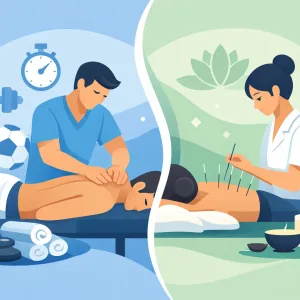
Both treatments can support active people, from committed athletes to those returning to exercise after a period of pain or reduced mobility. They work differently, however. Cupping uses suction to lift and decompress soft tissue, while sports massage uses skilled hands-on techniques to assess and treat muscle tension, fascial restriction and recovery needs.
Cupping vs sports massage: the key difference
Sports massage is a targeted manual therapy. A therapist works directly through the skin and soft tissues using pressure, stretching, friction and other techniques appropriate to the area being treated. Treatment may focus on overloaded muscles, restricted movement, scar tissue, postural strain or recovery after training. It is often adjusted as the therapist feels changes in tissue quality and identifies tender or restricted areas.
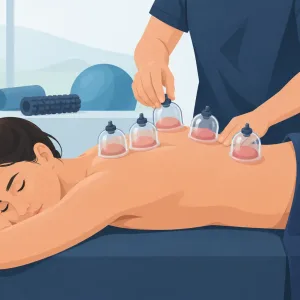
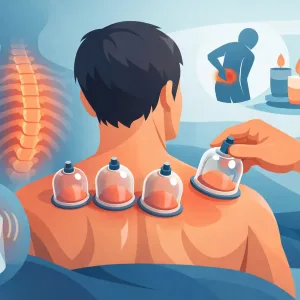
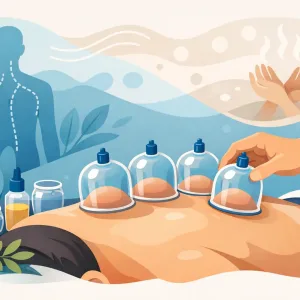
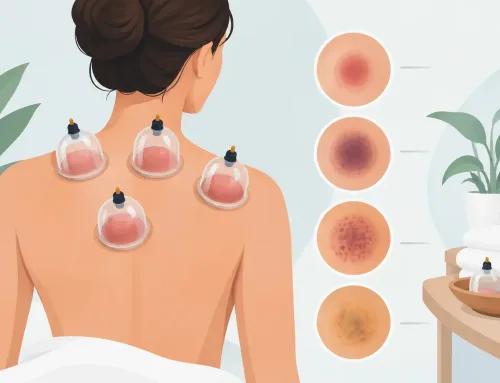
Cupping therapy usually involves placing smooth cups on the skin to create a gentle to firm vacuum. The suction draws the skin and superficial tissues upwards rather than compressing them downwards. Cups may be left in place for a short period or moved across the body with oil, depending on the treatment aim and the client’s comfort.
This difference matters. A sore, guarded muscle may respond well to the broad lifting sensation of cupping, particularly where direct pressure feels uncomfortable. A specific muscular problem, such as a tight calf complex, reduced hip movement or tension through the upper back, may benefit more from the detailed assessment and precision of sports massage. In many cases, a combination is appropriate.
What sports massage can help with
Sports massage is not only for elite sport. It can be useful for anyone whose work, training, hobbies or daily posture place repeated demand on the body. A therapist can tailor pressure and technique around the person in front of them, rather than applying the same routine at every appointment.
For recovery, sports massage may help reduce the feeling of muscular tightness, improve comfort through movement and support relaxation after demanding activity. It can be particularly valuable when an area feels stiff or overworked, or when compensations have begun to develop. For example, recurring hamstring tightness may relate not only to the hamstring itself, but also to hip mobility, gluteal function, training load or how the lower back is moving.
A well-delivered treatment should not be an endurance test. Deep pressure is not automatically better, and bruising or significant pain is not proof of an effective massage. The right level of pressure depends on the tissue, the person’s sensitivity and whether they are preparing for activity, recovering from it or managing a persistent problem.
What cupping therapy can help with
Cupping is often chosen when clients want a different approach to areas that feel congested, restricted or difficult to release with compression alone. The lifting effect can create a strong but usually tolerable pulling sensation. Some people find it particularly helpful across the upper back, shoulders, hips, thighs and calves.
During a cupping session, the therapist considers the location of discomfort alongside movement, activity levels and any relevant health history. Static cups may be useful for a focused area, while moving cups can be used to treat a broader region. The experience should be controlled and adjusted throughout, not simply left to produce the strongest possible marks.
Circular marks can occur after cupping. These are not bruises in the usual sense and are generally painless, but they can look dramatic and may remain visible for several days or, occasionally, longer. They are a practical consideration before a holiday, a special occasion or any situation where exposed skin may feel uncomfortable. Marking is not the goal of treatment, and darker marks do not mean better results.
Which treatment is better for muscle recovery?
There is no universal winner in cupping vs sports massage. If your main concern is a clearly defined muscular issue, sports massage may offer the most direct route because the therapist can work with greater specificity and reassess the area as they go. It can also be combined with advice on pacing, stretching, strengthening or changes to training that may reduce the chance of the problem returning.
Cupping may be a good choice where muscles feel broadly restricted, where direct pressure is not well tolerated, or where a client has enjoyed its effects as part of their established recovery routine. Some people prefer the sensation of decompression and find it helps them feel freer through the shoulders, back or legs after prolonged training or desk-based work.
The timing of treatment is also relevant. A lighter, recovery-focused session may be appropriate after an event or during a heavy training block. Very deep work immediately before a race, match or demanding gym session is less likely to be helpful, particularly if it leaves the area tender. A qualified therapist will adapt treatment to your schedule rather than working to a fixed formula.
When combining cupping and sports massage makes sense
Used together, cupping and sports massage can offer a balanced treatment approach. Cupping may be used first to gently prepare an area that is sensitive or restricted, followed by massage to address particular muscles and movement patterns. Alternatively, a massage session may identify a broad area of fascial tension where a small amount of cupping could complement hands-on work.
Combination treatment should have a clear purpose. It is not about adding techniques for the sake of it. For a runner with persistent calf tightness, for instance, the session may include assessment of the lower leg, hip and foot mechanics, targeted massage to the calf and surrounding tissues, and cups where they are likely to improve comfort or tissue glide. The plan should reflect the person’s goals, training demands and recovery capacity.
At Willows Clinic, treatment is tailored around the cause and pattern of your symptoms, not simply the body part that hurts. This is especially important when discomfort keeps returning despite rest, stretching or occasional massage.
When to avoid or postpone treatment
Neither therapy is suitable for every situation. Cupping should not be applied over broken, irritated or infected skin, and treatment may need to be postponed if you are unwell with a fever or acute infection. Sports massage and cupping also require additional care where there is a recent acute injury, unexplained swelling, suspected blood clot, significant varicose veins, reduced sensation, bleeding disorders or use of blood-thinning medication.
Pregnancy, cancer treatment, diabetes, inflammatory conditions and recent surgery do not necessarily rule out complementary therapy, but they do require informed assessment and appropriate adaptation. Always tell your therapist about injuries, diagnoses, medication and any changes in your health. If pain is severe, follows a significant trauma, comes with numbness or weakness, or is accompanied by heat and swelling, medical assessment should come before hands-on treatment.
Choosing the right appointment
Start with the outcome you want: less discomfort during movement, better recovery between sessions, improved flexibility, or help managing a recurring issue. Then consider what has and has not worked before. If you have never had either treatment, an initial consultation allows the therapist to assess the area and recommend the most suitable approach rather than asking you to guess.
The most useful treatment is one that fits your body, your health history and your wider recovery plan. Whether that involves cupping, sports massage or a carefully chosen combination, you should leave with a clearer understanding of what is contributing to your symptoms and what to do next.